Selecting the correct container ensures healthy root development and prevents moisture retention issues. Proper sizing protects your succulent from common cultivation failures.
Key Takeaway:
Choose a container that is only one to two inches wider than the current root ball. Oversized pots retain excessive moisture that causes fatal root rot in aloe plants.
Quick-Reference Guide
| Factor / Scenario | Recommended Target | Why It Matters |
|---|---|---|
| Current Root Ball | 1-2 inches wider | Allows moderate expansion |
| Pot Depth | Equal to root spread | Accommodates taproot growth |
| Drainage Holes | At least one large | Prevents standing water |
| Material Choice | Unglazed terracotta | Promotes rapid soil drying |
| Repotting Interval | Every 2 to 3 years | Refreshes depleted nutrients |
| Soil Mix | Cactus and succulent blend | Ensures sharp drainage |
Determining Ideal Dimensions for Your Aloe
Aloe plants thrive when root systems experience slight restriction inside their containers. Selecting a pot that is too large traps excessive moisture around sensitive tissues.
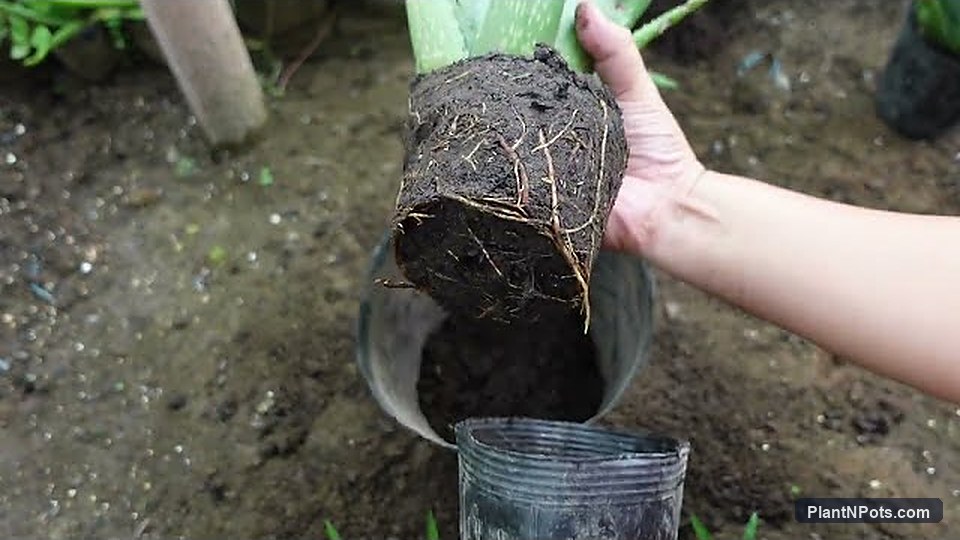
Measure the widest diameter of the existing canopy before choosing a replacement vessel. Your new container should exceed the old root ball by precisely one to two inches.
Miniature aloe varieties require shallow bowls measuring four to six inches across. Standard mature specimens typically demand containers sized between eight and ten inches in diameter.
Depth is equally critical because aloes develop substantial vertical root systems. Ensure the selected planter matches or slightly exceeds the total depth of the existing root structure.
- Match container diameter to the current root spread.
- Avoid scaling up more than two inches at once.
- Account for future growth without overwhelming the plant.
- Measure both width and depth prior to purchasing.
Assessing Young Versus Mature Specimens
Immature pups and young rosettes need modest containers to prevent soil saturation. Moving a small cutting into a massive pot almost always results in fungal decay.
Mature specimens with heavy foliage require stable, weighted planters to prevent tipping. Heavy ceramic or stone vessels provide the necessary physical ballast for top-heavy plants.
- Keep offsets in four-inch starter containers.
- Use heavy pots for large, mature rosettes.
Evaluating Container Materials and Porosity
Material selection dictates how rapidly moisture evaporates from the potting medium. Porous materials like unglazed terracotta allow air exchange, which protects drought-tolerant roots from lingering dampness.
Plastic and fiberglass containers retain moisture significantly longer than traditional clay vessels. Gardeners must adjust their watering frequency downward when using non-porous synthetic pots.
Glazed ceramic pots offer decorative appeal while reducing evaporation rates compared to terracotta. Ensure these sealed vessels feature generous drainage provisions to offset their moisture-retentive nature.
Metal and untreated wooden containers present unique chemical and decay hazards for succulents. Stick to inert, breathable materials that support the natural arid habitat of aloe species.
- Prioritize unglazed terracotta for maximum breathability.
- Monitor soil drying speeds in plastic planters.
- Avoid metal buckets that leach harmful minerals.
- Inspect glazed ceramics for adequate interior sealing.
Comparing Terracotta Versus Plastic Performance
Terracotta draws moisture outward through microscopic pores, creating a rapid drying cycle. This mimics the natural desert conditions that aloe plants require for sustained vitality.
Plastic containers trap water near the perimeter, creating stagnant zones. Growers cultivating in plastic must use exceptionally gritty soil mixes to compensate for reduced airflow.
- Terracotta forgives minor overwatering errors easily.
- Plastic retains heat and moisture during summer.
Video Walkthrough: Aloe Vera Care Guide! 🌿🌵// Garden Answer
Understanding Drainage Requirements and Design
Proper drainage is essential for successful container gardening, especially when maintaining arid species. Choosing a suitable [aloe vera in clay pot](https://plantnpots.com/?p=4312) ensures optimal aeration and effectively prevents dangerous root rot.
Never place gravel or shards at the base of the container to improve drainage. Scientific testing proves this practice raises the perched water table closer to roots.
Match your container with a matching saucer to protect indoor surfaces from runoff. Always empty accumulated saucer water immediately after irrigation to prevent root rot induction.
Elevate outdoor containers on pot feet to ensure unobstructed airflow beneath the drainage hole. Blocked apertures trap moisture and invite soil-borne pathogens into the container base.
- Verify drainage hole presence before purchasing vessels.
- Empty saucers promptly after every watering session.
- Avoid adding gravel layers inside the bottom.
- Use pot feet for improved outdoor air circulation.
Managing Saucers and Runoff Effectively
Standing water inside collection saucers re-saturates the potting mix through capillary action. This defeats the purpose of having drainage holes in your container setup.
Tilt containers gently after watering to expel any lingering droplets before returning them. Consistent vigilance prevents anaerobic conditions from developing around the root zone.
- Remove saucers during outdoor summer watering routines.
- Dry saucer interiors thoroughly after every irrigation.
Step-by-Step Repotting Procedure for Succulents
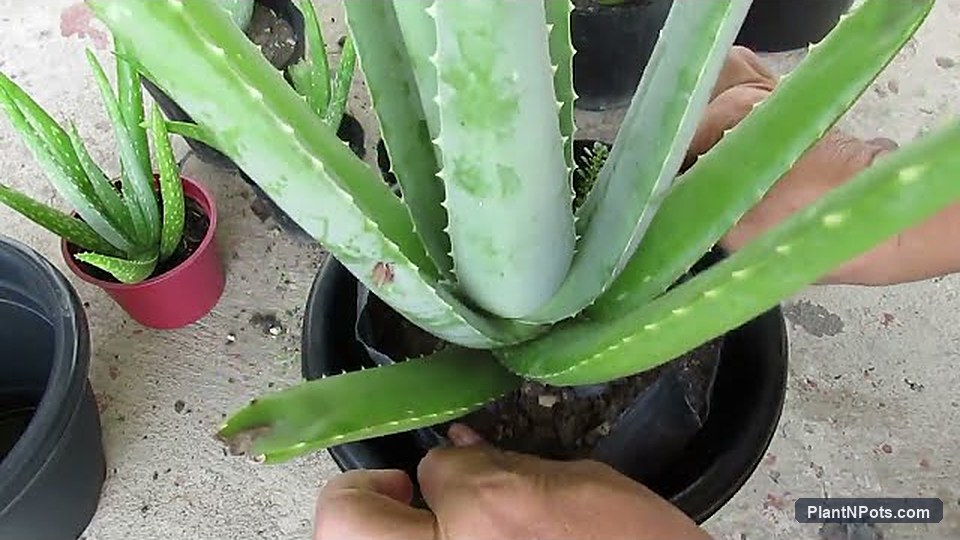
Spring marks the optimal seasonal window for transitioning aloe plants into new containers. Active growth phases allow damaged roots to heal rapidly following disturbance and pruning.
Gently loosen soil around the perimeter of the existing pot using a blunt tool. Tip the container sideways and slide the root ball out with extreme care.
Brush away exhausted old soil to inspect roots for signs of rot or pest damage. Trim away any black, mushy, or brittle roots using sterilized sharp pruning shears.
Position the plant centrally in the new container, adding fresh succulent mix incrementally. Select an [ideal pot for healthy roots](https://plantnpots.com/?p=2903) to ensure proper establishment and drainage.
- Repot during active spring growth periods.
- Sterilize all cutting tools before root pruning.
- Keep the crown level with the soil surface.
- Withhold water for one week post-transplant.
Selecting the Correct Potting Mix Formulation
Standard garden soil retains far too much moisture for arid succulent species. Formulate a custom blend using coarse sand, perlite, and standard potting soil in equal proportions.
Commercial cactus and succulent mixes provide the necessary rapid percolation rates. These specialized blends prevent moisture from lingering around delicate root hairs after irrigation.
- Incorporate perlite for structural air space.
- Avoid heavy peat-based commercial composts entirely.
Avoiding Common Sizing and Watering Mistakes
Selecting an overly massive container is the most frequent error made by growers. Excess soil volume stays damp for prolonged periods, suffocating sensitive root structures entirely.
Planting aloe too deeply beneath the soil line causes stem rot and collapse. Ensure the base of the lowest leaves remains completely exposed above the soil surface.
Ignoring the weight of the container leads to accidental tipping and structural damage. Balance top-heavy foliage by utilizing a heavyweight flower pot with watering system that anchors the plant securely.
Failing to account for future offset production results in cramped quarters prematurely. Allow slight extra lateral margin if your specific aloe variety produces numerous vigorous pups.
- Never jump up more than two pot sizes.
- Keep leaf crowns elevated above soil lines.
- Account for offset crowding in container selection.
- Balance tall plants with heavy base materials.
Recognizing Signs of Container Stress
Yellowing lower leaves often indicate chronic moisture retention inside an oversized pot. Roots drowning in stagnant soil fail to transport vital nutrients upward to foliage.
Stunted growth combined with soil pulling away from pot edges signals root binding. Inspect the drainage hole to see if roots are emerging from the bottom.
- Check for circling roots escaping drainage holes.
- Look for persistent dampness in deep soil layers.
Managing Offshoots and Propagation Space
Mature aloe plants naturally produce small offsets, commonly known as pups, around their base. These vigorous plantlets quickly crowd the parent container and demand careful spatial management.
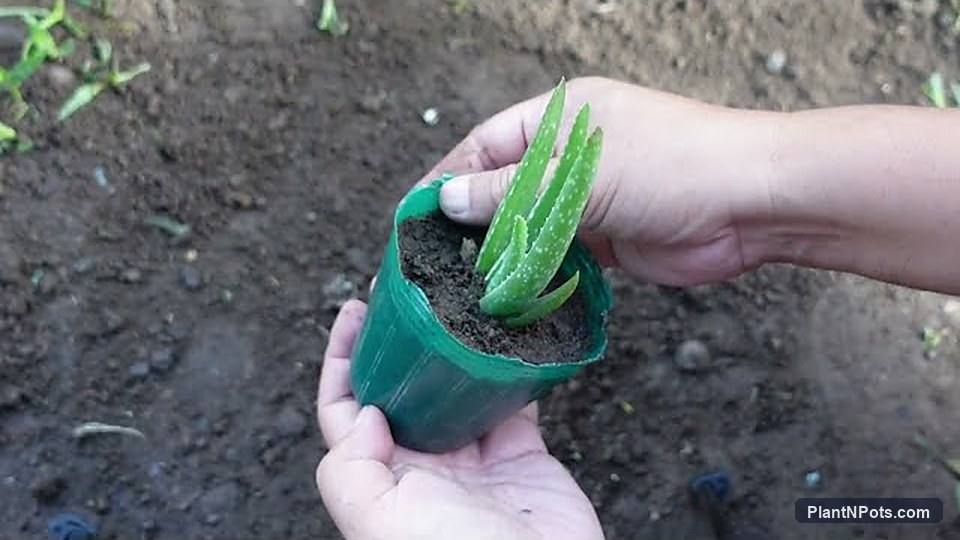
Divide crowded clusters during routine repotting sessions to give individual rosettes breathing room. Separate pups carefully with a clean knife, ensuring each division retains viable roots.
Pot newly separated offsets into individual four-inch containers to encourage independent root establishment. Allow cut surfaces to callous over for two days before introducing any moisture.
Leaving pups attached creates a dense, attractive specimen clump within a wider container. Select a shallow, wide bowl if you prefer maintaining a multi-stemmed colony arrangement.
- Separate pups during scheduled spring repotting routines.
- Allow cut offset bases to callous before planting.
- Use four-inch pots for individual propagating plantlets.
- Choose wide bowls for multi-stemmed specimen displays.
Cultivating Clump Arrangements Successfully
Multi-plant arrangements require wider diameters rather than deeper container dimensions. Select a bowl-style planter that allows several inches of lateral expansion for surrounding offsets.
Increase watering frequency slightly when housing multiple rosettes in a single shared container. Higher plant density exhausts available moisture and nutrients much faster than solitary specimens.
- Space rosettes evenly across wide container surfaces.
- Monitor nutrient levels closely in shared pots.
Long-Term Maintenance and Root Health
Established container-grown aloes require root inspection every two to three years. Refreshing depleted potting media restores vital mineral content and improves structural drainage capacity over time.
Salt crust accumulation from tap water irrigation can damage sensitive root tips. Flush containers thoroughly with distilled water annually to leach out harmful mineral deposits effectively.
Inspect container walls and drainage holes seasonally for hidden pests and fungal growth. Clean exterior surfaces with mild soap to maintain optimal breathability in terracotta vessels.
Protect outdoor containers from freezing winter temperatures that crack ceramic and terracotta pots. Bring sensitive specimens indoors or transfer them to frost-proof composite alternatives safely.
- Refresh potting mix every two to three years.
- Flush mineral salts from soil annually.
- Scrub terracotta surfaces to maintain porosity.
- Protect porous vessels from freezing winter conditions.
Troubleshooting Root Bound Conditions
Root bound plants push themselves upward out of containers as roots fill all available space. Gently tip the plant out to examine whether roots form tight circular mats.
Tease severely entangled roots apart gently before placing the specimen into a larger pot. Prune away dead tissue to encourage vigorous new growth in the fresh medium.
- Tease tightly wound roots apart during repotting.
- Step up pot size by only two inches.
Frequently Asked Questions
How do I know when my aloe plant has outgrown its current pot?
You will notice thick roots emerging from the bottom drainage hole or tightly circling the interior soil surface. Top-heavy rosettes that tip over easily also signal that your succulent needs a slightly larger container for stability.
Can I plant my aloe directly into a decorative pot without drainage holes?
Planting directly into a sealed decorative pot almost always causes fatal root rot due to trapped irrigation moisture. Always use a nursery liner featuring adequate drainage holes inside any decorative outer containers.
What happens if I put a small aloe plant in a pot that is too big?
Excess soil volume retains moisture for far too long after watering, which suffocates delicate root systems. This prolonged dampness quickly leads to root rot and eventual structural collapse of the entire plant.
Should I use plastic or terracotta pots for growing aloe plants?
Unglazed terracotta is superior because its porous material allows rapid evaporation and prevents soggy soil conditions. Plastic pots retain moisture longer, requiring much stricter adherence to gritty soil mixes and careful watering schedules.
How often should I repot a mature indoor aloe plant?
Mature specimens typically require container upgrades every two to three years during active spring growth. Routine repotting refreshes depleted nutrients and accommodates natural expansion of the underground root ball.

