Selecting the correct container ensures robust root expansion, optimal moisture retention, and a bountiful harvest. This comprehensive guide details exact dimensions for every tomato variety.
Key Takeaway:
Indeterminate varieties require at least a 10 to 15-gallon container, while determinate bush types thrive comfortably in 5-gallon pots. Always prioritize depth and drainage holes over surface width.
Tomato Container Sizing Matrix
| Tomato Variety | Minimum Container Size | Key Sizing Rationale |
|---|---|---|
| Cherry Tomatoes | 5 Gallons | Compact root systems handle moderate restriction well. |
| Determinate Bush | 5 to 7 Gallons | Limited vertical growth requires balanced root space. |
| Indeterminate Vining | 10 to 15 Gallons | Massive root networks demand extensive soil volume. |
| Dwarf Patio Types | 3 to 5 Gallons | Miniature cultivars need minimal structural root support. |
| Seedlings & Transplants | 1 to 2 Quarts | Initial starter phase before final up-potting stages. |
| Micro-Tom Variants | 1 Gallon | Ultra-dwarf habits tolerate extremely tight root zones. |
Understanding Root Systems and Container Volume
Tomatoes develop extensive root systems that require adequate space to absorb nutrients and water efficiently. Undersized containers restrict growth, leading to nutrient deficiencies and premature plant decline during peak summer heatwaves.
Container volume directly dictates how much moisture and fertilizer the soil can retain between watering sessions. Larger pots provide a crucial buffer zone against rapid temperature swings and severe drought stress.
Roots naturally follow gravity and seek out available moisture along the bottom and sides of the pot. Selecting proper containers like the [best pots to grow tomatoes](https://plantnpots.com/?p=6620) prevents root circling and ensures robust growth.
Gardeners must evaluate both the mature width and the vertical height of the chosen tomato cultivar. Matching container capacity to plant vigor ensures sustained productivity throughout the entire growing season.
Tomato plants develop extensive root systems that require adequate space to absorb water and nutrients efficiently. Deep taproots and branching lateral networks demand well-calibrated container volumes for optimal growth.
Choosing a vessel that is too small restricts root expansion, leading to premature nutrient depletion and stunted foliage. Sufficient soil volume buffers against rapid moisture fluctuations during hot summer afternoons.
When roots circle the container interior tightly, the plant becomes rootbound, severely limiting water uptake. Proper pot sizing prevents this restriction, ensuring steady vegetative development and robust fruit production.
Gardeners must match container capacity to the specific cultivar type rather than guessing dimensions. Adequate growing space directly correlates with overall harvest yield and plant resilience against environmental stresses.
- Calculate root volume using standard gallon metrics rather than arbitrary diameter measurements.
- Ensure minimum container depth exceeds 12 inches for any standard tomato variety.
- Avoid tapered pots that trap roots at the narrow base.
- Prioritize straight sides to maximize usable growing medium capacity.
Biological Impact of Root Restriction
When roots run out of space, hormone signals trigger early fruit ripening and halt vegetative growth. This physiological response severely limits overall harvest potential and weakens plant resilience.
Maintaining optimal root freedom prevents premature senescence and allows continuous uptake of essential calcium. Consistent calcium availability is critical for preventing common disorders like blossom end rot.
- Monitor leaf coloration for early signs of nitrogen stress.
- Inspect drainage holes monthly for escaping roots.
Sizing Requirements for Determinate Cultivars
Determinate tomatoes grow to a predetermined height and set all their fruit within a short window. Because their overall mass is limited, they require smaller root zones than vining counterparts.
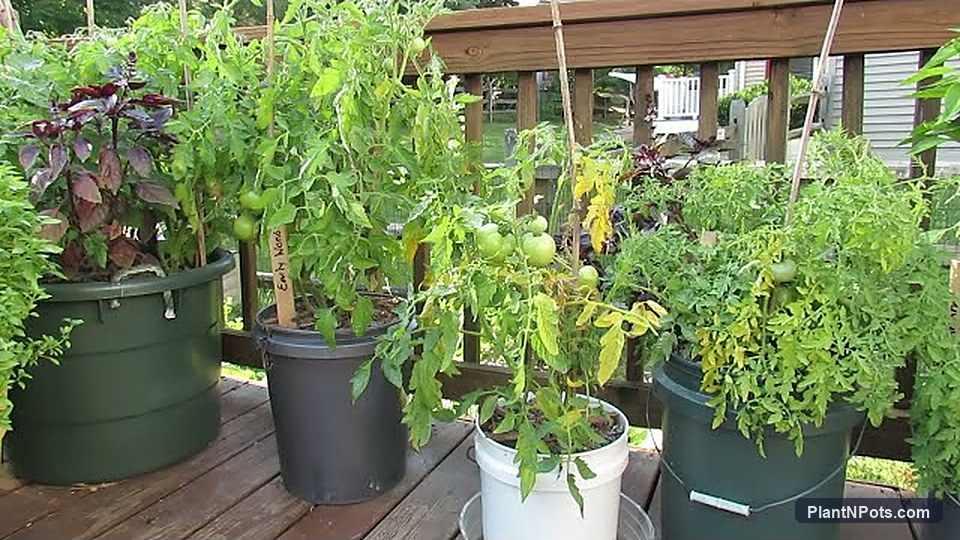
A standard 5-gallon bucket or equivalent planter provides ideal root space for most bush-type cultivars. These compact containers support heavy fruit loads without tipping over in moderate winds.
Ultra-dwarf patio varieties can thrive in slightly smaller vessels holding approximately 3 gallons of soil. However, smaller volumes demand much more frequent watering during hot summer afternoons.
Always verify that your chosen container features adequate drainage holes to prevent soggy root conditions. Standing water quickly induces root rot, which destroys determinate tomato crops rapidly.
Determinate tomatoes grow to a predetermined bush height, making them naturally suited for container cultivation. Utilizing sturdy [best five gallon nursery pots](https://plantnpots.com/?p=983) helps maintain consistent soil moisture to support compact root systems adequately.
Planting these bush types in vessels smaller than twelve inches in diameter causes frequent wilting episodes. Consistent soil moisture is much harder to maintain when root volumes are overly restricted.
Ensure your chosen pot features wide drainage holes to prevent the soggy conditions bush tomatoes despise. Proper drainage protects delicate root structures from suffocating and developing fatal fungal pathogens.
Patio-specific cultivars can sometimes thrive in slightly smaller three-gallon pots with diligent daily watering routines. Daily irrigation compensates for the limited nutrient storage capacity inherent in smaller containers.
- Select containers with at least a 12-inch diameter for bush tomatoes.
- Use lightweight potting mixes to keep portable containers easily movable.
- Add heavy stones at the base only if stability is compromised.
- Mulch the soil surface to minimize moisture evaporation rates.
Video Walkthrough: The Best Pot Size for Growing Tomatoes??? (Big or Small)
Managing Indeterminate Tomato Root Zones
Indeterminate tomatoes continue growing and producing fruit until frost kills the vine. Their vigorous nature demands massive soil volumes to sustain continuous nutrient and moisture uptake.
Growers should utilize pots holding 10 to 15 gallons of high-grade potting mix for these giants. Anything smaller will quickly exhaust available nutrients and stunt the vining stems.
Half-wine barrels or large fabric smart pots offer exceptional capacity for single indeterminate plants. These oversized vessels accommodate sprawling root systems while providing stability against heavy wind loads.
Feeding regimens must be adjusted upwards when growing massive indeterminate tomatoes in large containers. Regular applications of balanced organic fertilizer keep foliage green and fruit production steady.
Indeterminate tomatoes produce vines continuously until frost kills them, demanding massive subterranean support systems. Vining cultivars require a minimum ten-gallon container to sustain their aggressive and sprawling root networks.
Undersized pots cause these vigorous plants to exhaust available soil nutrients long before the harvesting season peaks. Frequent fertilization cannot fully compensate for a root system constrained by tiny vessels.
Upgrading to half-whisky barrels or large fabric grow bags provides the expansive volume vining tomatoes need. Large container volumes keep heavy canopies stable and supply continuous hydration during peak summer.
Pruning lower foliage helps balance massive top-heavy growth with available root zone capacity. Selecting the [best planter for fig tree](https://plantnpots.com/?p=5134) setups prevents structural stress, while strategic pruning reduces overall transpiration rates safely.
- Install sturdy tomato cages inside the pot before filling with soil.
- Provide a minimum soil depth of 16 inches for deep root runs.
- Water deeply until moisture flows freely from the bottom drainage ports.
- Prune lower suckers to improve air circulation around the base.
Material Selection and Thermal Regulation
Container material significantly influences soil temperature, moisture retention, and overall root health. Porous clay terracotta breathes well but dries out rapidly, requiring constant attention during dry spells.
Plastic pots retain moisture effectively but can overheat black surfaces in direct, intense sunlight. Fabric aeration containers promote air pruning of roots while naturally preventing destructive heat buildup.
Wooden containers offer excellent insulation against thermal fluctuations but eventually degrade due to constant moisture. Selecting durable, food-safe materials ensures your tomato plants thrive all season long.
Dark-colored plastic planters absorb excessive solar radiation, potentially cooking delicate feeder roots near the edge. Shielding containers with lighter exterior screens protects root zones from extreme heat.
Container material directly impacts root zone temperatures, which dictate nutrient absorption rates and overall plant health. Black plastic pots absorb intense solar radiation, potentially cooking tender feeder roots on hot days.
Breathable fabric containers promote natural root pruning while keeping the growing medium significantly cooler. Fabric grow bags allow optimal gas exchange, preventing the circling root patterns common in plastic.
Traditional terracotta pots offer excellent stability but dry out rapidly through porous clay walls. Unglazed terracotta requires much more frequent watering to keep heat-sensitive tomato roots consistently hydrated.
Selecting light-colored or reflective containers mitigates extreme thermal fluctuations during intense mid-summer heatwaves. Thermal regulation protects delicate root membranes, ensuring uninterrupted nutrient uptake throughout the season.
- Choose fabric pots for superior root aeration and thermal cooling.
- Avoid untreated pressure-treated wood that may leach harmful chemicals.
- Glazed ceramic pots retain moisture well in arid desert climates.
- Elevate heavy containers on pot feet to ensure unobstructed drainage.
Soil Composition and Moisture Dynamics
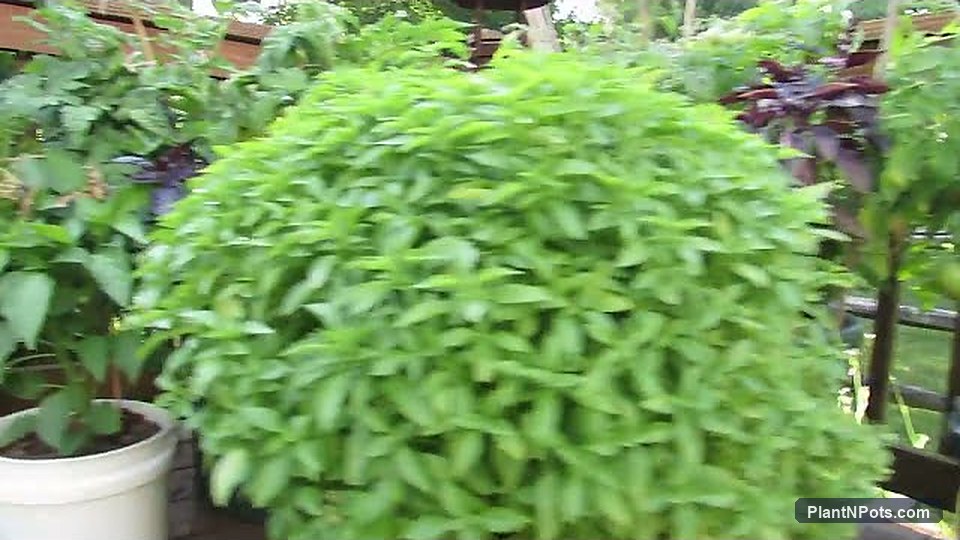
Container tomatoes require specialized, lightweight potting mixes rather than heavy garden topsoil. High-quality mixes incorporate peat moss, perlite, and compost to ensure proper aeration and moisture retention.
Compacted soil suffocates roots and impedes the movement of water through the container profile. Incorporating coarse perlite maintains structural integrity and prevents the growing medium from collapsing over time.
Moisture management is critical when growing tomatoes in confined spaces like patio pots. Consistent watering prevents physiological disorders like fruit splitting and blossom end rot caused by drought.
Adding organic compost provides a slow-release nutrient source that sustains plant growth during peak production. Mulching the top layer reduces surface evaporation and keeps soil temperatures remarkably stable.
Standard garden dirt packs down inside containers, suffocating roots and preventing proper water drainage. Soilless potting mixes provide the ideal balance of aeration, moisture retention, and structural integrity.
Incorporating organic compost enriches the medium with slow-release nutrients essential for heavy-feeding tomato plants. Nutrient-rich compost also improves the water-holding capacity of lightweight commercial potting substrates.
Perlite or vermiculite amendments prevent compaction, ensuring oxygen reaches deep subterranean root zones easily. Good aeration is vital for preventing root rot caused by stagnant, waterlogged potting mixes.
Monitor moisture levels daily by inserting your finger two inches into the growing medium. Consistent watering habits prevent blossom end rot and fruit cracking caused by erratic moisture delivery.
- Never use native garden soil directly inside potted tomato containers.
- Blend organic compost into the top layer every few weeks.
- Check soil moisture by inserting a finger two inches deep.
- Ensure the pH level remains between 6.0 and 6.8.
Structural Support and Weight Distribution
Large tomato plants laden with fruit become extremely top-heavy and prone to blowing over. Proper weight distribution at the container base prevents dangerous tipping incidents during severe storms.
Placing heavy bricks or stones at the bottom of large planters anchors the setup securely. However, ensure these items do not block or cover essential drainage hole locations.
Built-in tomato cages and stakes must be firmly anchored into the container soil matrix. Securing cages to the pot rim adds stability against strong lateral wind forces.
Positioning heavy containers near sheltered walls or corners shields vulnerable vines from gale-force winds. Careful placement protects both the plant structure and the integrity of the pot.
Large tomato plants laden with fruit become top-heavy, creating severe tipping hazards in small pots. Wide-base containers lower the center of gravity, keeping tall plants securely upright during windstorms.
Secure heavy tomato cages or stakes directly to the container frame rather than relying solely on soil. Sturdy support structures prevent leaning plants from pulling containers over as vines grow heavy.
Placing large pots on wheeled plant caddies makes repositioning heavy containers for optimal sunlight remarkably easy. Wheeled caddies also improve airflow beneath fabric bags, preventing patio surface moisture damage.
Distributing weight evenly across the pot prevents structural tipping during severe summer thunderstorms and gale-force winds. Proper weight distribution safeguards both your valuable harvest and surrounding patio architecture.
- Use sturdy steel tomato cages rather than flimsy wire versions.
- Tie main stems securely using soft garden twine or cloth strips.
- Check container balance before vines reach peak fruit load.
- Place large pots on wheeled caddies for effortless seasonal mobility.
Troubleshooting Rootbound Containers and Stunting
Rootbound tomato plants exhibit stunted growth, yellowing lower leaves, and exceptionally rapid drying cycles. Recognizing these symptoms early allows gardeners to intervene before permanent damage occurs to yields.
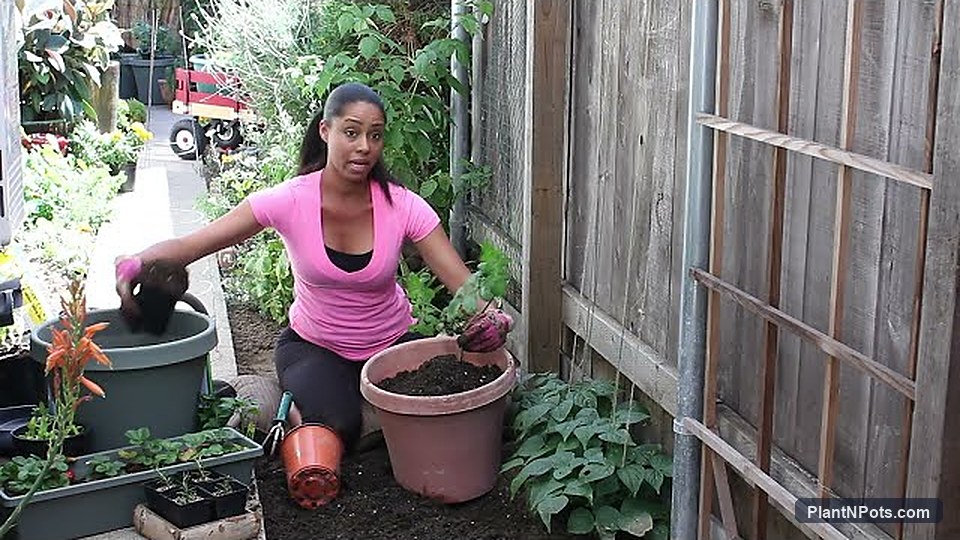
Gently sliding the root ball out of the container reveals dense, circling root masses. Teasing these roots apart encourages outward growth when transplanting into a larger, more accommodating vessel.
Severely rootbound plants cannot absorb water efficiently, regardless of how often you irrigate them. Up-potting into a larger container immediately revives lagging growth and restores normal plant vigor.
Prevent root binding by selecting appropriately sized containers from the very beginning of the season. Planning ahead eliminates the need for stressful mid-season transplanting operations during flowering.
Stunted growth, yellowing lower leaves, and water running straight through indicate a severely rootbound container. Rootbound plants exhaust soil nutrients rapidly and struggle to absorb adequate moisture when watered.
Gently slide the plant out of its vessel to inspect the root mass for tight circling patterns. Teasing circling roots apart encourages them to establish outward growth after repotting into larger containers.
If repotting mid-season is impossible, top-dress the surface with fresh compost and apply diluted organic fertilizer. Supplemental feeding temporarily sustains stressed plants until harvest concludes and new pots become available.
Prevent future stunting by selecting adequately sized vessels at planting time based on ultimate cultivar dimensions. Proper pot sizing eliminates chronic root restrictions, ensuring vigorous foliage and abundant fruit yields.
- Inspect root condition whenever growth mysteriously slows down.
- Use sharp shears to trim severely matted outer root layers.
- Water thoroughly immediately after shifting plants into bigger pots.
- Provide temporary shade while plants recover from transplant shock.
Frequently Asked Questions
Can I grow multiple tomato plants in a single large pot?
Growing multiple plants in one container drastically increases fierce competition for essential water and mineral nutrients. For optimal fruit yields, allocate at least a 10-gallon pot exclusively to a single indeterminate tomato plant to prevent severe stunting.
Crowding roots together also restricts proper airflow, creating damp microclimates that invite fungal diseases like powdery mildew and blight.
What happens if my tomato pot is too small?
Using an undersized container severely restricts root expansion, leading to rapid nutrient depletion and constant drought stress. Your tomato plant will likely drop blossoms early, exhibit stunted overall growth, and produce a very meager harvest throughout the season.
Do fabric smart pots work better than traditional plastic containers?
Fabric pots naturally air-prune roots, preventing circling while significantly improving soil oxygenation during hot weather. However, they dry out much faster than plastic, requiring more frequent watering schedules throughout peak summer months to maintain health.
How deep should a tomato container be for best results?
Tomato containers must provide a minimum depth of 12 to 16 inches to support deep taproots. Adequate depth ensures the plant remains securely anchored and can easily scavenge moisture from deeper soil layers.
How often should I water potted tomatoes during the summer?
Potted tomatoes often require daily watering, and sometimes twice daily during extreme summer heatwaves. Always check soil moisture two inches deep to ensure your watering schedule matches current environmental evaporation rates.

