Discover how to identify, eliminate, and prevent annoying container soil pests using practical, natural methods. This guide keeps your indoor and outdoor potted plants completely thriving and healthy.
Key Takeaway:
Always let the top two inches of soil dry out completely between watering sessions to naturally disrupt the life cycle of common moisture-loving fungus gnats.
Quick-Reference Guide
| Factor / Scenario | Recommended Target | Why It Matters |
|---|---|---|
| Fungus Gnats | Dry topsoil | Disrupts larvae lifecycle |
| Springtails | Organic mix | Harmless decomposers |
| Soil Mites | Decaying matter | Beneficial predators |
| Sweet Potatoes | 55-60 degrees | Prevents chilling injury |
| Beets | Damp sand | Keeps roots crisp |
| Fresh Herbs | Oil cubes | Locks in flavor |
Identifying Tiny Pests in Potting Soil
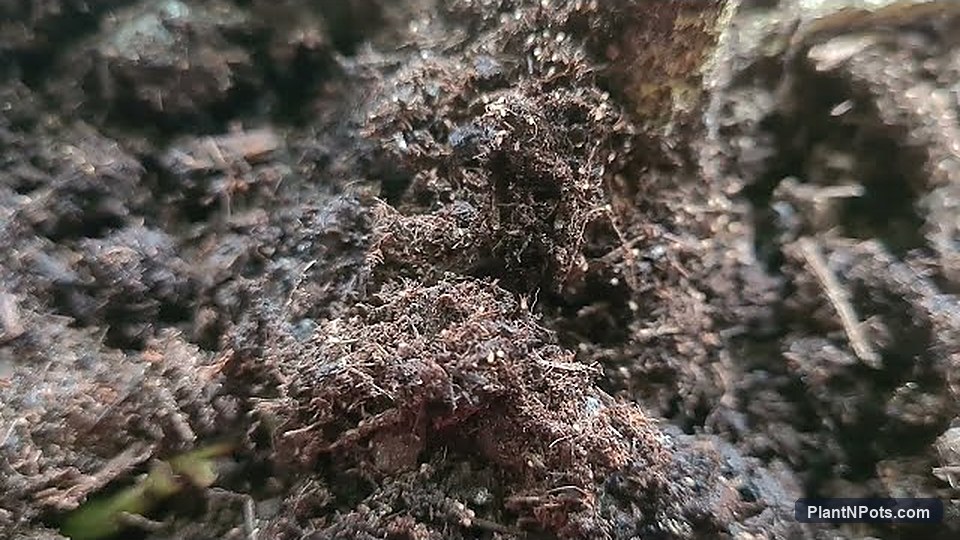
Container gardeners frequently discover tiny organisms crawling across damp potting mix surfaces. Most of these miniature creatures are harmless, but some species can damage delicate plant roots over time.
Careful observation helps you distinguish between beneficial organisms and destructive plant pests. Look closely at movement speed, coloration, and whether insects prefer flying or staying entirely in the soil.
Inspecting your container drainage trays reveals pests that have washed downward during watering. Check the underside of nursery pots regularly to catch early infestations before populations expand rapidly indoors.
Professional horticulturists recommend using a hand magnifying glass to examine suspicious soil dwellers properly. Proper identification prevents you from accidentally destroying beneficial predatory mites that protect your greenery.
- Use a magnifying glass for tiny bugs
- Check drainage holes for crawling pests
- Observe pest movement speed and habits
- Monitor soil surface moisture levels daily
Recognizing Common Soil Inhabitants
Springtails are tiny jumpers that thrive in overly wet potting mix. Choosing the [best soil for large planters](https://plantnpots.com/?p=3571) prevents moisture buildup, stopping these harmless decomposers from multiplying rapidly inside your indoor containers.
Soil mites appear as microscopic moving dots navigating the soil particles with surprising speed. Like springtails, most soil mites feed exclusively on decaying matter rather than living plant tissue.
- Springtails jump when disturbed lightly
- Soil mites navigate through organic debris
Managing Fungus Gnats and Destructive Thrips
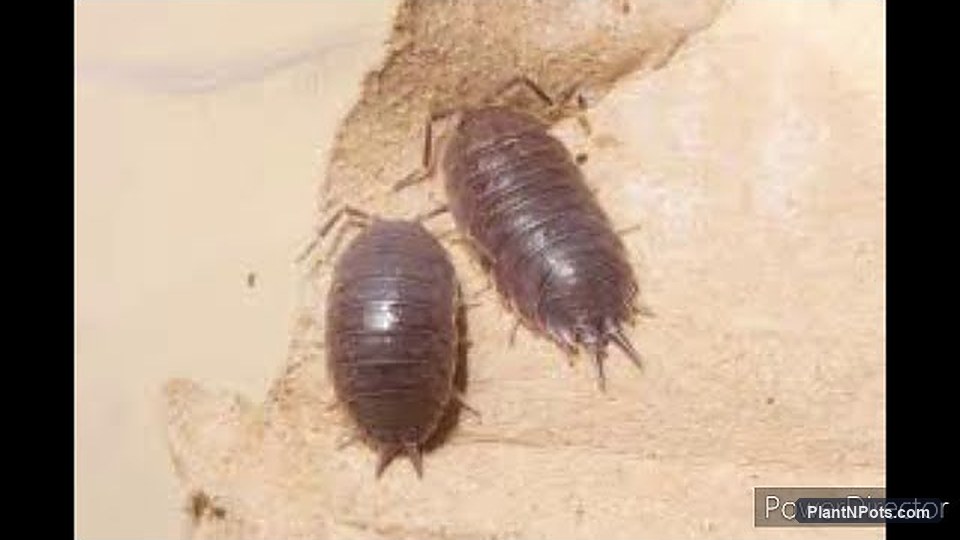
Placing greenery inside the [best eva solo orchid pot](https://plantnpots.com/?p=2890) helps manage moisture, but fungus gnats still represent common household pests found in indoor container plantings where damp soil permits larval survival.
Infested plants exhibit sudden wilting, stunted growth, and yellowing lower leaves due to root damage. Controlling moisture is your primary weapon against these persistent flying indoor nuisance insects.
Thrips occasionally tunnel into container soil during certain stages of their complex life cycle. While primarily foliage feeders, these slender insects require targeted intervention if they migrate downward.
Yellow sticky cards placed directly into the potting mix capture adult gnats effectively. This passive monitoring tool reduces breeding populations without requiring harsh synthetic chemicals in your living space.
- Hang yellow sticky cards near soil
- Allow soil surface to dry out
- Inspect roots if wilting occurs
- Reduce indoor humidity levels slightly
Video Walkthrough: How to Get Rid of Fungus Gnats in 4 Simple Steps
Non-Chemical Elimination and Organic Treatments
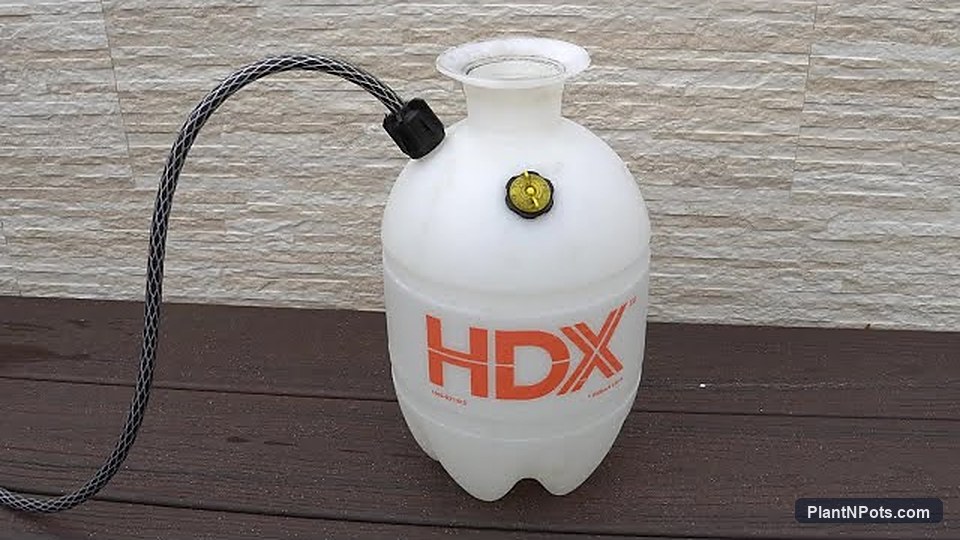
Natural remedies provide safe eradication for home gardeners managing indoor container plants. Neem oil drenches disrupt the reproductive systems of soil-dwelling pests without harming sturdy household greenery.
Dilute pure horticultural soap according to label directions before watering your dry potting mix. This gentle approach suffocates soft-bodied larvae instantly upon direct contact within the root zone.
Beneficial nematodes offer an advanced biological solution for severe indoor container pest infestations. These microscopic roundworms hunt down and consume gnat larvae safely inside damp potting substrates.
Hydrogen peroxide mixed with water creates a fizzy soil drench that kills larvae instantly. Combine one part peroxide with four parts water for a safe, foaming root zone treatment.
- Apply diluted neem oil drenches
- Use beneficial nematodes for larvae
- Try hydrogen peroxide soil flushes
- Avoid overwatering treated container plants
Proactive Strategies for Sanitizing Unused Growing Medium
Sterilizing potting mix before planting prevents dormant pest eggs from hatching indoors. Bake damp soil in an oven at one hundred eighty degrees for thirty minutes to eliminate pests.
Store opened bags of commercial potting soil in tightly sealed plastic containers outdoors. Proper sealing prevents fungus gnats from laying eggs inside your fresh growing medium during storage.
Quarantine new houseplants away from established indoor collections for at least two weeks. This simple precaution stops hidden soil pests from spreading across your entire indoor garden display.
Inspect nursery stock thoroughly before bringing any containerized plants inside your home. Look for webbing, sticky residue, or crawling insects along the container rim and soil surface.
- Seal open soil bags tightly
- Quarantine new houseplants promptly
- Bake soil to kill eggs
- Inspect container rims for pests
Storing Container-Grown Root Crops and Herbs
Selecting the [best pot for spider plant](https://plantnpots.com/?p=6622) setups ensures proper drainage, much like container-grown root vegetables require specific post-harvest curing conditions to prevent fungal rot during cool winter storage periods.
Store beets and similar root crops in cool, dark basements using damp sand layers. Maintaining temperatures near thirty-eight degrees Fahrenheit keeps stored roots crisp and fresh all winter.
Keep harvested herbs in top condition by utilizing proper drying and freezing techniques. Air drying bundles upside down in warm rooms preserves essential aromatic oils for culinary use.
Freeze fresh container herbs in olive oil cubes for convenient cooking additions later. This method locks in vibrant flavors much better than traditional air drying or standard refrigeration methods.
- Cure root crops before storage
- Use damp sand for winter beets
- Air dry herb bundles upside down
- Freeze herbs in oil cubes
Video Walkthrough: Soil mites, very beneficial to the plants #curryplant #soilmites
Curing and Storing Container Sweet Potatoes
Container-grown sweet potatoes need a critical curing phase immediately following harvest. Keep tubers at eighty-five degrees with high humidity for one week to heal skin wounds.
Proper curing converts starches into natural sugars while toughening the outer skin significantly. This essential step prevents moisture loss and fungal decay during long-term indoor winter storage periods.
Store cured sweet potatoes in ventilated cardboard boxes inside cool, dark spaces. Maintain storage temperatures between fifty-five and sixty degrees to maximize shelf life without chilling injury.
Never store sweet potatoes in household refrigerators because cold temperatures cause irreversible flesh breakdown. Regularly inspect stored tubers to remove any specimens showing signs of soft rot.
- Cure sweet potatoes warmly first
- Keep storage temperatures moderate
- Use ventilated cardboard boxes
- Check stored tubers weekly
Preserving Green Tomatoes and Fresh Holiday Greens
Ripen mature green tomatoes indoors before autumn frosts destroy outdoor container crops completely. Wrap individual fruits in newspaper and store them in a cool, dark location.
Check ripening tomatoes weekly to remove spoiled specimens before rot spreads to neighbors. Alternatively, place green tomatoes near bananas to accelerate the natural ethylene gas ripening process.
Keep live container-grown Christmas trees fresh through winter holidays by watering daily. Spray evergreen needles with anti-desiccant formulas to minimize moisture loss inside heated living rooms.
Place holiday trees away from active heating vents and sunny windows to prevent drying. Proper hydration ensures your container evergreen stays vibrant throughout the entire holiday festive season.
- Wrap green tomatoes in paper
- Monitor ripening fruits weekly
- Water live holiday trees daily
- Avoid warm indoor heating vents
Frequently Asked Questions
How do I permanently eliminate fungus gnats from my indoor potted plants?
Letting the top two inches of potting mix dry out completely between watering sessions effectively starves developing larvae of essential moisture.
Supplement this natural drying practice with yellow sticky traps to catch adult flyers and apply a diluted neem oil soil drench to eliminate hidden pests.
Are tiny jumping bugs in my plant soil dangerous to my houseplants?
Most tiny jumping insects found in damp container soil are harmless springtails that feed exclusively on decaying organic matter. They do not damage healthy root systems, meaning you can safely ignore them unless their population explodes due to chronic overwatering.
How can I sterilize commercial potting soil before using it for indoor container planting?
Spread your damp potting mix evenly across a shallow metal baking pan and cover the top securely with heavy-duty aluminum foil.
Bake the soil in your oven at one hundred eighty degrees Fahrenheit for thirty minutes to eliminate all dormant pest eggs.
What is the best way to store container-grown root crops like beets through the winter?
Brush off loose soil gently without washing the roots and layer them inside boxes filled with slightly damp sand. Store these containers in a cool, dark basement maintaining temperatures near thirty-eight degrees to keep roots crisp and fresh.
Why are my stored container sweet potatoes rotting during indoor winter storage?
Sweet potatoes often rot in storage because they missed a critical initial curing phase at high temperatures and humidity. Always cure harvested tubers warmly for one week before moving them to a ventilated dark space maintained around sixty degrees.

