Discover proven methods to safely remove fungal buildup beneath your containers. Restore pristine container health using expert techniques.
Key Takeaway:
White mold on the bottom of a plant pot usually indicates excessive trapped moisture and poor air circulation around drainage holes.
Quick-Reference Guide
| Factor / Scenario | Recommended Target | Why It Matters |
|---|---|---|
| Soil Moisture | Dry top 2 inches | Prevents surface fungal blooms. |
| Drainage Hole | Unblocked clearance | Allows complete water evacuation. |
| Vinegar Solution | 50-50 dilution | Safely kills surface fungal spores. |
| Air Humidity | Below 50 percent | Inhibits secondary mold growth. |
| Saucer Check | Empty within 10 min | Stops capillary moisture wicked upward. |
| Pot Material | Porous terracotta | Requires proactive mineral brushing. |
Understanding the Causes of Fungal Growth in Containers
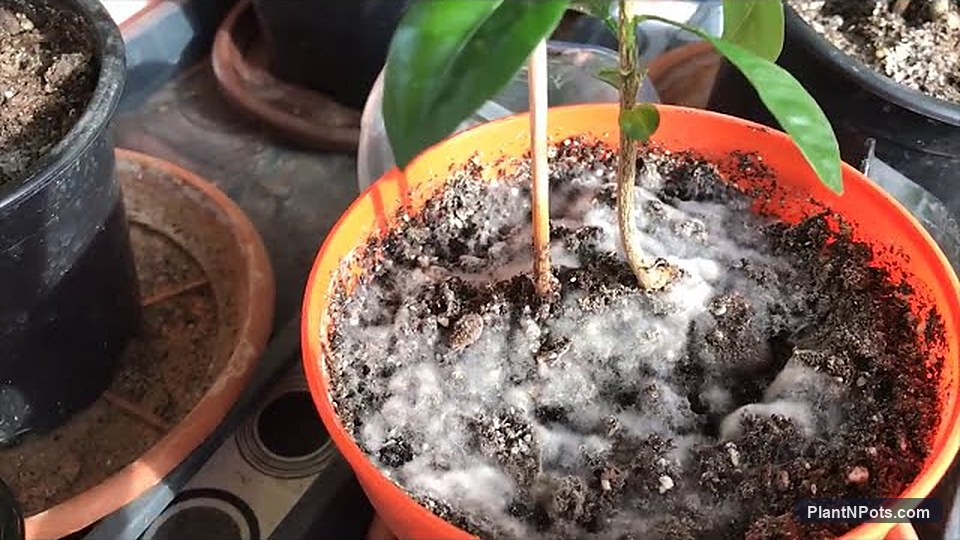
When you discover fuzzy white patches clinging to the base of your indoor planters, it often signals an overabundance of organic matter reacting with prolonged dampness.
Indoor environments lacking adequate cross-ventilation trap stagnant air near the floor surface. This stagnant microclimate encourages spores drifting naturally indoors to colonize damp container exteriors rapidly.
Overwatering remains the primary culprit behind persistent fungal outbreaks. When potting mix stays saturated for days, excess water carries dissolved minerals and organic debris directly toward bottom drainage holes.
As moisture evaporates through porous container walls or escapes downward, it leaves behind powdery residues and fungal hyphae. Recognizing these environmental triggers helps you correct underlying cultural mistakes immediately.
Excess moisture combined with organic potting mixes creates ideal conditions for fungal spores to germinate. Poor airflow around the container base accelerates this microscopic activity, turning stagnant water into visible blooms.
Terracotta pots are porous, allowing water to wick outward where minerals and fungal threads crystallize. Maintaining ambient temperatures between 65 and 75 degrees Fahrenheit helps regulate natural evaporation rates effectively.
Overwatering starves roots of oxygen while encouraging mold, making durable ceramic planters a safer choice. Allowing the top two inches of soil to dry completely disrupts the moisture cycle required by spores.
Stagnant indoor humidity exceeding sixty percent traps moisture against pot walls and saucers. Using small oscillating fans near floor level prevents microclimates from forming around your prized indoor botanical collections.
- Inspect container bases weekly during humid seasons.
- Ensure room airflow reaches low shelf levels.
- Identify organic soil breakdown early.
- Clear away fallen leaf debris promptly.
Identifying Mineral Efflorescence Versus Actual Fungal Growth
Home gardeners frequently confuse powdery white mold with mineral efflorescence caused by hard tap water salts. Mineral crusts feel hard and crunchy, whereas true mold feels fuzzy or soft.
Scraping a small sample with a fingernail easily distinguishes both substances. If the white residue dissolves instantly in distilled water, you are dealing with harmless fertilizer salts instead.
- Check residue texture carefully.
- Perform water solubility tests.
Differentiating Harmless Saprophytic Fungi from Pathogens
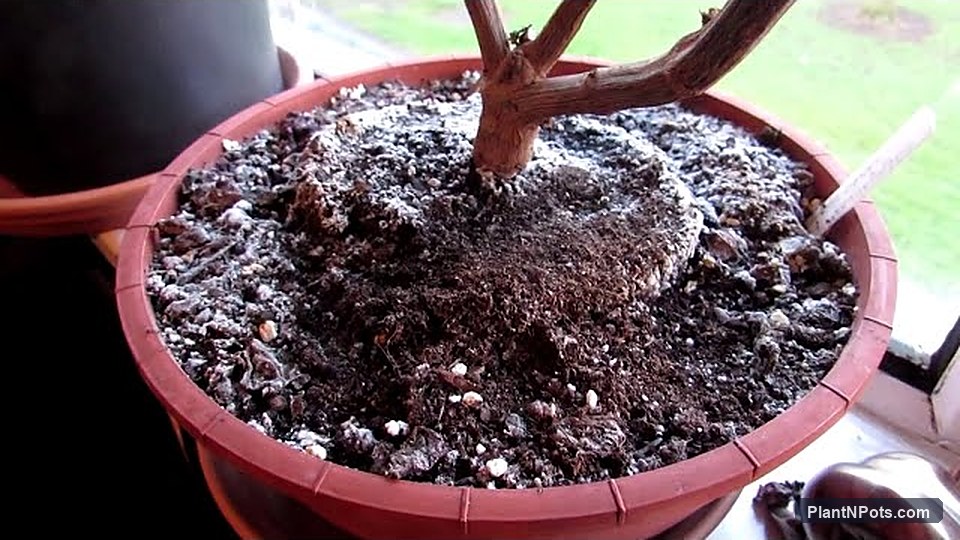
Most white mold appearing on container exteriors belongs to saprophytic species that feed exclusively on dead organic matter rather than living roots.
These common molds are largely cosmetic and rarely threaten established houseplants directly. However, their presence indicates unfavorable moisture levels that could eventually lead to root rot.
Pathogenic fungi behave differently by attacking living tissue, causing stem discoloration and sudden wilting. Inspecting the root system during repotting reveals whether the infection remains superficial.
Differentiating between these fungal categories prevents unnecessary panic and guides appropriate remediation efforts. Always evaluate the overall vigor of your plant before applying intensive chemical treatments.
Saprophytic mold feeds exclusively on decaying organic matter within the soil without harming living roots. These fuzzy white patches are typically entirely harmless to established plants, acting as natural composters.
Plant pathogens, such as root rot fungi, attack living tissue directly and cause wilting or yellowing. Inspecting the root system reveals whether discoloration or mushy brown textures indicate a serious underlying disease.
Harmless surface molds brush off easily and rarely penetrate deep into the root ball mass. If you notice a persistent musty odor, it confirms active fungal colonization thriving in wet organic substrates.
Differentiating the two saves you from applying harsh chemical fungicides unnecessarily to healthy houseplants. Monitoring foliage vigor provides the best diagnostic indicator regarding whether your plant is suffering or thriving.
- Examine foliage for concurrent disease signs.
- Inspect root balls during routine maintenance.
- Monitor overall plant vigor daily.
- Ignore harmless surface saprophytes safely.
Video Walkthrough: WHITE MOLD ON TERRA COTTA POTS | How to Remove and Prevent Mold Growth
Inspecting Drainage Holes and Saucers for Moisture Traps
The underside of any plant container is a notorious hotspot for trapped humidity. Saucers holding standing runoff create a continuous wicking effect that keeps the pot base perpetually wet.
Elevating your containers on pot feet or wire plant stands breaks this moisture bridge. Adequate air gaps underneath allow rapid evaporation and prevent fungal colonies from establishing footholds.
Inspect drainage holes regularly to ensure root masses or compacted soil have not clogged them. Unclogging these exits restores proper gravitational drainage and reduces lingering bottom dampness significantly.
Empty plant saucers religiously within ten minutes after every watering session. Never allow pots to sit in stagnant wastewater for extended periods under any circumstances.
Drainage holes frequently collect standing water when pots sit directly inside flat-bottomed decorative saucers. Emptying collected runoff within ten minutes of watering prevents the container base from remaining perpetually saturated.
Elevating pots on small ceramic feet or plastic risers allows air to circulate underneath freely. This vital gap stops capillary action from pulling moisture back into bottom drainage holes continuously.
Mineral salt buildup around drainage apertures often mixes with organic debris to feed mold colonies. Scrubbing these hidden crevices during routine maintenance eliminates the nutrient source required by fungal spores.
Saucers made of non-porous glazed ceramic or plastic should be washed with soapy water weekly. Upgrading to quality planters with trays prevents lingering spores from reinfecting the base of your planter over time.
- Use ceramic pot feet for elevation.
- Discard saucer wastewater immediately.
- Clear blocked drainage exits cleanly.
- Keep tray surfaces dry between waterings.
Step-by-Step Remediation for Terracotta and Ceramic Vessels
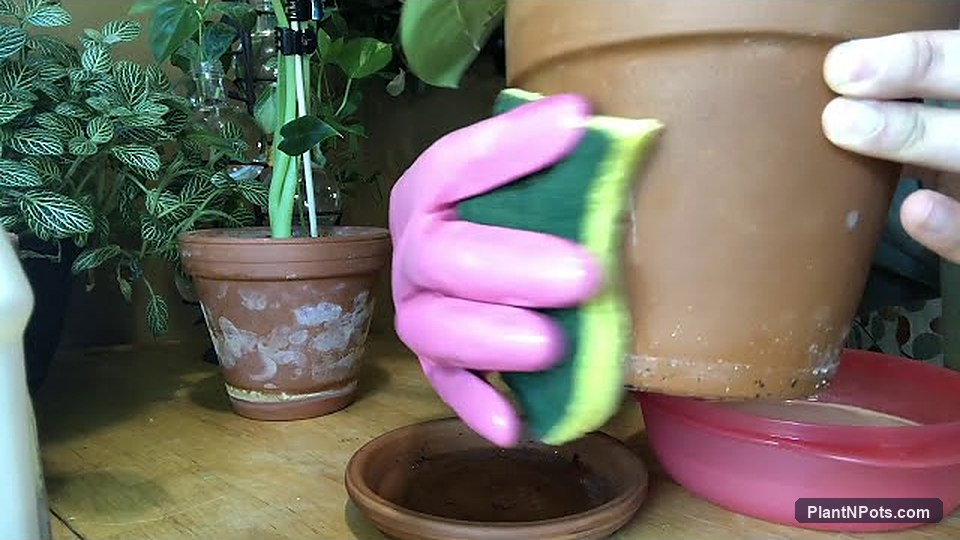
Terracotta pots absorb moisture deeply, making them frequent targets for external mold colonies. Begin remediation by gently scrubbing the affected exterior using a stiff-bristled nylon brush.
Prepare a cleaning solution combining equal parts white vinegar and warm water in a bucket. Vinegar effectively neutralizes fungal spores without harming most traditional pottery materials.
Submerge smaller pots in the vinegar bath for thirty minutes to loosen stubborn crusts. For larger vessels, apply the solution liberally with a clean sponge and let it sit.
Rinse the container thoroughly with clean water to eliminate residual acids before replanting. Allow the porous clay to dry completely in direct sunlight for twenty-four hours.
Begin by gently removing the plant from its container to inspect the root ball structure. Scrub unglazed terracotta surfaces using a stiff-bristled brush dipped in diluted white vinegar to dissolve mineral deposits.
Soak porous clay pots in a solution of one part bleach to nine parts water. Let the vessel submerge for at least thirty minutes to eliminate embedded fungal spores thoroughly.
Rinse the treated container thoroughly with clean tap water to remove chemical residues completely. Allow the vessel to dry in direct sunlight for twenty-four hours before repotting your plant safely.
Glazed ceramic pots require gentler cleaning methods to avoid scratching their protective outer finishes permanently. Wipe interior and exterior walls using a microfiber cloth moistened with isopropyl alcohol for safe disinfection.
- Scrub gently with nylon brushes.
- Soak pottery in dilute vinegar.
- Rinse thoroughly with clean water.
- Dry pots completely in sunlight.
Cleaning and Disinfecting Plastic and Fiberglass Planters
Non-porous containers like plastic and fiberglass rarely absorb moisture directly into their walls. Instead, mold accumulates on surface grime, fertilizer residue, and mineral deposits near drainage holes.
Wipe down the entire exterior surface using a mild dish soap solution mixed with hydrogen peroxide for disinfection. Peroxide oxidizes organic mold structures efficiently without toxic fumes.
Scrub crevices around the rim and base where debris frequently collects during routine watering. Pay special attention to hidden lips and decorative indentations on modern planter designs.
Sanitize the emptied container with a dilute bleach solution if stubborn mold persists. Rinse thoroughly with cold water and air dry completely prior to introducing fresh soil.
Plastic and fiberglass pots are non-porous, making mold removal much simpler than with clay vessels. Wash the container thoroughly using dish soap and hot water to eliminate surface organic films.
Disinfect the clean plastic surfaces by wiping them down with a hydrogen peroxide spray solution. Allow the bubbling liquid to sit undisturbed for ten full minutes to destroy lingering fungal spores.
Avoid using harsh scouring pads on glossy fiberglass finishes to prevent creating microscopic scratches. These tiny abrasions can harbor future mold spores and make subsequent deep cleaning significantly more difficult.
Ensure every plastic container is completely dry before adding fresh potting soil and reinstalling plants. Proper drying eliminates hidden moisture pockets that could trigger secondary mold outbreaks inside enclosed spaces.
- Use peroxide for safe sanitization.
- Scrub textured rims and bases.
- Avoid harsh abrasive metal tools.
- Air dry non-porous surfaces fully.
Video Walkthrough: WHITE MOLD in plant soil (UPDATED INFO!)
Adjusting Watering Habits and Soil Amendments
Resolving surface mold requires modifying your watering routine to let soil dry properly. Always check moisture levels two inches deep using your finger before adding fresh water.
Incorporate coarse amendments like perlite, pumice, or orchid bark into your potting mix. These materials improve aeration and prevent the dense compaction that traps excess moisture.
Bottom watering is an effective technique to keep surface soil completely dry. Place your pot in a basin of water for twenty minutes, allowing roots to drink upward.
Discard any remaining water left in the basin immediately after the watering cycle finishes. This method eliminates the damp surface crust that invites external fungal spores.
Switch from frequent light sips to thorough, deep waterings followed by adequate drying periods. This encourages downward root growth while keeping the topsoil surface dry enough to deter fungal colonization.
Amend heavy potting mixes with coarse perlite, orchid bark, or pumice to improve structural drainage. Increasing soil aeration prevents water from remaining trapped against root ball bases for extended durations.
Avoid dense garden soil inside your home because it retains excessive moisture naturally. Choosing breathable indoor containers provides the ideal porosity needed for healthy root systems.
Water your plants exclusively in the morning so excess moisture evaporates throughout the day. Reducing nighttime humidity around containers stops fungal spores from germinating during cooler evening hours.
- Check soil depth before watering.
- Add perlite for better aeration.
- Practice controlled bottom watering.
- Eliminate standing basin moisture.
Preventing Future Outbreaks Through Enhanced Air Circulation
Stagnant indoor air creates optimal conditions for recurrent mold growth around plant bases. Position small oscillating fans nearby to maintain steady air movement throughout your indoor jungle.
Space your container gardens appropriately to allow unhindered airflow between individual pots. Overcrowded plant displays trap high humidity levels right where fungal spores thrive best.
Monitor indoor humidity levels using a reliable hygrometer placed near your collection. Aim to keep ambient relative humidity below fifty percent during damp winter months.
Wipe down surrounding shelves and plant stands periodically with diluted vinegar solutions. Proactive environmental maintenance stops mold spores from settling onto clean container surfaces successfully.
Stagnant indoor air is the primary culprit behind recurring mold issues in household plant collections. Positioning small oscillating fans nearby maintains constant air movement across pot surfaces and lower foliage.
Space your containers further apart on shelves and plant stands to eliminate humid microclimates. Proper spacing allows ambient air currents to dry out pot bottoms and saucers much faster.
Open windows when weather permits to flush out stale indoor air and introduce fresh oxygen. Maintaining relative humidity levels below fifty percent indoors effectively discourages most common household molds.
Group plants according to their watering requirements to manage localized humidity levels more effectively. Strategic arrangement prevents moisture-loving plants from creating damp zones that affect nearby dry-loving species.
- Position oscillating fans nearby.
- Space potted plants adequately.
- Monitor ambient room humidity.
- Sanitize surrounding display shelves.
Frequently Asked Questions
Is white mold on the bottom of a plant pot dangerous for indoor plants?
Most saprophytic molds are purely cosmetic and rarely harm healthy established root systems. However, they indicate excessive moisture that could eventually cause root rot.
Can I use rubbing alcohol to kill white mold on ceramic planters?
Yes, isopropyl alcohol effectively sterilizes smooth container surfaces without causing structural damage. Simply wipe the affected areas with a soaked cloth and rinse thoroughly.
Why does white mold keep returning even after I clean the pot?
Recurrent mold usually means your potting mix stays too wet or room humidity remains too high. Adjust your watering schedule and increase air circulation.
Should I repot my houseplant if mold appears on the drainage holes?
Repotting is unnecessary unless the mold extends deep into the root ball or causes root decay. Treating the exterior surface is usually entirely sufficient.
Does cinnamon work as a natural treatment for pot mold?
Ground cinnamon possesses mild antifungal properties that inhibit minor surface mold outbreaks. Dusting a small amount onto damp soil areas can help deter spores.

