Discover exact container dimensions, soil acidity requirements, and drainage setups for thriving patio berry harvests. Master container selection today.
Key Takeaway:
Young starters need a 10 to 15-gallon container, while mature shrubs require 20 to 25 gallons of specialized acidic soil mix.
Quick-Reference Guide
| Factor / Scenario | Recommended Target | Why It Matters |
|---|---|---|
| Young Starter Bush | 10 to 15 Gallons | Provides adequate room for initial root expansion during the first two growing seasons. |
| Mature Shrub | 20 to 25 Gallons | Accommodates extensive root systems of full-sized northern highbush or rabbiteye varieties. |
| Soil pH Level | 4.5 to 5.5 | Crucial acidic range required for proper nutrient uptake and vibrant green foliage. |
| Drainage Setup | Multiple Base Holes | Prevents fatal root rot by eliminating standing water in the container bottom. |
| Container Material | Uprated Resin or Wood | Insulates sensitive root zones against extreme summer heat and winter freezes. |
| Repotting Interval | 3 to 4 Years | Refreshes depleted organic matter and allows gentle root pruning if necessary. |
Evaluating Container Dimensions for Berry Shrubs
Selecting the correct container is essential for long-term berry health. When evaluating what size pot blueberry bush varieties demand, remember that root expansion directly dictates above-ground fruit yields and overall plant vigor.
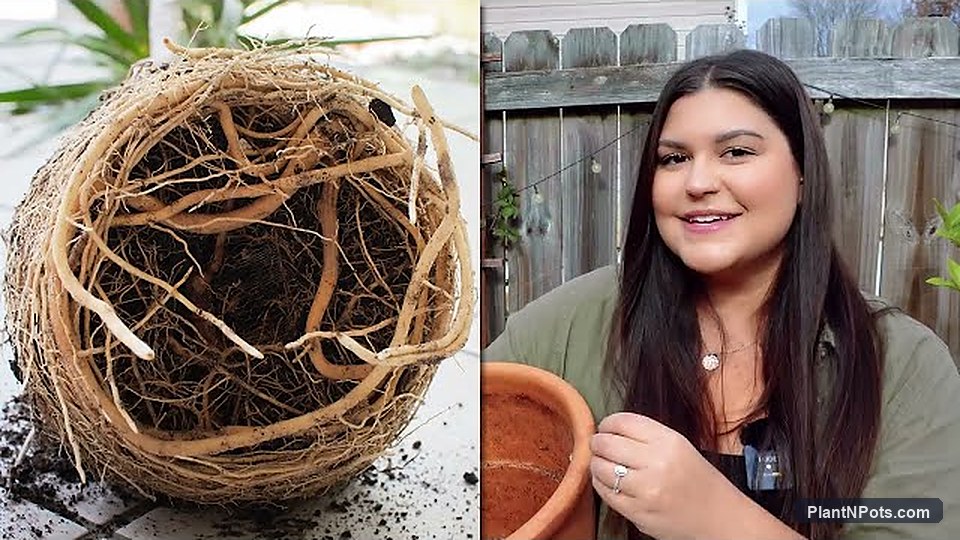
Young nursery starters purchased in one-gallon containers require an immediate step up. Moving them directly into a 10 to 15-gallon pot prevents root crowding while avoiding excess wet soil common in oversized vessels.
As your shrubs mature past three years of age, upgrading to a 20 to 25-gallon container becomes necessary. This volume sustains a robust root ball capable of supporting heavy summer fruit production cycles.
Shallow containers perform poorly because roots require vertical depth. Selecting a [proper pot size](https://plantnpots.com/?p=6664) with at least 16 inches of depth ensures your plants thrive.
Mature highbush blueberry cultivars require a minimum container volume of twenty gallons to support expansive root systems and ensure stable fruit production over multiple productive growing seasons.
Measure your pot diameter carefully, ensuring the top opening spans at least twenty-four inches across to accommodate the natural lateral spread of shallow ericaceous root architectures.
Depth is equally critical for shrub health; select vessels measuring roughly eighteen inches deep to prevent root crowding and maintain adequate moisture buffering during summer heatwaves.
Avoid overly narrow tapered pots that restrict root expansion and cause premature plant binding, which severely stunts overall canopy development and reduces annual berry harvests.
- Match the pot volume directly to the current age of your nursery starter.
- Avoid jumping straight to giant pots to prevent chronic soil saturation issues.
- Prioritize vertical depth over decorative wide bowls for healthy roots.
- Ensure containers offer stability against heavy winds when loaded with fruit.
Growth Stages and Volume Transitions
Tracking plant age ensures you scale container sizes correctly. Transitioning plants gradually minimizes transplant shock while maintaining steady seasonal growth rates across all branches.
Always inspect root density before deciding to up-pot your specimens. Rootbound plants require immediate container enlargement paired with gentle scoring of outer root mats.
- Check root bound status every spring before new leaf buds emerge.
- Step up pot sizes by incremental volumes rather than doubling instantly.
Selecting Optimal Material Properties for Pots
Container composition impacts moisture retention and thermal regulation significantly. Fabric pots offer exceptional aeration, but they dry out rapidly under intense afternoon sun exposure during peak summer months.
Traditional glazed ceramic and the best extra large terracotta pots provide wonderful stability on windy decks. However, porous clay breathes moisture away quickly, demanding frequent irrigation adjustments.
Heavy-duty food-safe plastic or fiberglass containers represent a balanced compromise. They retain essential soil moisture while remaining lightweight enough to maneuver during seasonal patio rearrangements.
Avoid untreated metal containers because they conduct heat aggressively. Extreme summer temperatures can scorch delicate roots resting against scorching interior vessel walls.
Unglazed terracotta containers offer exceptional breathability, yet they require vigilant monitoring because porous clay walls rapidly accelerate soil drying during peak summer temperature spikes.
Heavy-duty UV-resistant polyethylene plastic pots retain soil moisture efficiently, effectively preventing those rapid root zone fluctuations that frequently stress sensitive southern highbush blueberry cultivars.
Avoid dark-colored containers in hot climates unless properly insulated, as intense solar heat absorption can dangerously overheat delicate root systems during mid-afternoon direct sunlight exposure.
Fabric aeration containers promote healthy root pruning naturally, though diligent growers must budget for increased watering frequency to compensate for heightened evaporative loss rates outdoors.
- Choose UV-resistant resin pots for long-term outdoor durability on decks.
- Monitor fabric container moisture levels daily during hot summer heatwaves.
- Avoid dark metal vessels that transfer excessive thermal energy to roots.
- Ensure all selected materials remain completely food-safe and non-toxic.
Managing Thermal Fluctuations in Containers
Container roots lack the natural insulation found in deep garden ground beds. Protecting root zones from severe temperature swings guarantees consistent bush vitality year-round.
Consider wrapping exterior pot walls with burlap during freezing winter freezes to shield sensitive root systems from sudden lethal temperature drops.
- Cluster patio containers together to create a localized microclimate.
- Use protective insulating wraps during unexpected late winter cold snaps.
Video Walkthrough: Transplanting
Soil Acidity and Substrate Preparation Rules
Blueberries possess specialized nutritional demands that begin with soil chemistry. Maintaining a strict pH range between 4.5 and 5.5 is non-negotiable for successful container cultivation.
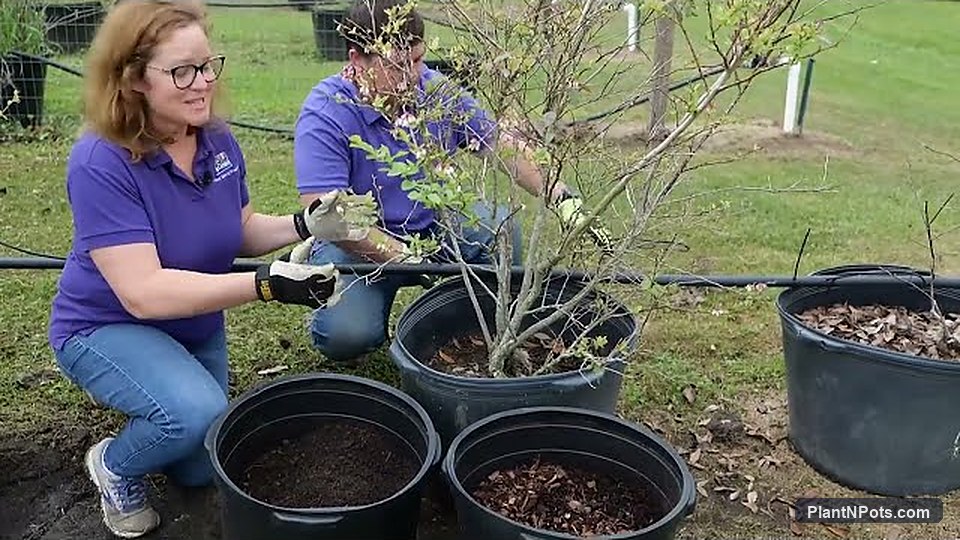
Standard potting mixes lack the required acidity and will cause rapid chlorosis. Always build a custom blend utilizing high amounts of sphagnum peat moss and aged compost.
Incorporate coarse perlite or horticultural bark into the mixture to enhance structural porosity. This prevents compaction and allows oxygen to reach fine feeder roots easily.
Test your container substrate chemistry twice annually using reliable digital probes. Correct drifting pH levels immediately using elemental sulfur tailored for ericaceous plants.
Blueberries strictly demand an acidic growing medium with a target pH range between four point five and five point zero for optimal mineral nutrient uptake.
Craft a bespoke potting substrate using equal parts coarse peat moss, aged pine bark fines, and perlite to guarantee superior aeration and sustained long-term acidity.
Never utilize standard garden soil or alkaline compost mixes, because these dense materials cause rapid root rot and quickly elevate crucial substrate pH levels.
Incorporate elemental sulfur several months before planting if your initial soil test indicates high alkalinity, allowing sufficient time for beneficial microbial conversion chemical processes.
- Never use standard garden soil inside enclosed patio containers.
- Incorporate large quantities of sphagnum peat moss for natural acidity.
- Add coarse pine bark chips to maintain long-term structural porosity.
- Test substrate pH levels at the start of every spring season.
Amending Depleted Substrates Over Time
Container soil degrades physically and chemically over multiple growing seasons, much like a [best boston fern hanging basket](https://plantnpots.com/?p=2968) substrate. Refreshing the top few inches of earth every spring restores vital organic nutrients.
Apply an organic mulch layer over the container surface to suppress weeds and retain moisture. Pine straw or shredded bark serves as an ideal organic top dressing.
- Scrape away old surface soil carefully without disturbing shallow roots.
- Replenish with fresh acidified compost and clean organic mulch.
Drainage Requirements and Watering Protocols
Proper drainage design prevents fatal root diseases in container setups. Every chosen pot must feature multiple large drainage holes across the bottom surface to expel excess irrigation water.
Elevate containers slightly using pot feet or wooden blocks. This simple step ensures unobstructed water exit paths and stops stagnant moisture from pooling underneath.
Water your potted bushes deeply until liquid runs freely from the base holes. Allow the top two inches of substrate to dry slightly before initiating the next watering cycle.
Utilize rainwater or filtered tap sources whenever possible to avoid mineral salt buildup. Excessive mineral accumulation gradually elevates substrate pH above safe tolerance thresholds.
Ensure your chosen container features multiple generous drainage holes to prevent stagnant water accumulation that easily suffocates delicate roots and invites fatal fungal root pathogens.
Water deeply whenever the top two inches of potting mix feel dry to the touch, ensuring complete saturation until moisture flows freely from the bottom.
Utilize rainwater or filtered municipal supplies whenever possible, as hard tap water containing high mineral and calcium bicarbonate levels gradually raises soil pH over time.
Avoid allowing peat-based potting substrates to dry out completely, because hydrophobic dry peat becomes extremely difficult to rehydrate uniformly during your regular garden watering routines.
- Drill extra bottom holes if factory drainage provisions appear inadequate.
- Elevate containers on pot feet to maintain clear airflow channels.
- Water thoroughly until liquid flows freely from container bases.
- Monitor seasonal moisture needs closely during fruiting and ripening phases.
Preventing Root Rot in Enclosed Vessels
Waterlogged substrates suffocate fine root hairs within a very short timeframe. Recognizing early signs of overwatering saves plants from irreversible physiological collapse.
Inspect saucer trays regularly and discard standing water immediately after irrigation. Never let container bases sit submerged in stagnant puddles for extended periods.
- Empty collection saucers within thirty minutes of watering sessions.
- Adjust irrigation frequency downward during extended rainy weather periods.
Seasonal Maintenance and Overwintering Care
Potted berry bushes require thoughtful seasonal adjustments throughout the year. Moving containers into sheltered microclimates during harsh winter months protects crowns from freezing winds.
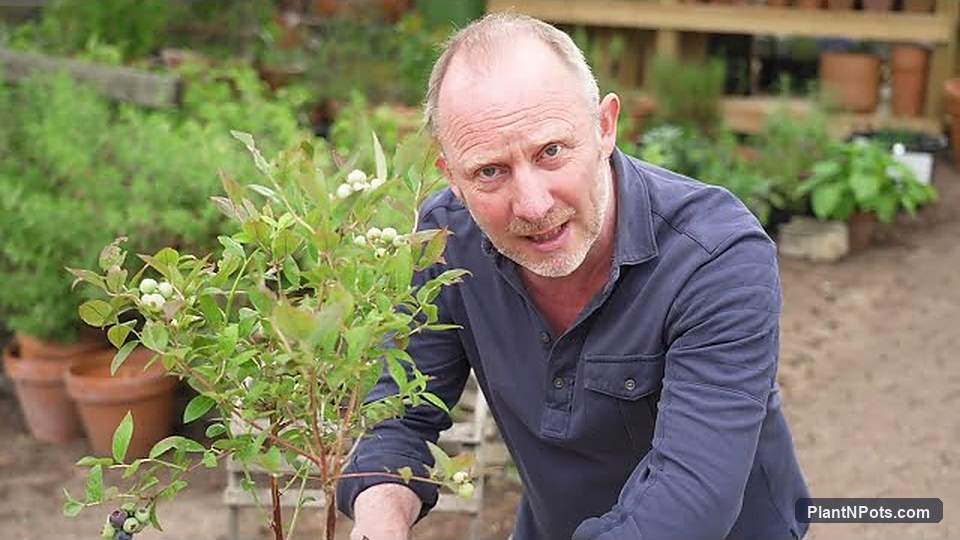
Prune dead, crossing, or weak wood annually during late winter dormancy. Removing unproductive canes redirects energy toward robust fruit-bearing branches next spring.
Apply balanced, acid-forming organic fertilizers just as new spring leaf buds break. Avoid high-nitrogen synthetic blends that burn sensitive feeder roots and reduce yields.
Net your ripening fruit clusters securely to prevent local wildlife from harvesting your crop. Simple physical netting safeguards hard-earned harvests until peak ripeness arrives.
Apply an organic ericaceous fertilizer specifically formulated for acid-loving plants during early spring just as new leaf buds begin swelling across the dormant woody branches.
Mulch the soil surface with a thick layer of pine needles or shredded bark to conserve moisture, suppress weeds, and maintain steady acidity levels.
Protect potted shrubs from severe sub-freezing winter temperatures by grouping containers together against a protected wall or wrapping the pots in insulating burlap layers.
Prune dead, weak, or crossing canes annually during the mid-winter dormancy window to encourage vigorous new fruiting wood and maintain an open, productive canopy structure.
- Prune dormant bushes annually in late winter before growth resumes.
- Apply acid-specialized organic fertilizers during early spring bud break.
- Shield winter containers against severe sub-zero wind exposure.
- Install bird netting over ripening fruit clusters ahead of harvest.
Transitioning Plants Between Seasons Safely
Moving container plants indoors or into garages requires gradual acclimatization steps. Sudden environmental shifts shock plants and cause premature foliage drop.
Harden off overwintered specimens slowly each spring by introducing outdoor elements over two weeks. This prevents sunscald on tender young spring leaves.
- Acclimatize plants gradually when shifting between indoor and outdoor spots.
- Watch for late spring frosts and protect emerging blossoms overnight.
Video Walkthrough: Introduction
Frequently Asked Questions
What exact container size fits a young starter blueberry bush?
Young starters thrive best in a 10 to 15-gallon container during their first two years. This volume provides ample room for root development without holding excess stagnant moisture.
Can I plant multiple blueberry bushes inside a single large planter?
Planting multiple bushes together is generally discouraged because mature root systems compete aggressively for space. Each mature shrub requires its own dedicated 20 to 25-gallon container for optimal fruit production.
How often should I repot my container-grown blueberry bushes?
Repot your specimens every 3 to 4 years to refresh depleted organic matter. Gently inspect the root ball during early spring and step up container sizes only if strictly necessary.
Why is soil acidity critical for potted blueberry plants?
Blueberries demand a strict soil pH range between 4.5 and 5.5 to absorb essential micro-nutrients properly. Standard potting soils lack this crucial acidity and cause immediate yellowing foliage.
How do I protect my potted blueberry bushes during harsh winters?
Cluster containers against sheltered building walls and wrap pot exteriors with burlap for insulation. This simple preventive step protects delicate root zones from severe sub-zero freezing temperatures.

