Master container gardening for peppers using proper fabric grow bag sizing and moisture management. Maximize your harvests with scientific spacing and root health tips.
Key Takeaway:
Selecting the proper container ensures robust root networks and high yields. Use a 3-gallon to 5-gallon grow bag for standard pepper varieties to balance moisture retention and root expansion.
Quick-Reference Guide
| Factor / Scenario | Recommended Target | Why It Matters |
|---|---|---|
| Compact Pepper Types | 2-gallon grow bag | Prevents root crowding for smaller dwarf cultivars. |
| Bell Pepper Varieties | 5-gallon grow bag | Supports heavy fruit loads and extensive root growth. |
| Superhot Pepper Plants | 7-gallon grow bag | Accommodates massive root systems and long seasons. |
| Soil Substrate Mix | 50% compost, 30% peat, 20% perlite | Ensures optimal aeration and moisture drainage. |
| Target Soil pH | 6.0 to 6.8 range | Maximizes vital nutrient uptake for nightshades. |
| Watering Frequency | Daily during peak heat | Compensates for rapid evaporation in fabric walls. |
Understanding Pepper Root Systems and Container Mechanics
Pepper plants develop extensive underground networks that require adequate physical space to thrive. Restricting root growth stunts above-ground foliage and dramatically reduces overall fruit yields across all varieties.
Alternatively, traditional breathable clay pots provide exceptional thermal insulation for underground networks. This sturdy material prevents destructive root circling by maintaining stable soil temperatures across all seasonal changes.
Container gardening shifts the rules of water and nutrient management significantly. Unlike in-ground gardens, grow bags dry out from all sides, requiring careful attention to internal moisture levels.
Choosing an undersized container limits root expansion and starves the plant of essential resources. Matching pot volume to the mature size of your specific pepper cultivar prevents premature rootbound conditions.
- Air pruning eliminates circular root binding completely.
- Breathable fabric enhances vital oxygen exchange at root zones.
- Proper container volume supports heavy late-season fruit loads.
- Root health directly dictates canopy vigor and pest resistance.
The Science of Air Pruning in Fabric
Air pruning occurs when lateral roots reach the breathable fabric wall and encounter dry air. The root tips naturally dehydrate and stop growing outward.
This botanical response forces the plant to redirect energy into creating numerous secondary feeder roots. A fibrous root system absorbs water and micronutrients with much higher efficiency.
- Root tips stop growing upon touching dry exterior air.
- Secondary feeder roots multiply rapidly inside the container.
- Nutrient absorption improves due to increased surface area.
Matching Grow Bag Volume to Specific Pepper Varieties
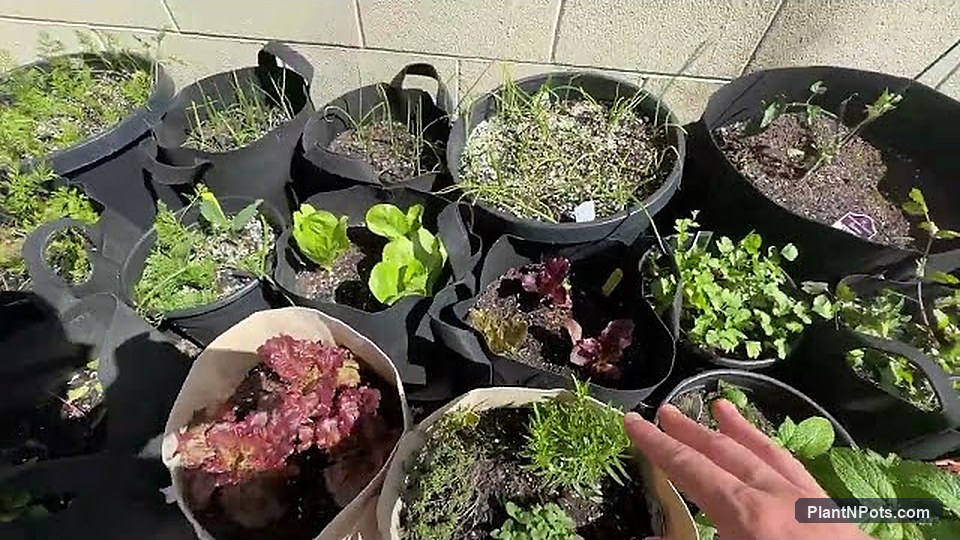
Compact dwarf pepper cultivars require minimal root space to achieve full maturity. You can successfully grow small ornamental or Thai chili peppers in modest two-gallon fabric bags without issues.
Standard bell peppers and medium-sized jalapeños demand significantly more root room for heavy production. A three-gallon to five-gallon grow bag provides the ideal balance for these prolific cultivars.
Massive superhot pepper varieties like ghost peppers or Carolina reapers need substantial growing quarters. Utilizing seven-gallon containers gives these large perennial plants adequate room for massive root systems.
Under-sizing your containers creates chronic drought stress and nutrient deficiencies during peak summer. Giving each plant adequate volume guarantees sustained growth and prevents early flower drop.
- Match dwarf varieties with compact two-gallon fabric bags.
- Use five-gallon bags for standard bell and jalapeño plants.
- Allocate seven-gallon capacities for massive superhot cultivars.
- Adequate volume prevents sudden flower drop and fruit abortion.
Evaluating Cultivar Maturity and Spread
Examine seed packet descriptions to understand the mature plant width and height. Canopy spread usually correlates directly with underground root mass expansion requirements.
Crowding large cultivars into tiny containers creates management nightmares during fruiting seasons. Always err on the larger side when in doubt about specific plant requirements.
- Correlate mature canopy spread with subterranean volume.
- Avoid crowding large cultivars into restricted spaces.
Video Walkthrough: Growing Peppers in Grow Bags – Pros and Cons – Pepper Geek
Fabric Planters Versus Rigid Pots for Nightshades
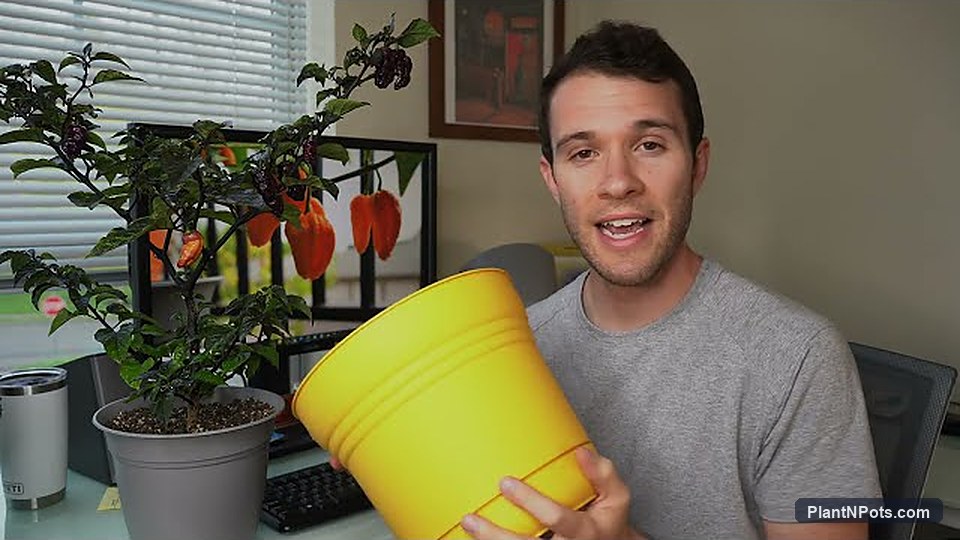
While fabric bags work well, exploring quality terracotta pots offers classic styling and heavy-duty stability. These rigid options protect sensitive pepper roots from scorching while anchoring large cultivars securely.
Fabric walls offer superior drainage that prevents accidental overwatering and fatal root rot. Water escapes freely through the porous sides, maintaining a healthy oxygen-rich root zone throughout summer.
Rigid pots degrade under intense ultraviolet sunlight over several growing seasons. High-quality geotextile fabric containers withstand harsh weather conditions while remaining lightweight and completely collapsible for winter storage.
Moving heavy containers becomes effortless when using fabric bags equipped with reinforced nylon handles. You can easily reposition your pepper garden to chase optimal sunlight or escape storms.
- Fabric planters prevent destructive thermal heat buildup.
- Porous sides eliminate the risk of accidental overwatering.
- Geotextile materials resist UV degradation and fold flat.
- Sturdy handles simplify repositioning heavy fruiting plants.
Soil Blending and Drainage Engineering for Bags
Standard garden soil packs down too densely inside fabric containers, choking root systems. Create a custom medium using compost, peat moss, and perlite to ensure proper aeration and drainage.
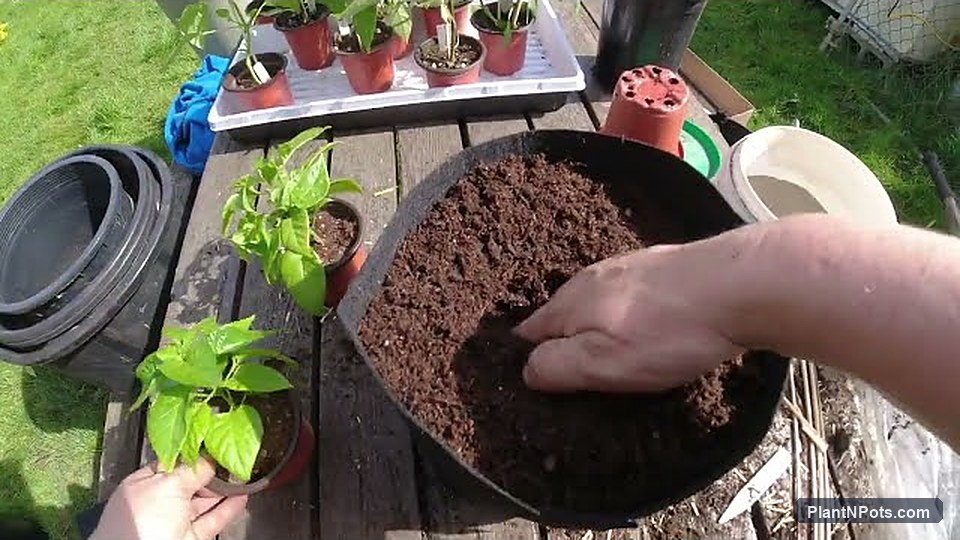
Perlite creates microscopic air channels throughout the potting mix to prevent compaction. This porous amendment is crucial for maintaining steady oxygen levels in large five-gallon and seven-gallon bags.
Compost provides essential slow-release organic nutrients while retaining necessary baseline moisture. Balance your rich organic components with inert materials to prevent the grow bag from becoming waterlogged.
Avoid adding gravel or stones to the bottom of your fabric grow bag. Contrary to popular myth, perched water tables remain unaffected, and coarse layers actually impede downward capillary movement.
- Never use heavy garden soil inside fabric containers.
- Incorporate perlite to maintain vital soil aeration channels.
- Blend nutrient-rich compost for steady organic feeding.
- Omit bottom gravel layers to ensure proper drainage physics.
Watering Dynamics and Moisture Retention Strategies
Porous fabric walls allow moisture to evaporate rapidly from all outer surfaces. Pepper plants grown in containers therefore require more frequent irrigation than plants established directly in garden beds.
Monitor soil moisture daily by inserting your finger two inches deep into the substrate. If the mix feels dry at that depth, water thoroughly until liquid drains from the base.
Upgrade your setup with a [self watering grow bag](https://plantnpots.com/?p=2773) to maintain optimal hydration without daily manual intervention. Pairing this gear with surface mulch drastically reduces evaporation rates.
Inconsistent watering schedules cause blossom end rot and fruit splitting in peppers. Maintain steady soil moisture levels to ensure uniform calcium uptake and healthy fruit development throughout summer.
- Porous fabric accelerates normal surface moisture evaporation.
- Check soil moisture daily using the two-inch finger test.
- Apply organic surface mulch to combat rapid drying.
- Maintain consistent watering routines to prevent blossom end rot.
Seasonal Maintenance, Feeding, and Troubleshooting Tips
Container-grown peppers wash out water-soluble nutrients faster than in-ground plants due to heavy watering. Apply a balanced organic fertilizer every two weeks to support continuous flowering and fruiting.
Inspect the exterior fabric walls periodically for salt crust accumulation from fertilizers. Flush the root zone thoroughly with plain water once a month to leach out excess mineral buildup.
Prune lower foliage and suckers to improve air circulation around the base of the plant. Good airflow prevents fungal pathogen outbreaks during humid periods and directs energy into upper peppers.
Monitor undersides of leaves regularly for common pests like aphids and spider mites. Treat early infestations promptly using insecticidal soap to protect your container-grown harvest from devastating damage.
- Feed container plants every two weeks with balanced fertilizer.
- Flush mineral salt accumulations monthly with plain water.
- Prune lower suckers to maximize base air circulation.
- Inspect leaves frequently for early signs of pest pressure.
Frequently Asked Questions
What is the absolute best grow bag size for bell peppers?
A five-gallon grow bag provides the ideal balance for standard bell peppers. This volume allows enough root expansion to support heavy fruit yields without taking up excessive patio space.
Can I plant multiple pepper plants in a single grow bag?
You should generally plant only one standard pepper per container. Crowding multiple plants into a single bag creates intense root competition and significantly reduces your overall harvest.
Why do grow bags dry out so much faster than plastic pots?
Fabric containers breathe freely, allowing air to circulate around the root ball and moisture to evaporate from all sides. This requires more frequent watering during hot summer weather.
Do I need to empty and replace my grow bag soil every year?
It is best to dump and refresh the potting mix annually to replenish depleted nutrients. Thoroughly wash and dry your fabric grow bag before storing it away for winter.
What soil mix works best for peppers in fabric containers?
Combine equal parts quality compost, peat moss, and perlite for ideal texture. This custom blend ensures optimal aeration and drainage while retaining sufficient moisture for productive plants.

