Master the art of refreshing your trailing succulent through careful container upgrades. Learn expert potting techniques to ensure vibrant, cascading growth.
Key Takeaway:
Repot your trailing succulent in early spring using a gritty, fast-draining potting medium to prevent root rot and encourage lush, cascading growth.
Quick-Reference Guide
| Factor / Scenario | Recommended Target | Why It Matters |
|---|---|---|
| Repotting Frequency | Every 2 to 3 years | Prevents severe soil compaction |
| Soil Composition | 50% inorganic grit | Ensures rapid moisture drainage |
| Container Size | 1-2 inches larger max | Protects sensitive root tubers |
| Post-Repot Wait | 3 to 5 days | Allows root wounds to heal |
| Initial Fertilizer | Wait 6 weeks | Prevents chemical root burn |
| Light Requirement | Bright, indirect sun | Encourages compact, lush growth |
Recognizing the Optimal Timing for Root Refreshment
String of hearts plants rarely need frequent root upgrades because they thrive with slightly snug roots. Watch for roots circling drainage holes or water draining instantly without saturation.
Spring marks the beginning of active seasonal growth for these delicate trailers. Repotting during this warm window helps the plant recover quickly from any mild root disturbance or shock.
Transitioning houseplants into specialized ceramic african violet planters prevents heavy soil compaction over time. Healthy tuberous roots need breathable spaces to store vital moisture and nutrients effectively.
Look for signs of stunted vine development or yellowing lower leaves despite proper feeding schedules. These visual indicators often point directly toward depleted potting medium and restricted root expansion space.
- Inspect bottom drainage holes for escaping root tips.
- Check soil compaction levels during routine maintenance checks.
- Schedule upgrades every two to three years maximum.
- Avoid disturbing roots during late autumn dormancy phases.
Recognizing the Optimal Timing for Root Refreshment
Ceropegia woodii thrives when root bound, but active spring growth periods signal the safest window for structural resets. Monitor ambient indoor temperatures, ensuring they consistently exceed 65 degrees Fahrenheit before starting.
Inspect the drainage holes at the base of your nursery pot to check for spiraling root structures. If thick tubers emerge from the bottom, the plant has exhausted its available nutrient reserves entirely.
Avoid disturbing your trailing succulent during the dark winter dormancy phase when low light levels inhibit recovery. Rushing this delicate process outside of the active growing season often triggers severe leaf drop.
Look for sudden stagnation in vine length and rapid soil drying rates as secondary indicators for a needed pot upgrade. Addressing these physical stress signs ensures your specimen maintains vigorous seasonal health.
Selecting Appropriate Containers and Drainage Elements
Choosing the correct vessel protects your trailing vine from chronic overwatering and fungal decay. Unglazed terracotta pots allow excess moisture to evaporate quickly through porous clay walls.
Select a container that exceeds the current pot diameter by only one to two inches. Oversized vessels hold excess moisture around delicate tubers, inviting fatal root rot issues.
Reliable bottom drainage holes remain non-negotiable for keeping succulent roots healthy and oxygenated. Never plant trailing species in decorative containers that lack proper water escape pathways.
Choosing a proper [string of pearls hanging basket](https://plantnpots.com/?p=4662) ensures your indoor trailing greenery receives adequate airflow. Pair lightweight plastic growers with decorative cachepots to maintain optimal moisture balance.
- Prioritize pots with at least one large drainage hole.
- Match container depth to shallow tuberous root systems.
- Soak unglazed terracotta before planting to prevent moisture theft.
- Utilize lightweight resin for secure overhead hanging installations.
Selecting Appropriate Containers and Drainage Elements
String of hearts features shallow tuberous root systems that prefer compact containers rather than oversized pots. Selecting a vessel that is only one or two inches wider prevents excess moisture retention and prevents root rot.
Unglazed terra cotta pots offer superior breathability, allowing moisture to evaporate quickly from the surrounding soil matrix. Plastic or glazed ceramic alternatives retain water longer, requiring much more conservative watering schedules.
Always verify that your chosen planter features at least one unobstructed drainage hole at the base. Placing a porous mesh screen over this opening keeps soil inside while letting excess irrigation escape.
Skip heavy gravel layers at the bottom of the container, as they raise the perched water table closer to the roots. Instead, fill the entire pot directly with your custom soil blend.
Video Walkthrough: string of hearts 💕 potting propagations, updates, + care tips I've learned
Formulating the Ideal Well-Draining Substrate Mix
Standard potting soils retain too much moisture for delicate succulent species like *Ceropegia woodii*. Create a specialized blend using coarse sand, perlite, and standard organic potting compost.
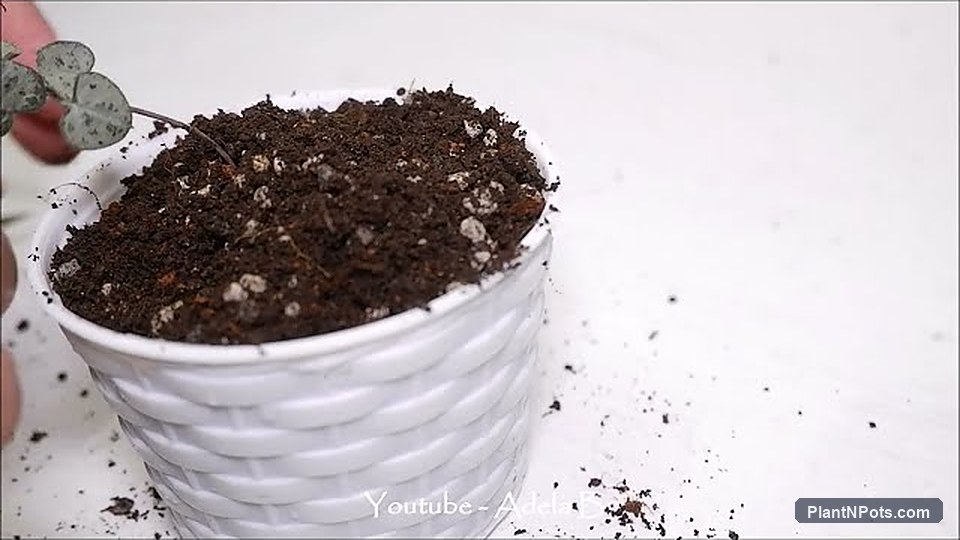
Combine equal parts of standard houseplant mix with pumice and orchid bark fragments. This coarse composition replicates natural cliffside habitats where these trailing vines thrive without heavy moisture.
Excellent aeration prevents the dense soil compaction that frequently suffocates fragile root systems. Test your custom substrate by squeezing a moistened handful; it should crumble apart effortlessly.
Avoid adding moisture-retention crystals or heavy garden topsoil to your custom container formulation. Clean, inorganic amendments guarantee the rapid drainage necessary for preventing tuberous root damage.
- Mix 50 percent inorganic grit for optimal drainage.
- Incorporate pumice or perlite to maximize root oxygenation.
- Sterilize reused garden ingredients to eliminate soil pests.
- Test moisture runoff speed before final plant installation.
Formulating the Ideal Well-Draining Substrate Mix
Standard potting soils retain far too much moisture for delicate succulent tubers, leading to fatal fungal infections. Create a customized medium by blending standard indoor potting compost with coarse perlite and calcined clay.
Incorporate horticultural pumice or crushed lava rock to create essential interstitial air pockets within the root zone. This granular aggregate structure mimics the rocky native habitat of Ceropegia woodii species.
Adding small amounts of orchid bark or coconut coir improves organic aeration without sacrificing rapid drainage performance. Aim for a final blend texture that crumbles easily in your hand without clumping into heavy masses.
Avoid garden soil entirely because it introduces compaction risks, weed seeds, and potential pathogens to indoor environments. Pre-moisten your dry custom substrate slightly before planting to ensure an even moisture distribution.
Safely Extracting and Resetting Fragile Root Systems
Begin by gently loosening the soil around the inner perimeter of the old container. Invert the pot slowly while supporting the delicate trailing stems in your open palm.
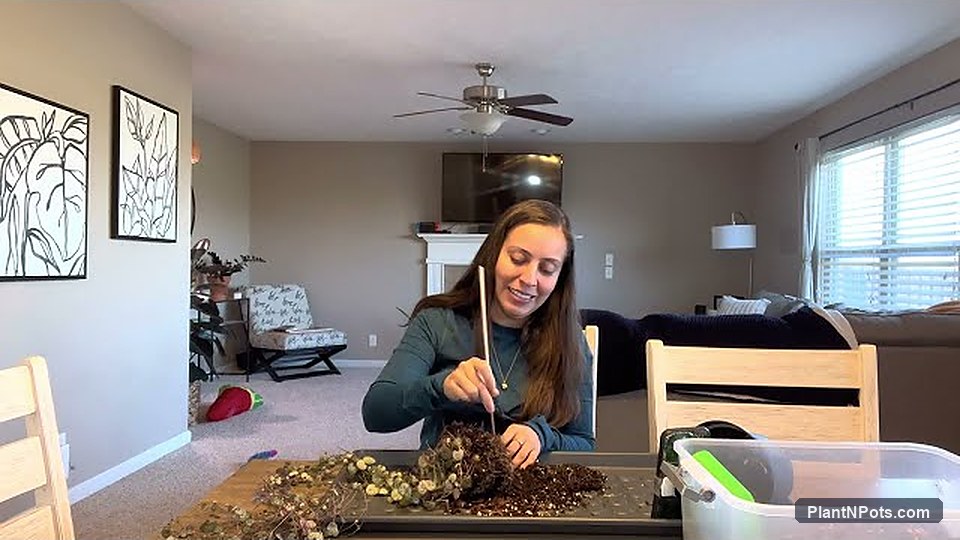
Minimize harsh pulling to prevent snapping the fragile vines or delicate tuber clusters. Tease apart tightly bound root balls using your fingers to encourage outward directional expansion.
Inspect the exposed root system thoroughly for any dark, mushy, or decaying sections. Use sterilized pruning shears to snip away damaged tissue before positioning the plant inside.
Position the plant so the soil line matches its previous depth in the vessel. Fill surrounding gaps with your fresh substrate, tapping the container gently to settle soil particles.
- Support heavy trailing stems carefully during extraction steps.
- Sterilize cutting tools with isopropyl alcohol before use.
- Keep tiny aerial tubers intact near the soil surface.
- Avoid burying the main stem base too deeply.
Managing Tangled Strands During Transfer
Long, tangled vines can frustrate even experienced indoor gardeners during routine plant maintenance. Coil the cascading stems loosely atop a secure surface to prevent accidental breakage.
Secure individual strands temporarily using soft plant clips or hair scrunchies while working. This prevents frustrating tangles and protects delicate growing tips from premature snapping damage.
- Coil long stems gently before starting the transfer.
- Use soft clips to secure loose trailing strands.
Safely Extracting and Resetting Fragile Root Systems
Gently ease the trailing vines onto a flat surface to prevent snapping the delicate, hair-thin stems near the soil line. Squeeze the flexible plastic nursery container firmly to loosen the bound root ball.
Carefully tease apart densely tangled roots using your fingers or a blunt chopstick to remove spent old soil. Avoid aggressive pulling actions that might tear the fragile underground tubers responsible for storing vital moisture.
Trim away any mushy, blackened, or completely desiccated roots using sterilized pruning shears dipped in isopropyl alcohol. Clean cutting tools prevent the accidental transmission of harmful bacteria into freshly exposed plant tissues.
Position the plant at the exact same soil depth it occupied in its previous container to prevent stem rot. Spread the tuberous roots gently across a fresh layer of your prepared potting mix.
Administering Post-Repotting Care and Initial Watering
Resist the urge to water your newly transferred trailing succulent immediately after container updates. Allow disturbed roots three to five days to heal any microscopic abrasions naturally.
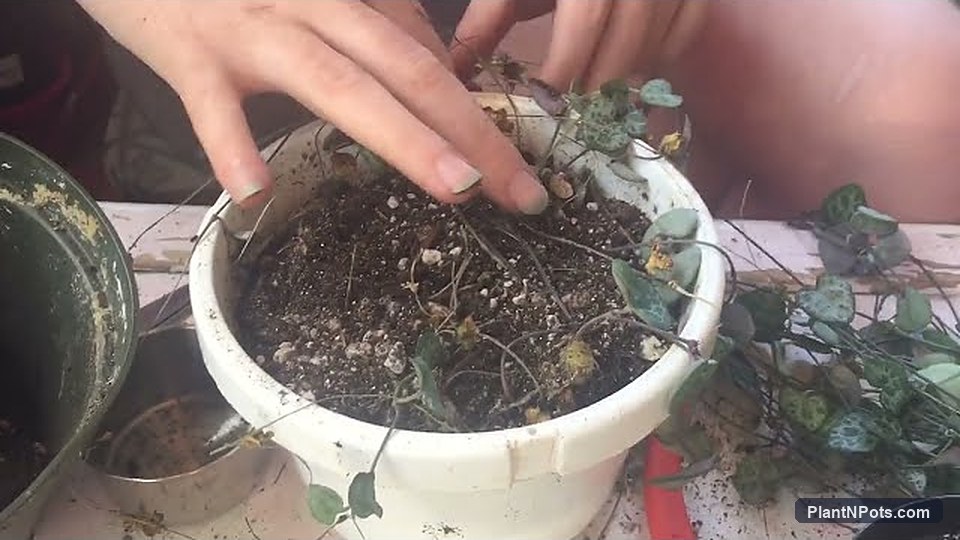
Place your potted vine in bright, indirect light away from harsh direct sunbeams. Sudden environmental shifts combined with root stress can cause unnecessary leaf drop or shock.
After the initial waiting period, administer a thorough, deep watering until liquid escapes. Ensure the excess moisture drains completely from the bottom holes before returning it.
Potted greenery housed within a porous [terra cotta urn planter](https://plantnpots.com/?p=1311) dries out much faster than specimens in glazed ceramic. Monitor top growth closely for signs of renewed vigor.
- Wait five days before giving the first drink.
- Provide bright, indirect illumination during recovery phases.
- Discard any standing saucer water immediately after soaking.
- Withhold all synthetic fertilizers for at least six weeks.
Administering Post-Repotting Care and Initial Watering
Resist the urge to water immediately if you pruned damaged roots, allowing those fresh cuts to callus over safely. For standard transfers, apply a thorough bottom-watering soak until moisture reaches the top soil surface.
Place your freshly repotted trailing plant in bright, indirect light away from harsh, direct afternoon sunbeams. Sudden high-intensity light exposure creates severe environmental stress for specimens recovering from subsurface root disturbance.
Hold off on applying any synthetic or organic liquid fertilizers for at least six to eight weeks post-repotting. Fresh substrate mixes already contain adequate nutrient levels that can easily burn sensitive recovering roots.
Monitor indoor humidity levels closely and check soil dryness weekly using a wooden moisture meter before watering again. Letting the substrate dry completely between sessions encourages deep, resilient root growth.
Troubleshooting Common Trailing Succulent Setbacks
Yellowing leaves and translucent stems usually indicate overwatering or severely compacted drainage layers. Evaluate your watering frequency and inspect root zones immediately if decline accelerates rapidly.
Wrinkled, deflated leaves often signal underwatering or extreme root damage restricting moisture uptake. Check the potting mix moisture level to determine whether hydration or root rot exists.
Leggy growth with sparse leaf spacing points toward insufficient indoor light exposure conditions. Relocate your trailing container closer to an unobstructed eastern or western window exposure.
White cottony pests hiding in stem joints require targeted isopropyl alcohol spot treatments. Address minor insect outbreaks swiftly before they spread across your cascading vine network.
- Adjust watering habits based on seasonal temperature shifts.
- Increase ambient light exposure to eliminate leggy vines.
- Treat mealybugs immediately with targeted alcohol swabs.
- Repot into grittier soil if root rot threatens.
Troubleshooting Common Trailing Succulent Setbacks
Yellowing lower leaves frequently indicate overwatering or poor substrate drainage following an unnecessary container upgrade. Allow the soil mix to dry out completely and improve surrounding indoor air circulation.
Stretched, sparse vine growth with tiny leaves points directly to insufficient light levels rather than repotting stress. Relocate your hanging container closer to an unobstructed eastern or southern exposure window.
Shriveled, deflated tubers usually mean the root system experienced extreme dehydration or severe transplant shock during handling. Soak the pot thoroughly and maintain stable, moderate indoor temperatures to promote rapid tissue recovery.
White, cottony pests hiding in stem joints indicate a mealybug infestation requiring targeted isopropyl alcohol treatments. Isolate affected trailing stems immediately to protect nearby houseplants from widespread parasitic insect damage.
Frequently Asked Questions
Do string of hearts plants prefer being root-bound?
Yes, these trailing succulents genuinely thrive when their root systems feel somewhat snug inside their containers. Forcing them into oversized pots frequently leads to fatal overwatering issues.
Can I propagate cuttings while repotting my plant?
Absolutely, you can easily snip long trailing stems and propagate them in water or moist soil. This simple method helps you create fuller hanging baskets effortlessly.
Why are the leaves on my string of hearts falling off?
Leaf drop usually stems from sudden environmental changes, overwatering, or insufficient light exposure. Check your container drainage and adjust watering intervals to restore plant health.
What type of pot is best for string of hearts?
Unglazed terracotta pots work exceptionally well because breathable clay walls promote rapid evaporation. Always ensure your chosen vessel features at least one functional bottom drainage hole.
When is the best time of year to repot?
Early spring marks the ideal window because plants enter their natural active growth phase. Repotting during this warm period ensures quick recovery from minor root disturbances.

