Discover how oversized containers impact soil moisture and root health. Master practical techniques to safely correct container sizing issues.
Key Takeaway:
Placing a plant in an oversized container drastically increases root rot risks due to prolonged soil moisture retention. Always upsize gradually by one to two inches.
Quick-Reference Guide
| Factor / Scenario | Recommended Target | Why It Matters |
|---|---|---|
| Pot Size Jump | 1 to 2 inches larger | Prevents severe overwatering |
| Soil Moisture | Dries within 7-10 days | Stops fungal pathogens |
| Drainage Layer | Expanded clay or gravel | Improves bottom airflow |
| Root Ball Ratio | Fills 70% of volume | Ensures structural stability |
| Material Choice | Terracotta or fabric | Speeds up evaporation |
| Repotting Schedule | Every 1 to 3 years | Maintains nutrient balance |
Understanding the Risks of Oversized Containers
When a plant pot is too big, excess soil retains water far longer than roots can absorb. This creates an anaerobic environment that starves root systems of essential oxygen.
Without proper airflow, beneficial microbes suffocate while harmful pathogens thrive. Recognizing this danger allows you to intervene before fatal root decay destroys your favorite botanical specimens entirely.
When soil volume vastly exceeds root mass, moisture lingers far beyond normal cycles. This extended saturation suffocates root hairs by blocking crucial oxygen diffusion, ultimately triggering pathogenic root rot within days.
Temperature dynamics also shift dramatically inside massive pots. Wet soil retains cold ambient air longer, chilling delicate root systems below safe thresholds and stalling nutrient uptake efficiency across most tropical varieties.
- Excess soil stays wet too long.
- Oxygen depletion damages root hairs.
- Fungal gnats love soggy compost.
- Growth stalls completely.
Soil Saturation Dynamics
Large volumes of wet potting mix exert heavy hydrostatic pressure against delicate root tissues. Water hangs suspended in the profile due to perched water table physics inside deep containers.
Smaller pots dry evenly because root networks permeate every cubic inch of media. Oversized vessels leave vast pockets of untouched wet soil that remain dangerously saturated for weeks.
- Water hangs suspended in deep profiles.
- Root networks fail to reach edges.
Recognizing Signs of Sizing Distress in Houseplants
Spotting early indicators of an improperly sized container saves struggling plants from irreversible decline. Look for persistent dampness on the surface layer combined with unexpected leaf yellowing across lower branches.
Stagnant growth despite regular fertilizer application often points directly to root suffocation. When soil fails to dry out within seven to ten days, your container dimensions are certainly incorrect.
Early warning signs include persistently damp soil surface layers despite weeks passing since the last watering. You might notice lower foliage yellowing alongside an unexpected lack of active growth during peak seasons.
Gently slide the root ball from its vessel and consider housing delicate epiphytes within a [best eva solo orchid pot](https://plantnpots.com/?p=2890) for maximum airflow. Healthy roots appear firm, whereas distressed specimens exhibit mushy dark tissues.
- Persistent surface mold growth.
- Wilting despite wet soil.
- Fouled or sour-smelling media.
- Complete cessation of new leaves.
Identifying Overwatering Symptoms
Leaves turn translucent or develop brown, soggy margins when roots drown in excess moisture. Do not assume thirsty foliage means more water; always check lower soil depth with a finger.
Gentle extraction reveals dark, mushy roots lacking firm white tips. Healthy roots smell earthy, whereas diseased root systems emit a foul, decomposing odor requiring immediate pruning and repotting interventions.
- Translucent leaf margins appear.
- Roots turn dark and mushy.
Video Walkthrough: Dedicate a room to your houseplants that are too big
Immediate Corrective Measures for Excess Space
If repotting immediately is impossible, you must modify your watering habits to match the vast soil volume. Apply only modest moisture directly around the central root ball zone.
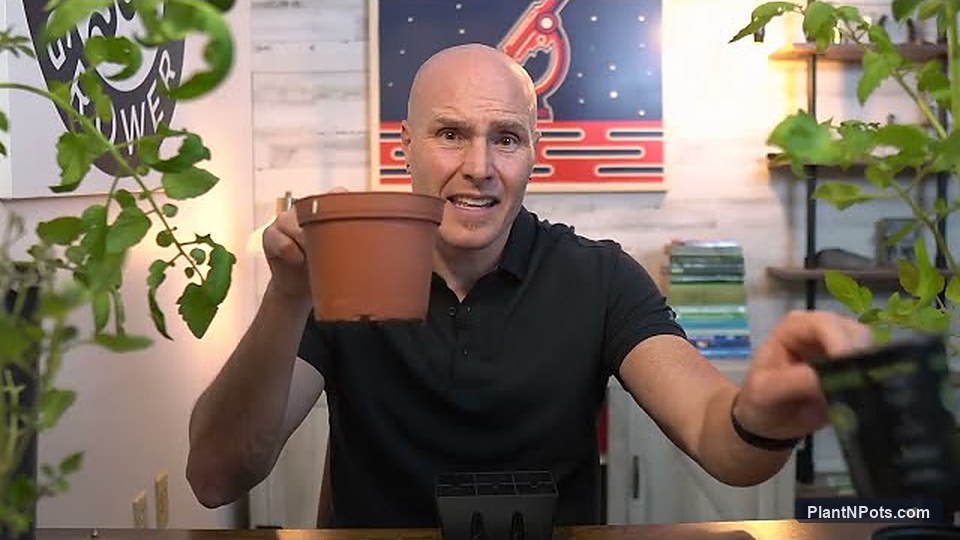
Avoid drenching the entire container until the plant establishes new roots that occupy more space. Placing a fan nearby also accelerates surface evaporation rates to protect vulnerable lower stems.
If immediate repotting is impossible, insert wooden moisture stakes deep into the potting mix to monitor subsurface dampness accurately. Enhance ambient air circulation using oscillating electric fans to accelerate evaporation rates.
Scrape away the top soil and transfer your specimen into [best big planter pots indoor](https://plantnpots.com/?p=2796) featuring superior drainage. This adjustment improves aeration while preventing surface mold proliferation under humid indoor conditions.
- Water only the center.
- Increase ambient air circulation.
- Hold off on liquid fertilizers.
- Scrape away surface crusts.
Strategic Moisture Management
Adjusting irrigation frequencies prevents waterlogging while your plant adapts to its oversized home. Use a moisture meter to gauge deep soil dampness before administering any subsequent drinks.
Promoting airflow around the base discourages surface algae and fungal blooms. Consistent monitoring during this transitional phase guarantees long-term plant survival inside large decorative ceramic planters.
- Use moisture meters accurately.
- Discourage surface algae blooms.
Step-by-Step Repotting Into Appropriate Dimensions
Correcting a sizing error requires gently removing the plant from its oversized vessel. Shake away loose, soggy soil to inspect root health and trim away dead tissue using sanitized shears.
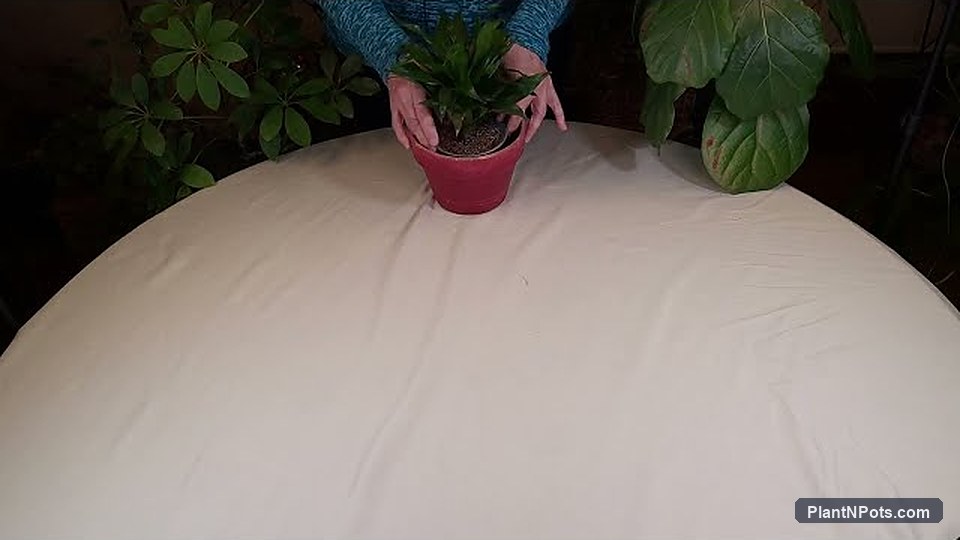
Select a container that exceeds the root ball diameter by precisely one to two inches. Fill the base with fresh potting mix designed specifically for your specific plant variety's needs.
Select a replacement container measuring only one to two inches wider than the current root ball diameter. Always verify that the bottom features adequate drainage holes to prevent future moisture pooling.
Tease apart tightly bound root structures gently before placing the plant at its exact original depth. Fill surrounding gaps with a fresh, pre-moistened potting mix, pressing it down lightly to eliminate large air pockets.
- Sanitize all pruning tools.
- Measure new pot diameter.
- Tamp soil gently down.
- Water thoroughly once finished.
Root Pruning and Soil Selection
Severe root circling or rot demands careful untangling and trimming before placement in a smaller pot. Pair this with a well-draining soil blend containing perlite, orchid bark, and peat.
Avoid packing media too tightly, as roots require adequate pore space for gas exchange. Proper soil structure ensures optimal nutrient uptake efficiency moving forward into a healthy growing cycle.
- Untangle circling root systems.
- Incorporate coarse perlite freely.
Advanced Structural Adjustments for Large Planters
Sometimes downsizing a massive decorative planter proves impractical due to weight or aesthetic constraints. Gardeners often insert a smaller nursery pot directly inside the larger decorative exterior container safely.
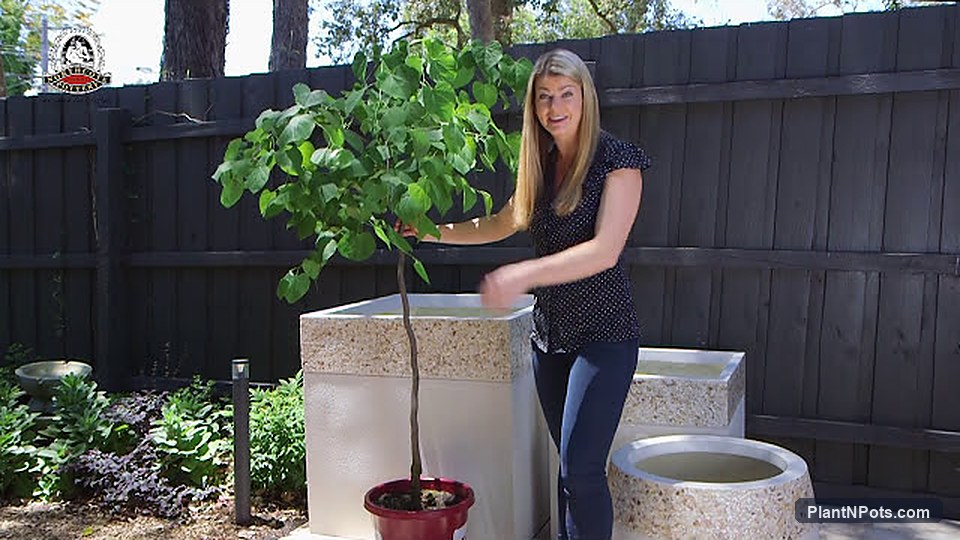
Ensure an empty air gap exists between the inner pot and the outer decorative shell. This setup prevents standing water accumulation and maintains essential drainage pathways for healthy root respiration.
For oversized planters that cannot be downsized due to heavy ornamental weights, utilize inverted plastic nursery pots as internal space fillers. This technique reduces total soil mass while maintaining proper structural stability.
Construct a robust drainage layer using lightweight expanded clay aggregates at the base of deep vessels. This method prevents perched water tables while keeping overall container weights manageable for routine home maintenance.
- Use inner nursery pots.
- Leave air gaps below.
- Empty saucer basins often.
- Check hidden moisture levels.
Using False Bottoms Safely
Creating a false bottom with inverted plastic nursery pots reduces soil volume inside deep planters. This clever trick cuts down weight and prevents harmful perched water tables from forming below.
Always cover the false bottom with landscape fabric to keep soil from trickling down. This method preserves proper aeration dynamics without demanding an entirely new heavy ceramic container purchase.
- Invert plastic pots securely.
- Add breathable landscape fabric.
Video Walkthrough: Potting on – when a plant is too big for its pot
Material Considerations for Container Gardening
Container material heavily influences how quickly surplus soil moisture evaporates after accidental over-potting. Porous vessels like unglazed terracotta allow moisture to escape through breathable clay walls much faster.
Plastic and glazed ceramic pots trap moisture inside, exacerbating the risks of an oversized pot. Selecting breathable containers mitigates human watering errors by speeding up natural soil drying cycles.
Terracotta and unglazed ceramics allow moisture to evaporate rapidly through porous walls, forgiving slight oversizing errors. Conversely, glazed ceramics and plastics retain water aggressively, exacerbating root suffocation risks in large dimensions.
Match your pot material to your home environmental conditions and watering habits. Selecting breathable containers safeguards root health when precise sizing guidelines are occasionally compromised by aesthetic choices.
- Terracotta breathes exceptionally well.
- Plastic retains heavy moisture.
- Glazed ceramics restrict evaporation.
- Fabric pots air-prune roots.
Porosity and Evaporation Rates
Understanding evaporation rates helps you balance container material with your specific indoor climate. Dry apartments demand different pot types compared to humid greenhouse environments or outdoor garden spaces.
Matching pot porosity to your watering habits protects sensitive root systems from chronic saturation. Strategic material selection remains a cornerstone of successful container gardening across all plant varieties.
- Match materials to climate.
- Protect roots from saturation.
Preventing Future Sizing Errors in Plant Care
Avoiding future container sizing mistakes starts with measuring root masses before shopping. Never jump more than two inches up in diameter when repotting fast-growing houseplants or outdoor shrubs.
Gradual scaling accommodates expanding root structures while keeping soil volumes manageable. Maintaining this disciplined approach eliminates unnecessary plant stress and ensures vibrant, thriving botanical collections year round.
Always measure both root mass diameter and current container size before purchasing new decorative vessels. Adhering to the incremental sizing rule prevents accidental leaps into excessively large permanent homes.
Keep a standardized gardening log noting species-specific root growth habits and previous container dimensions. This practice builds empirical knowledge, helping you accurately forecast future repotting timelines without guesswork.
- Measure roots before buying.
- Limit diameter size jumps.
- Assess growth rates annually.
- Keep spare pots handy.
Standard Measurement Protocols
Keep a dedicated measuring tape near your potting bench for accurate container assessments. Documenting pot sizes in a garden journal prevents future guesswork during frantic weekend repotting sessions.
Standardizing your potting process builds confidence and reduces costly botanical casualties. Careful planning ensures every green specimen enjoys an ideal root-to-soil ratio for maximum vitality.
- Keep measuring tapes nearby.
- Log pot sizes annually.
Long-Term Maintenance for Recovering Specimens
Recovering plants require gentle, attentive care as their root systems regenerate lost vigor. Provide bright, indirect light and withhold heavy fertilizers until vigorous new growth appears naturally.
Inspect root health directly and upgrade your greenery into [best terracotta pots with drainage holes](https://plantnpots.com/?p=1313) to prevent standing water. Consistent monitoring guarantees your repotted specimen enjoys sustained health.
Keep recovering specimens in stable, bright indirect light while avoiding all fertilizer applications for at least six weeks. Introducing chemical salts prematurely will burn recovering root tips and delay cellular tissue regeneration.
Water sparingly, ensuring the top third of the soil medium dries completely between irrigation sessions. Consistent monitoring fosters a healthy environment tailored for sustainable long-term root expansion.
- Provide bright indirect light.
- Withhold heavy chemical fertilizers.
- Inspect drainage ports monthly.
- Monitor new leaf production.
Monitoring Root Expansion Cycles
Check root development every spring by gently sliding the plant from its container. Healthy specimens will show a web of firm white roots tracing the inner pot edges.
Spotting early root congestion lets you time your next upgrade perfectly. Proactive maintenance prevents future shock and keeps your indoor and outdoor gardens looking spectacular all season.
- Inspect roots each spring.
- Track plant growth rates.
Frequently Asked Questions
Can I just add more drainage rocks to an oversized pot?
Adding rocks to the bottom does not solve excess moisture issues; it actually raises the perched water table closer to roots. You must fill the extra space with proper soil or choose a smaller container.
How do I know if my plant pot is too big?
Look for soil that stays wet for weeks and leaves turning yellow from lack of oxygen. If your plant shows stagnant growth in a massive container, it needs immediate downsizing.
Is it okay to plant multiple small plants in one big pot?
Yes, companion planting in a large container helps absorb excess moisture quickly. Just ensure all grouped species share similar watering needs and sunlight requirements to thrive together.
What should I do if I cannot find a smaller pot right away?
Reduce your watering frequency significantly and water only the center root zone. Placing a fan nearby will also help accelerate surface soil evaporation until you can repot properly.
Do fabric pots help prevent problems from an oversized container?
Fabric containers dramatically improve airflow and speed up soil drying cycles. They help mitigate the dangers of an oversized pot by allowing maximum breathability through soft sides.

