Master the essential steps for successfully repotting your desert rose. This guide covers proper timing, soil mixes, and safe root pruning techniques.
Key Takeaway:
Always repot your desert rose during active spring growth using a fast-draining cactus mix. Never water immediately after positioning to prevent fatal root rot.
Quick-Reference Guide
| Factor / Scenario | Recommended Target | Why It Matters |
|---|---|---|
| Repotting Frequency | Every 1 to 2 years | Prevents root crowding and nutrient depletion |
| Optimal Timing | Early spring growth phase | Aligns with natural active recovery cycles |
| Soil Porosity | High inorganic ratio | Ensures rapid water drainage and root aeration |
| Watering Delay | 7 to 10 days post-repot | Allows damaged roots to callous safely |
| Fertilizer Pause | 6 weeks minimum | Prevents chemical burn on recovering tissues |
| Container Sizing | 1 to 2 inches wider | Controls moisture retention around root zones |
Understanding Root Systems and Transplant Timing
Desert roses develop thick, water-storing caudexes and sensitive root networks that demand careful handling. Knowing when to refresh containers prevents root crowding and promotes vibrant seasonal blooms.
The ideal window for repotting occurs in early spring as daytime temperatures consistently exceed 70°F. Avoid disturbing root systems during winter dormancy when plants cannot recover quickly.
Younger specimens require container upgrades every one to two years to support vigorous stem development. Mature plants comfortably remain in the same pot for three to five years safely.
Recognize physical indicators like rapid soil drying to determine exact transplant timing. Checking your [succulent pots with drainage](https://plantnpots.com/?p=1298) reveals escaping root tips that signal urgent binding issues.
- Inspect plants exclusively during active seasonal growth phases.
- Avoid repotting blooming specimens until flowering cycles conclude.
- Prepare all fresh soil components before extracting the root ball.
- Check for soft spots on the caudex prior to handling.
Seasonal Stress Factors
Extreme summer heatwaves compromise plant recovery following root disturbance. Schedule container transitions during mild morning hours to minimize environmental shock.
Indoor humidity and reduced light levels during autumn prevent successful root regeneration. Always align your repotting schedule with natural growth triggers.
- Keep ambient workspace temperatures moderate.
- Protect bare roots from direct scorching sunlight.
Essential Soil Blends and Drainage Requirements
Standard potting soils retain excessive moisture that quickly suffocates sensitive desert rose roots. You must utilize a specialized gritty substrate with high permeability to replicate native arid conditions.
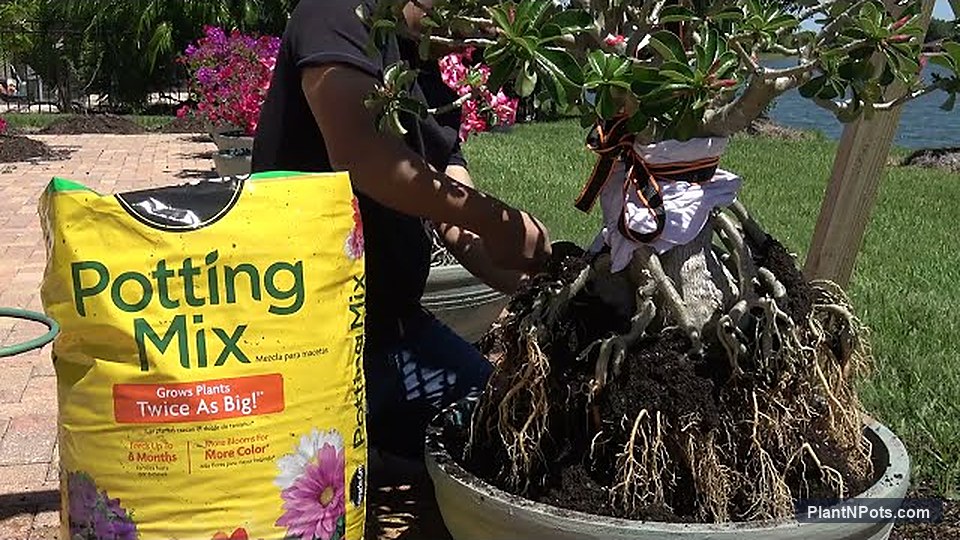
Combine equal parts coarse horticultural sand, pumice, and standard organic potting soil. This formulation ensures rapid water evacuation within seconds of thorough irrigation events.
Adding perlite or expanded clay pebbles further enhances structural aeration deep within the container. Heavy garden soil must be strictly avoided to prevent fatal root diseases.
Adequate bottom drainage remains non-negotiable for maintaining healthy caudex tissue and preventing rot. Ensure your chosen container features multiple unobstructed holes before adding substrate layers.
- Test soil drainage speed before filling new containers.
- Incorporate organic compost sparingly to limit moisture retention.
- Avoid fine sand that compacts and restricts airflow.
- Layer coarse gravel at the base for stability.
Modifying Commercial Cactus Mixes
Commercial cactus soils often contain too much peat moss for moisture-sensitive succulents. Supplement pre-bagged mixes with extra perlite and pumice to improve porosity.
Check the texture by squeezing a handful of moistened substrate firmly. A proper blend should crumble apart immediately rather than forming a dense clump.
- Sift out extremely fine dust particles from substrates.
- Sanitize reused aggregate materials before blending.
Video Walkthrough: Desert Rose – How to Repot (2026)
Choosing the Right Container Size and Material
Selecting an appropriately sized vessel prevents excessive soil moisture retention around delicate roots. Choose a pot only one to two inches wider than the previous root mass.
Unglazed terra cotta pots offer superior breathability that actively evaporates excess moisture from root zones. Plastic and fiberglass alternatives retain water longer, requiring more cautious watering schedules.
Shallow, wide containers accommodate spreading caudex shapes and lateral root systems exceptionally well. Deep pots often hold unnecessary damp soil beneath the primary root ball.
When selecting materials, consider choosing a [terracotta pot for your rose](https://plantnpots.com/?p=5046) to enhance evaporation. Heavy clay walls anchor top-heavy caudex forms securely while preventing dangerous moisture buildup.
- Match pot depth to root system architecture.
- Confirm multiple drainage holes exist prior to planting.
- Avoid oversized containers that delay soil drying.
- Select breathable materials for humid indoor environments.
Evaluating Plastic Versus Ceramic
Plastic containers remain lightweight and durable during seasonal outdoor relocation tasks. However, they lack the porous evaporation benefits provided by traditional clay ceramics.
Glazed ceramic vessels retain interior moisture similarly to plastic but offer decorative exterior finishes. Balance aesthetic preferences against your regional climate and watering habits.
- Inspect glazed pots for interior drainage clearance.
- Consider weight when moving large container specimens.
Step-by-Step Extraction and Root Pruning
Gently loosen the root ball by tapping the exterior of your current container. Never pull forcefully on the main stems, as this damages the delicate caudex.
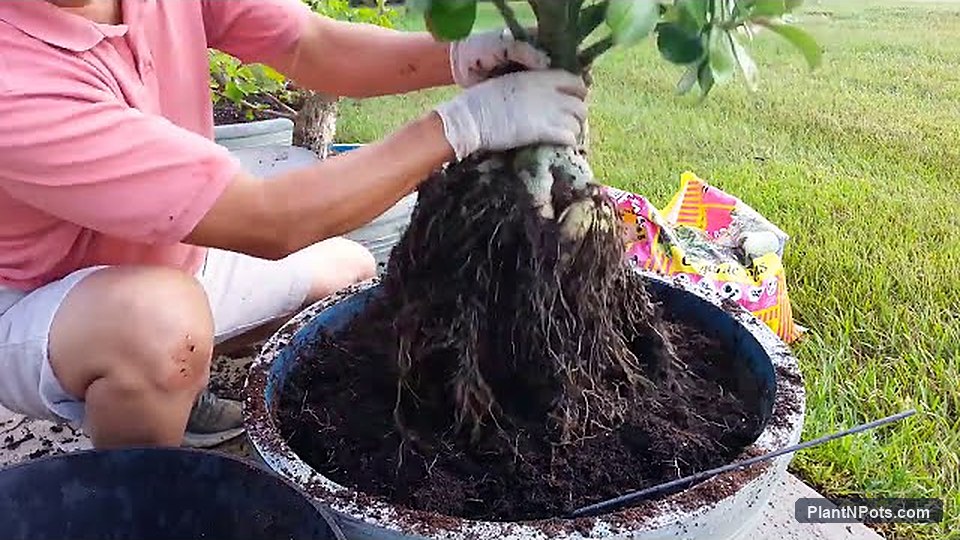
Carefully brush away old, compacted soil to expose the root network clearly. Utilizing a [quality pottery planter collection](https://plantnpots.com/?p=3228) gives you ample workspace to tease tangled roots apart safely.
Inspect all roots closely for signs of decay, discoloration, or pest damage. Sterilize sharp pruning shears with rubbing alcohol before removing any dead or rotting sections.
Trim away overly long taproots slightly to encourage dense lateral root branching structures. Allow freshly cut surfaces to callous over in dry air for several hours.
- Sterilize cutting tools between every individual plant cut.
- Remove all soggy or blackened root tissue completely.
- Brush away spent soil granules from structural roots.
- Handle the swollen caudex with extreme care.
Managing Damaged Caudex Tissue
Soft or rotting caudex spots require immediate surgical removal using sterile blades. Cut back into firm, white tissue to halt the spread of bacterial decay.
Dust exposed plant wounds with powdered sulfur or cinnamon to act as natural fungicides. Keep treated specimens completely dry until new callus barriers form.
- Use clean razor blades for precise cuts.
- Monitor healing sites daily for oozing moisture.
Repotting Technique and Caudex Positioning
Place a fresh layer of coarse substrate at the base of your sanitized container. Position the desert rose so the caudex sits slightly higher than the surrounding soil surface.
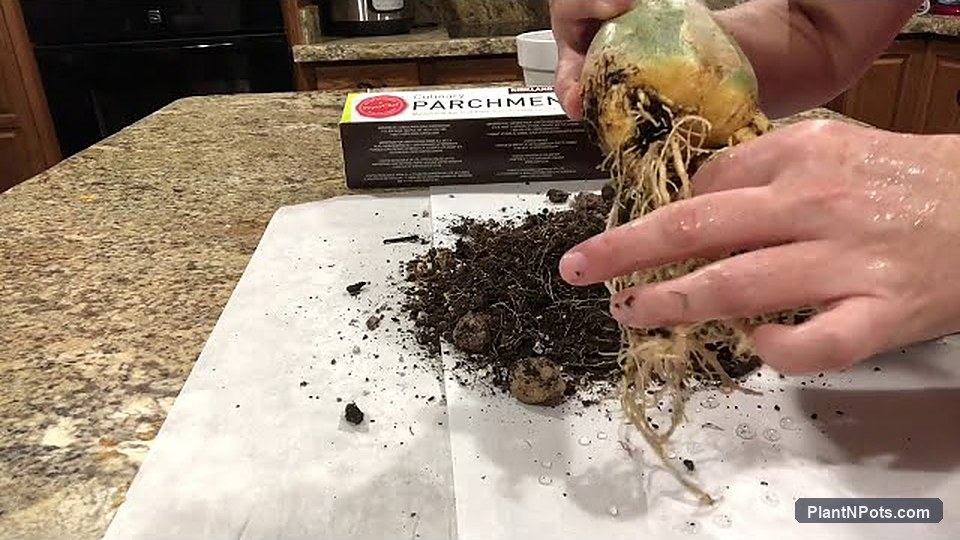
Slowly fill in around the root ball with your prepared fast-draining potting mix. Tap the pot gently to settle soil particles into empty pockets without compressing them.
Maintain proper plant elevation by supporting the main stem while adding surrounding substrate layers. Burying the swollen caudex too deeply invites moisture-related fungal rot issues.
Lift the specimen slightly by the trunk once finished to check stability and alignment. The surface soil level should match the previous planting depth precisely.
- Keep the root flare exposed above soil lines.
- Distribute substrate evenly around the root mass.
- Avoid pressing soil down with excessive physical force.
- Center the plant securely within the container perimeter.
Elevating Accent Caudex Displays
Experienced growers often raise the caudex progressively higher with each repotting cycle. This technique showcases dramatic root architectures and enhances overall ornamental appeal.
Ensure exposed upper roots receive gradual acclimatization to prevent severe sunburning damage. Protect newly elevated tissue with light shade cloths during initial weeks.
- Gradually expose roots over multiple seasonal intervals.
- Shield sensitive bark from harsh midday sunlight.
Video Walkthrough: Repotting Desert Rose (Adenium Plants) For Bigger Caudex
Post-Repotting Care and Watering Recovery
Withhold water entirely for seven to ten days following the repotting procedure. This crucial waiting period allows any microscopic root tears to callous over safely.
Keep the newly transplanted desert rose in bright, indirect light away from harsh drafts. Avoid exposing recovering specimens to direct scorching afternoon sunlight immediately.
Resume your normal deep watering routine only after the initial recovery period concludes successfully. Ensure excess water drains completely from the bottom catch tray.
Delay applying synthetic fertilizers for at least six weeks to prevent chemical root burn. Let the plant re-establish its natural biological equilibrium before feeding.
- Keep foliage dry during initial recovery phases.
- Monitor environmental humidity levels around the container.
- Check soil moisture depth before resuming regular watering.
- Provide stable ambient temperatures during recovery weeks.
Recognizing Successful Establishment Signs
Look for fresh green leaf growth emerging from branch tips as confirmation of recovery. Firm stems indicate that active water uptake has successfully resumed underground.
Persistent leaf drop or wrinkling stems signals ongoing root stress requiring immediate attention. Verify that underlying soil moisture levels remain within safe parameters.
- Observe new bud development closely.
- Check stem firmness by gentle squeezing.
Preventing Common Transplants Shocks and Rot
Overwatering immediately after container transitions remains the leading cause of fatal transplant failure. Strict adherence to dry resting periods protects vulnerable root systems from pathogens.
Using dense, moisture-retaining garden soil instead of specialized cactus mixes suffocates root structures. Always prioritize porous substrates featuring high inorganic aggregate ratios for success.
Failing to sterilize pruning equipment transfers harmful bacteria directly into fresh plant wounds. Clean all cutting tools thoroughly with rubbing alcohol before handling specimens.
Selecting containers without functional drainage holes traps standing water against delicate root tips. Always confirm unobstructed water evacuation before adding your custom soil blends.
- Never water fresh transplants before wounds callous.
- Always use clean, sterile cutting instruments.
- Prioritize gritty, fast-draining inorganic substrates.
- Ensure pots feature working drainage holes.
Emergency Recovery for Failing Plants
Unpot struggling specimens immediately if persistent stem softening or yellowing foliage occurs. Trim away decayed roots and treat remaining healthy tissue with fungicides.
Repot into completely dry, sterile substrate and withhold water until new growth appears. Patience remains vital when nursing damaged desert roses back to health.
- Inspect roots at the first sign of decline.
- Keep struggling plants in warm, shaded locations.
Frequently Asked Questions
When is the best time of year to repot a desert rose plant?
Always repot your desert rose during early spring as active seasonal growth begins. Avoid disturbing root systems during cooler autumn and winter dormancy periods.
Should I water my desert rose immediately after repotting?
Never water your plant immediately after transplanting to prevent fatal root rot. Wait at least seven to ten days so damaged roots callous over safely.
What kind of soil is best for a desert rose?
Utilize a specialized gritty cactus and succulent mix with high inorganic content. Avoid heavy standard potting soils that retain excessive moisture around sensitive roots.
Why is my desert rose caudex getting soft after repotting?
Soft caudex tissue usually indicates root rot caused by premature watering or poor drainage. Unpot the plant immediately, trim damaged tissue, and replant in dry mix.
Do desert roses prefer large pots?
Desert roses prefer snug containers only one to two inches wider than their root mass. Oversized pots hold excess moisture that easily triggers fungal diseases.

