Discover practical, non-chemical strategies to eliminate container pests and restore optimal root health in your indoor potted plants.
Key Takeaway:
Always let the top two inches of container potting soil dry completely between watering cycles to starve larvae and break the reproductive lifecycle of fungus gnats.
Quick-Reference Guide
| Factor / Scenario | Recommended Target | Why It Matters |
|---|---|---|
| Soil Drying Depth | Top 2 inches dry | Starves larvae of moisture and organic food sources |
| Water Temperature | Room temperature | Prevents thermal shock while maintaining soil biology balance |
| Topdressing Material | Fine horticultural sand | Creates an abrasive, dry physical barrier against adults |
| Bacterial Larvicide | Bacillus thuringiensis israelensis | Specifically targets gnat larvae without harming plant roots |
| Beneficial Nematodes | Steinernema feltiae | Actively hunts and consumes larvae within the root zone |
| Container Drainage | Unobstructed bottom holes | Prevents stagnant perched water tables that attract pests |
Identifying Fungus Gnats in Container Plant Soils
Fungus gnats are small, delicate flying insects that frequently hover around indoor container plants. Their annoying presence usually indicates overly wet potting soil and decomposing organic matter within your planters.
Adult gnats cause minimal direct harm to mature plants, but their voracious larvae feed heavily on root hairs. This underground damage stunts plant growth, reduces vigor, and invites secondary fungal diseases.
Spotting erratic flying patterns near the soil surface confirms an active infestation. You can also tap the container rim to startle resting adults into brief flight.
Inspecting the topsoil closely reveals tiny translucent larvae with shiny black heads. These microscopic pests thrive exclusively in perpetually damp, nutrient-rich container environments.
- Monitor yellow sticky traps placed near the container base for trapped adult gnats.
- Examine drainage holes for crawling larvae exiting the bottom of the planter.
- Check plant foliage for sudden yellowing caused by compromised root systems.
- Assess overall soil moisture retention to gauge current infestation severity levels.
Differentiating Gnats from Other Pests
Home gardeners often confuse fungus gnats with fruit flies or whiteflies. Proper identification ensures you apply the correct mitigation methods suited for container soils.
Fruit flies gravitate toward decaying food rather than damp potting mix. Whiteflies feed on plant sap and reside on the underside of leaves instead of resting on soil.
- Fungus gnats feature weak, erratic flight patterns close to the potting mix.
- Whiteflies remain stationary on foliage until disturbed by brushing or watering.
Adjusting Irrigation and Soil Moisture Protocols
Mastering watering schedules remains the most effective defense against persistent container pests. Allowing potting mixes to dry out properly eliminates the wet habitat required for gnat survival.
Insert your index finger up to the second knuckle into the substrate. If the mix feels damp below the surface, delay watering for several more days.
Avoid frequent, shallow sips of water that keep the top layer perpetually soggy. Instead, water thoroughly until it drains out, then let the medium dry out substantially.
When comparing gear and setup options, our [best soil for large planters:](https://plantnpots.com/?p=3571) breaks down key materials, sizing, and durability trade-offs.
Always empty collection saucers within thirty minutes of watering. Standing water creates a breeding ground and keeps the bottom root zone overly saturated for too long.
- Check soil moisture levels manually before every single irrigation cycle.
- Utilize moisture meters calibrated for specific container soil mixes.
- Ensure ambient room humidity matches the specific plant watering requirements.
- Increase indoor air circulation using oscillating fans to speed up evaporation.
Bottom Watering Techniques for Containers
Bottom watering prevents the topsoil layer from staying damp. Place your nursery pot inside a basin filled with water for twenty minutes.
The root ball absorbs moisture upward via capillary action, leaving the surface dry. This simple shift successfully starves developing gnat larvae of essential moisture.
- Fill a shallow tray with two inches of room-temperature water.
- Allow pots with drainage holes to absorb moisture from the base.
Video Walkthrough: Introduction
Applying Surface Topdressings and Physical Barriers
Physical topdressings create an inhospitable barrier that prevents adult gnats from laying eggs in moist soil. These materials dry out rapidly, breaking the continuous breeding cycle.
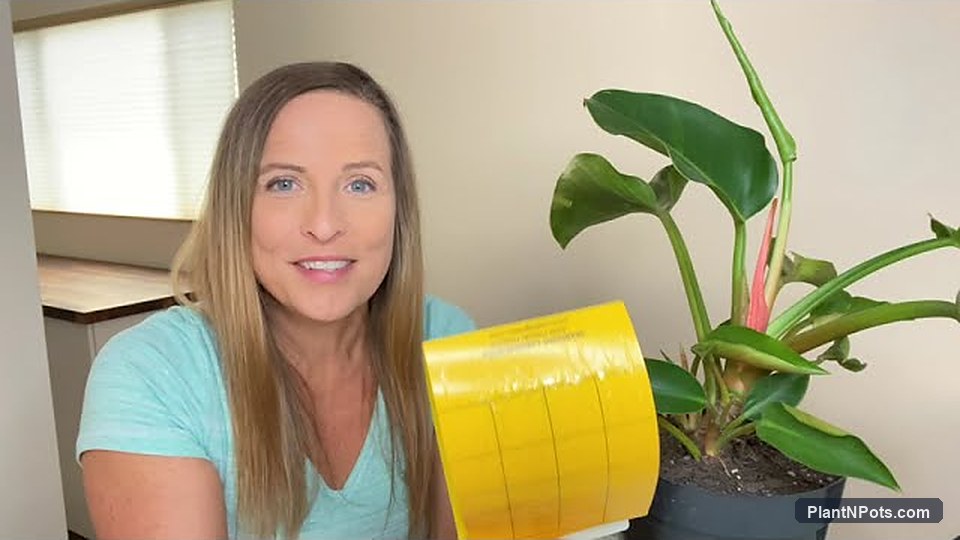
Spread a half-inch layer of fine horticultural sand evenly across the exposed potting mix surface. Sand dries quickly after watering and deters egg-laying females effectively.
Alternatively, decorative pea gravel or coarse perlite works well for larger containers. Ensure you cover the entire soil surface completely without leaving any gaps.
Avoid using standard garden soil or heavy compost for topdressing applications. These organic materials retain moisture and defeat the primary purpose of the protective barrier.
- Apply a uniform layer of fine horticultural sand over the soil.
- Cover all gaps near the container rim and plant stems completely.
- Replenish the physical barrier if shifting occurs during routine plant care.
- Keep the topdressing material as dry as possible between irrigation sessions.
Alternative Porous Topdressing Materials
Expanded clay pebbles offer a lightweight alternative for large indoor planters. Their porous structure promotes rapid surface evaporation and discourages pest activity.
Ensure the pebbles allow adequate airflow around the base of the stems to prevent moisture accumulation and subsequent stem rot issues.
- Distribute lightweight expanded clay evenly across the pot surface.
- Maintain a dry surface zone to discourage adult gnats from landing.
Deploying Biological Controls and Beneficial Nematodes
Beneficial nematodes provide an organic, highly effective solution for severe underground infestations. These microscopic roundworms actively hunt and consume gnat larvae inside the potting mix.
Mix the nematode powder into cool water according to package directions. Apply the suspension evenly across your container soil using a standard watering can.
Keep the treated potting soil moist for at least two weeks following application. Adequate moisture ensures the nematodes survive and eradicate the hidden larvae population.
These beneficial organisms are entirely safe for plant roots, household pets, and humans. They target only soft-bodied insect pests residing within the enclosed container environment.
- Purchase fresh packaged nematodes suited for indoor container gardening.
- Apply the nematode solution during evening hours to avoid bright light.
- Maintain consistent soil moisture to support active nematode movement.
- Repeat the treatment after two weeks if the infestation was severe.
Handling and Storage of Live Nematodes
Live nematodes require careful handling to maintain their biological efficacy. Store unused packages in a refrigerator until you are ready to mix them.
Avoid using chlorinated tap water directly when mixing your nematode solution. Let tap water sit out overnight to dissipate harsh chemicals before application.
- Check expiration dates on nematode packaging prior to purchasing.
- Use dechlorinated water to protect beneficial organisms during mixing.
Utilizing Microbial Larvicides and Bacterial Treatments
Bacillus thuringiensis israelensis is a naturally occurring soil bacterium that targets gnat larvae. It produces specialized proteins that destroy the digestive tracts of feeding larvae.
Dissolve concentrated mosquito dunks containing this beneficial bacterium in your watering can. Allow the active agents to steep in the water for several hours before use.
Water your container plants with this treated solution during routine irrigation cycles. The bacteria eliminate active larvae without altering overall soil pH or chemistry.
Consistent weekly applications break the reproduction cycle by neutralizing newly hatched larvae. Combine this treatment with sticky traps to catch surviving adult fliers.
- Steep bacterial larvicide tablets in water before container irrigation.
- Apply the treated mixture consistently for three consecutive watering cycles.
- Store unused microbial products in a cool, dry indoor location.
- Monitor plant health response to ensure optimal recovery from damage.
Combining Sticky Traps with Bacterial Drenches
Yellow sticky cards capture adult flying gnats while bacterial drenches kill larvae. This dual approach attacks pests at both ends of their lifecycle.
Place bright yellow cards near the base of the plant stem or push them directly into the potting soil mix for maximum catch rates.
- Insert yellow sticky cards firmly into the container soil.
- Replace saturated traps regularly to maintain effective catching surfaces.
Video Walkthrough: 5 Tips to Get Rid of Fungus Gnats in Your Houseplants Soil
Executing Strategic Repotting for Heavy Infestations
Severe infestations may require a complete soil replacement to save stressed plants. Carefully unpot the plant and inspect the root ball for signs of decay.
Gently shake away old, contaminated potting soil from the root system. Rinse the roots thoroughly under lukewarm water to remove lingering microscopic larvae and eggs.
Sterilize your container thoroughly using a mild bleach solution and warm water. Scrub all interior surfaces to eliminate hidden pest eggs before replanting.
Repot your plant using a fresh, well-draining soil mix designed for containers. Avoid reusing old substrate unless you sterilize it thoroughly via heat treatments.
- Remove contaminated potting mix outdoors to prevent indoor spread.
- Wash root systems gently with lukewarm water to remove pests.
- Sanitize empty containers using a diluted disinfectant solution.
- Select fresh, sterile soil formulated with perlite and bark.
Choosing High-Quality Container Soil Mixes
Select sterile commercial potting mixes that feature coarse ingredients. Avoid bargain soils stored outdoors in wet piles, which often harbor pests.
Incorporate extra perlite or pumice to improve aeration and speed up drainage within the root zone.
- Purchase bags stored inside dry retail environments.
- Mix in coarse perlite to enhance overall drainage capacity.
Optimizing Potting Mix Composition and Drainage
Poor drainage creates the exact saturated conditions that fungus gnats love. Upgrading your potting mix composition prevents standing water and improves plant health.
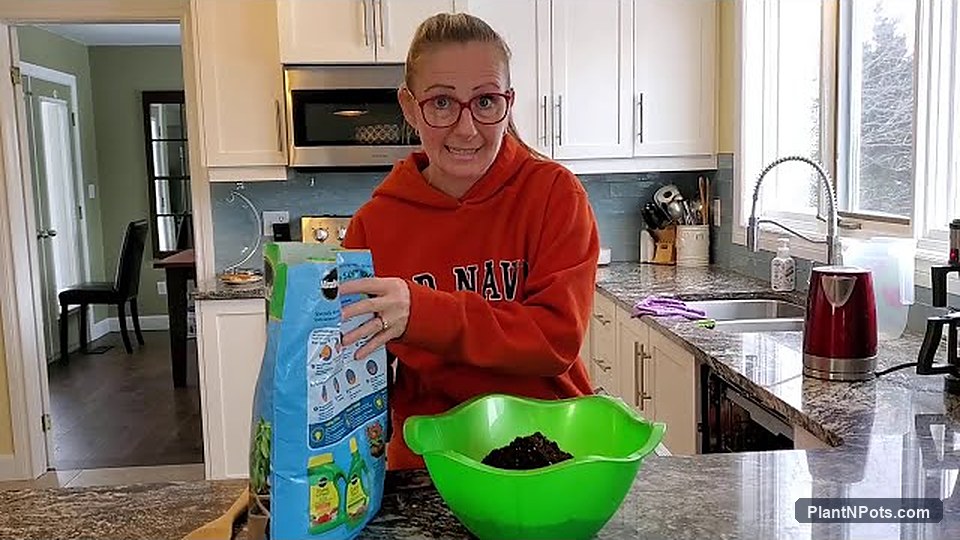
Incorporate organic amendments like pine bark chips and coarse sand. These materials create large pore spaces that promote rapid water drainage and root oxygenation.
Verify that your container features adequate drainage holes at the base. Blocked holes trap perched water tables and invite persistent root-zone pest problems.
Avoid placing solid gravel at the bottom of containers. This practice actually raises the saturation zone closer to the roots rather than improving overall drainage.
- Ensure containers have functional drainage holes at the bottom.
- Mix bark chips and perlite into standard potting substrates.
- Elevate containers slightly on pot feet to improve airflow underneath.
- Avoid putting solid gravel layers at the base of planters.
Evaluating Container Material Porosity
Porous containers like unglazed terracotta allow moisture to evaporate through the walls. This natural drying action helps prevent soggy soil conditions.
Glazed ceramic and plastic pots retain moisture much longer. Adjust your watering frequency accordingly when using non-porous container materials.
- Use terracotta pots for plants requiring faster soil drying.
- Monitor moisture retention closely when using plastic planters.
Implementing Long-Term Monitoring Protocols
Preventing future outbreaks requires ongoing vigilance and consistent maintenance habits. Inspect your indoor plant collection weekly to catch early warning signs quickly.
Keep yellow sticky cards stationed near susceptible houseplants year-round. These monitors alert you to pest presence before populations explode into severe infestations.
Quarantine new houseplants for at least two weeks before introducing them to your main collection. This simple habit prevents transferring hidden pests to healthy plants.
Maintain clean indoor growing areas by removing fallen leaves and decaying debris from the soil surface. Organic litter provides food and shelter for developing pests.
- Inspect indoor plant collections on a weekly schedule.
- Maintain permanent yellow sticky traps for continuous monitoring.
- Quarantine newly acquired plants away from established collections.
- Clear fallen leaves and plant debris from topsoil surfaces.
Seasonal Watering Adjustments for Indoor Plants
Indoor plants require less water during darker winter months due to reduced light levels and slower metabolic rates. Reduce watering frequency accordingly.
Failing to adjust watering schedules during winter creates stagnant soil conditions that easily attract opportunistic fungus gnats.
- Reduce watering volume during low-light winter months.
- Allow soil to dry deeper down during cooler seasonal transitions.
Frequently Asked Questions
Can fungus gnats harm my healthy indoor plants?
Adult gnats do not damage plants, but their hungry larvae feed on delicate root hairs. This underground damage stunts overall growth and weakens your indoor specimens significantly.
How long does it take to eliminate an infestation completely?
Most infestations resolve within two to three weeks of consistent treatment. Combining surface drying with bacterial larvicides breaks the pest lifecycle rapidly.
Should I throw away potting soil infested with fungus gnats?
You do not need to discard the soil unless the plant is severely damaged. Letting the mix dry out and applying beneficial treatments solves the problem.
Why do fungus gnats keep returning to my houseplants?
Recurring pests usually indicate chronic overwatering or poor drainage in your containers. Adjusting your irrigation habits stops them from coming back permanently.
Are home remedies like hydrogen peroxide safe for plant roots?
A diluted hydrogen peroxide drench kills larvae on contact safely. Ensure you mix it properly with water to avoid causing chemical stress to roots.

