Master proven container gardening methods to eradicate fungus gnats from your indoor plants. Restore healthy soil moisture balance and protect delicate root systems.
Key Takeaway:
To effectively eliminate fungus gnats, you must target both the flying adults and subterranean larvae. Combine drying topsoil with BTI biological larvicides for total control within three weeks.
Quick-Reference Guide for Gnat Eradication
| Factor / Scenario | Recommended Target | Why It Matters |
|---|---|---|
| Soil Moisture Depth | Top 2 inches dry | Deprives larvae of essential hydration and organic matter. |
| Hydrogen Peroxide Mix | 1 part 3% solution to 4 parts water | Instantly kills soft-bodied larvae on contact without harming roots. |
| BTI Application Interval | Every 7 to 14 days | Interrupts the reproductive cycle by targeting newly hatched eggs. |
| Sand Barrier Thickness | 1/2 inch of coarse sand | Prevents adult females from accessing damp soil to lay eggs. |
| Yellow Trap Placement | Soil surface level | Attracts and captures flying adults before mating occurs. |
| Watering Technique | Bottom watering pots | Keeps the surface layer consistently dry while roots drink. |
Identifying Fungus Gnats and Distinguishing Them From Pests
Fungus gnats are tiny, fragile flying insects that hover near your indoor potted plants. They are frequently confused with fruit flies, but gnats prefer damp potting mix over ripening kitchen produce.
Adult fungus gnats measure roughly one-eighth of an inch long and possess weak flight patterns. They spend most of their short adult lives walking across soil surfaces and lower stem bases.
While adult gnats do not bite humans or damage mature foliage, their subterranean larvae feed on fine root hairs. Severe infestations stunt plant growth, weaken root systems, and invite secondary fungal pathogens.
Inspect your container drainage holes and soil surface regularly for signs of tiny white larvae, ensuring every [pot for indoor basil](https://plantnpots.com/?p=6430) remains free from destructive pests.
- Examine potting mix closely for microscopic, worm-like larvae with black heads.
- Check saucer trays beneath containers for standing water and trapped insects.
- Distinguish fungus gnats from fruit flies by noting their attraction to damp soil.
- Monitor yellow leaves or unexpected wilting as potential signs of heavy larval feeding.
Pinpointing the Source of Indoor Infestations
Indoor gnats typically enter homes via newly purchased nursery plants or bags of unsterilized potting mix. Keeping new additions isolated helps protect your established container garden from sudden outbreaks.
Overwatering creates the ultimate breeding ground for these moisture-loving pests. Allowing containers to dry out properly between watering sessions remains the single most effective deterrent.
- Isolate new plant purchases for two weeks before placing them near other containers.
- Store opened bags of potting soil inside airtight plastic bins to deter pests.
Controlling Soil Moisture and Implementing Dryout Cycles
Fungus gnat larvae require consistently moist organic matter and high humidity to complete their life cycle. Letting the top layer of soil dry out completely breaks this vulnerable reproductive chain.
Insert your index finger roughly two inches deep into the potting mix before adding water. If the soil feels damp at that depth, delay watering for another few days safely.
Adopting proper bottom watering keeps the topsoil dry, pairing well with hardy [evergreen shrubs for pots](https://plantnpots.com/?p=3525) that thrive in breathable containers designed for optimal moisture control.
Terracotta planters promote faster soil evaporation compared to glazed ceramic or plastic pots. Selecting breathable container materials naturally reduces the moisture retention favored by persistent fungus gnat populations.
- Test soil moisture depth with a wooden chopstick before every watering session.
- Allow the top two inches of substrate to dry completely between irrigation cycles.
- Utilize unglazed terracotta pots to accelerate evaporation rates in humid indoor spaces.
- Empty saucers promptly to prevent standing water from saturating container drainage holes.
Adjusting Watering Frequencies During Cooler Seasons
Houseplants naturally consume less water during autumn and winter months due to reduced daylight. Adjusting your watering routine prevents stagnant dampness that encourages recurring gnat outbreaks indoors.
Ensure your indoor living spaces maintain adequate air circulation using oscillating fans. Good ventilation speeds up surface drying and discourages adult gnats from lingering near containers.
- Reduce standard watering schedules by half during low-light winter months.
- Position indoor fans to circulate gentle air currents across plant displays.
Video Walkthrough: 10 Ways Prevent \u0026 Kill Fungus Gnats in Seedlings and Houseplants
Administering Hydrogen Peroxide Drenches for Immediate Larval Relief
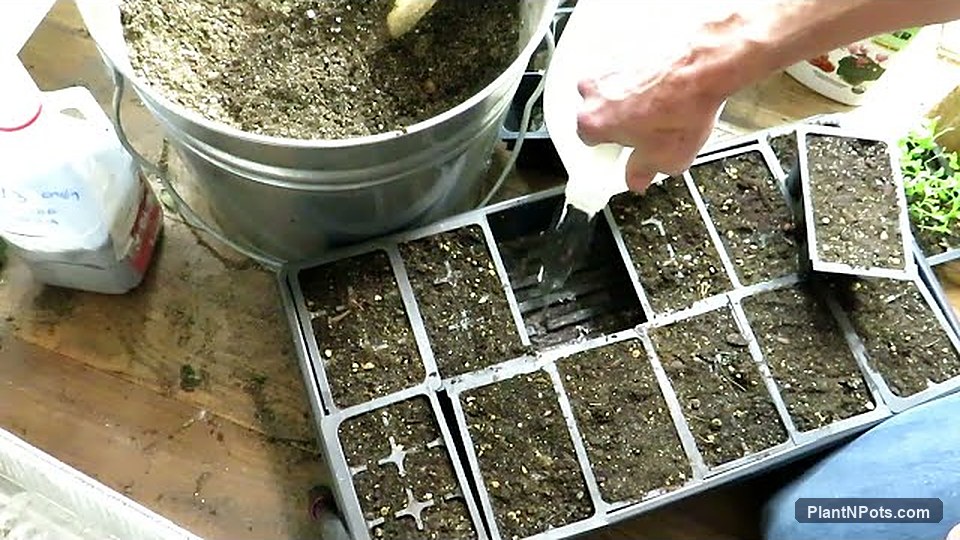
A diluted hydrogen peroxide soil drench offers a fast-acting, chemical-free way to destroy active larvae. The bubbling action oxidizes organic matter and eliminates soft-bodied pests instantly upon direct contact.
Mix one part standard 3 percent hydrogen peroxide with four parts room-temperature water. Stir the liquid thoroughly to ensure even distribution before applying it directly to container soil.
Water your potted plant normally first to prevent chemical burn on delicate root hairs. Pour the peroxide mixture slowly over the soil until it begins draining freely from the bottom holes.
You will hear a distinct fizzing sound as the solution reacts with soil microbes and larvae. This harmless chemical reaction subsides quickly, leaving behind clean oxygen molecules and water.
- Always dilute 3 percent hydrogen peroxide thoroughly to protect sensitive plant roots.
- Pre-moisten dry potting soil before applying any peroxide treatment solutions.
- Repeat the soil drench process every seven to ten days if pests persist.
- Never use concentrated industrial-grade peroxide formulations for indoor container plant maintenance.
Safety Precautions When Handling Peroxide Solutions
Wear standard utility gloves to prevent skin dryness while mixing and pouring hydrogen peroxide drenches. Store bottles in dark, cool cabinets away from direct sunlight to preserve potency.
Test the solution on a single expendable houseplant before treating rare specimens. This precaution ensures your specific potting mix formulation tolerates the oxidative treatment without stress.
- Store household peroxide containers safely out of reach of children and pets.
- Perform a patch test on minor plant varieties before widespread application.
Utilizing Biological Controls With BTI Mosquito Dunks
Bacillus thuringiensis subspecies israelensis, commonly known as BTI, provides a targeted biological control for gnats. This naturally occurring bacterium produces specialized proteins toxic exclusively to mosquito and gnat larvae.
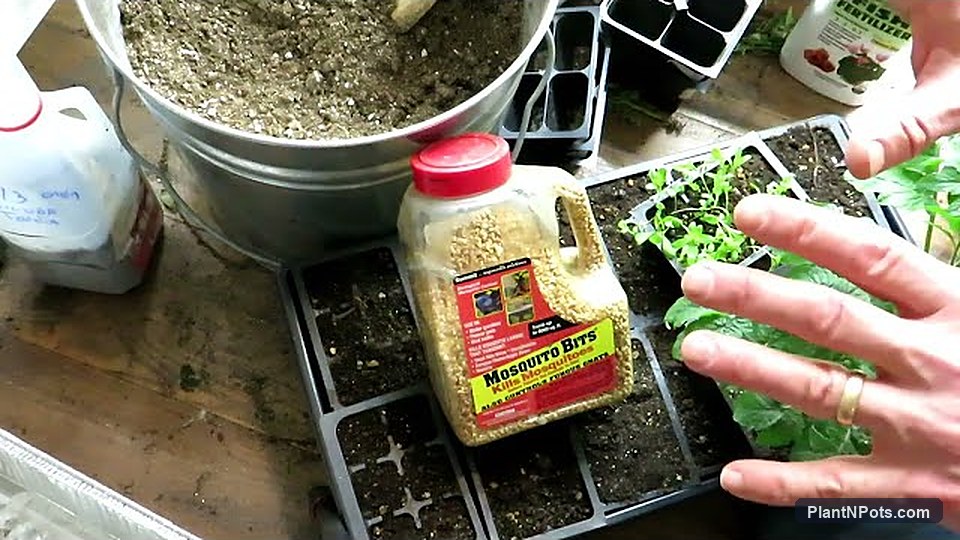
Crush a small portion of a mosquito dunk tablet and dissolve it inside your watering can. Allow the active biological agents to steep in the water for several hours before application.
Water your potted plants using this BTI-infused mixture every time hydration is required. The microscopic bacterial spores remain active in the soil matrix, eliminating newly hatched larvae continuously.
This biological method is completely safe for humans, pets, beneficial earthworms, and mature plant roots. It represents the gold standard for long-term organic container gardening pest management strategies.
- Soak crushed mosquito dunks in water overnight to release active bacterial spores.
- Apply the treated water consistently during regular container irrigation routines.
- Store unused BTI dunks in dry environments to maintain biological efficacy.
- Combine BTI treatments with yellow sticky traps for comprehensive multi-stage control.
Sourcing and Preparing BTI Granules for Small Pots
Granular BTI products offer an alternative application method for homeowners managing numerous houseplants. Sprinkle a pinch of granules directly onto the soil surface before watering containers normally.
As water flows through the granules, active spores wash down into the root zone. This continuous release targets subterranean larvae effectively without requiring pre-mixing liquid batches.
- Sprinkle measured granular BTI evenly across the topsoil of affected pots.
- Water gently to activate granules without disturbing the topsoil layer.
Deploying Yellow Sticky Traps to Capture Flying Adults
Yellow sticky traps target adult fungus gnats actively flying around your indoor potted plants. The bright chromatic yellow shade mimics optimal feeding environments, drawing insects directly to the adhesive.
Insert small adhesive cards vertically into the potting mix near the base of stems. Position traps roughly one inch above the soil surface where adult activity peaks daily.
Replace used sticky cards once their surfaces become covered with captured insects or debris. Regular replacement ensures maximum catching power and prevents trapped pests from escaping.
While sticky traps do not eliminate subterranean larvae directly, capturing flying females stops reproduction. This drastically reduces the total population size within two to three weeks of deployment.
- Place yellow sticky cards firmly into the soil of every infested container.
- Position traps close to the soil line where adult gnats crawl and hover.
- Replace sticky cards bi-weekly or whenever surfaces accumulate excessive dust and gnats.
- Keep adhesive cards away from trailing foliage to prevent accidental leaf damage.
Alternative Mechanical Trapping Methods for Indoors
Homemade cider vinegar traps offer a supplementary method for capturing flying adult pests indoors. Mix apple cider vinegar with a drop of dish soap inside a small shallow dish.
Place the small bowl near your troubled containers to attract wandering adult insects. The soap breaks surface tension, causing attracted gnats to sink and drown quickly.
- Add a single drop of liquid dish soap to break vinegar surface tension.
- Clean and refresh vinegar traps every few days to maintain attraction.
Creating Physical Barriers With Coarse Sand Layers
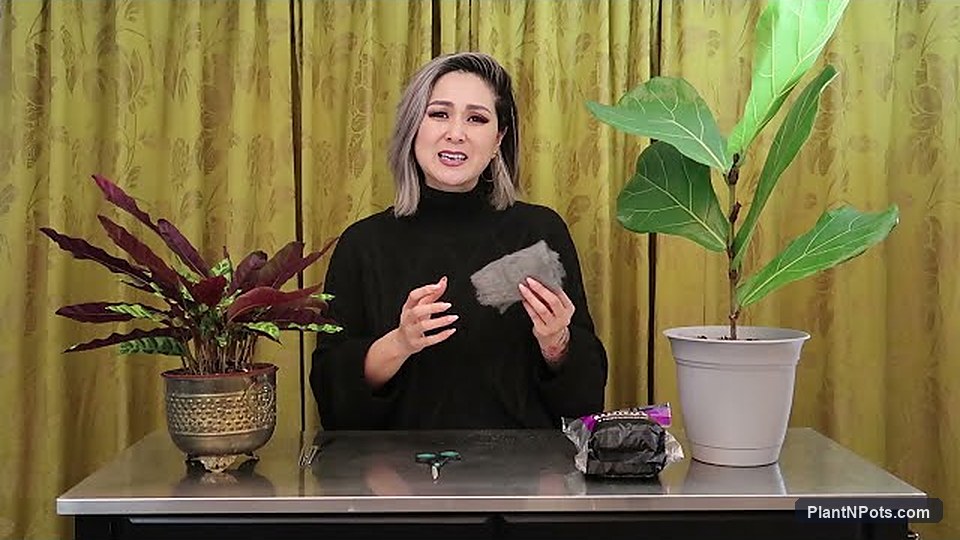
Applying a physical barrier across your container soil prevents adult gnats from accessing damp organic matter. Female insects cannot burrow through dense mineral layers to deposit new eggs safely.
Spread a half-inch layer of coarse builder sand evenly across the entire potting surface. Avoid using fine playground sand, as it compacts tightly and retains moisture undesirably.
Ensure the sand layer covers all exposed organic potting mix right up to the stem. Allow the mineral layer to dry out completely between watering sessions for optimal barrier performance.
This mineral topdressing also improves indoor aesthetics while keeping container fungus gnats contained. It provides a clean, professional finish suited for modern interior plant displays and arrangements.
- Use coarse builder sand or horticultural grit rather than fine playground sand.
- Apply a uniform half-inch barrier across the entire exposed soil surface.
- Keep the sand layer dry by watering carefully beneath the barrier level.
- Replenish sand layers if shifting occurs during routine plant maintenance tasks.
Alternative Topdressing Materials for Container Plants
Decorative pea gravel or polished glass stones also function as effective physical gnat barriers. Select stones sized between one-quarter and one-half inch for optimal drainage and airflow.
Ensure heavier topdressings do not suffocate delicate succulent roots or retain excessive humidity. Monitor underlying soil moisture levels carefully with a wooden probe before watering.
- Choose smooth pea gravel for an attractive, heavy physical gnat barrier.
- Verify that rock topdressings allow adequate air exchange with underlying soil.
Preventing Future Infestations and Maintaining Healthy Containers
Preventing future gnat infestations requires diligent cultural practices and proper container hygiene habits. Maintaining balanced soil moisture and robust plant vigor naturally discourages recurring pest population outbreaks.
Inspect all drainage holes and saucers monthly to ensure water never accumulates stagnantly. Clean saucer trays with warm soapy water periodically to remove residual organic debris and pest eggs.
Choose high-quality, sterilized commercial potting mixes formulated specifically for indoor container gardening. Avoid using garden soil or uncomposted outdoor compost, which frequently harbors dormant insect pests.
Prune away dead leaves and fallen plant debris from the soil surface promptly. Removing decaying organic matter eliminates the primary food source that sustains developing fungus gnat larvae populations.
- Clean plant saucer trays monthly to eliminate hidden pest eggs and debris.
- Select sterile, high-grade indoor potting mixes free from outdoor garden soil.
- Clear fallen leaves and decaying organic matter from container soil surfaces daily.
- Quarantine new plant acquisitions to protect established indoor collections from pests.
Long-Term Container Maintenance Best Practices
Establish a routine maintenance schedule that includes soil aeration and moisture checks, especially when growing specimens inside [2 inch clay pots](https://plantnpots.com/?p=1888) where space is limited.
Repot rootbound plants into properly sized containers with fresh, nutrient-rich potting mix. Healthy, vigorous plants resist pest pressures much better than stressed, root-restricted specimens.
- Aerate topsoil gently with a fork to improve oxygen flow and drying.
- Repot container plants every two years using fresh, sterile potting substrate.
Frequently Asked Questions
How long does it take to completely kill gnats in potted plants?
Complete eradication typically takes three to four weeks of consistent treatment. You must target both flying adults and subterranean larvae simultaneously to break their reproductive cycle.
Can fungus gnats harm my healthy indoor houseplants?
Adult gnats do not harm mature foliage, but heavy larval infestations damage fine root hairs. Severe feeding can stunt growth and weaken young container plants significantly over time.
Why do my potted plants keep getting fungus gnats repeatedly?
Persistent outbreaks usually stem from chronic overwatering and poor soil drainage. Allowing the top two inches of soil to dry out will stop future recurring infestations.
Are Mosquito Dunks safe to use around indoor pets?
Yes, BTI products are completely non-toxic to humans, mammals, birds, and household pets. They target only specific insect larvae safely within your container potting soil.
Should I repot my infested plant into fresh soil immediately?
Complete repotting is rarely necessary unless the soil has broken down entirely. Using BTI treatments and yellow sticky traps usually resolves infestations without stressing plant roots.

