Discover exact container capacities needed for healthy tomato plants. Master fabric pot selection to maximize your seasonal harvest.
Key Takeaway:
Choose a minimum 5-gallon capacity for dwarf tomatoes and at least 15 gallons for large indeterminate cultivars to ensure adequate root development.
Quick-Reference Guide
| Factor / Scenario | Recommended Target | Why It Matters |
|---|---|---|
| Dwarf & Micro Tomatoes | 3 to 5 Gallons | Saves space while fitting compact root structures perfectly. |
| Determinate Varieties | 7 to 10 Gallons | Supports bush growth without stunting mid-season fruit production. |
| Indeterminate Vining | 15 to 20 Gallons | Prevents severe root crowding and heavy summer water stress. |
| Fabric Material | Non-Woven Geotextile | Provides natural root pruning and superior air exchange. |
| Soil Mix Ratio | 60% Compost & Perlite | Balances moisture retention with essential container drainage. |
| Watering Frequency | Daily in Mid-Summer | Compensates for rapid evaporation through fabric walls. |
Anatomical Needs of Container Tomatoes
Tomatoes develop aggressive, deep-reaching root systems that require substantial physical space. Restricting these roots quickly stunts overall plant vigor and limits fruit yields.
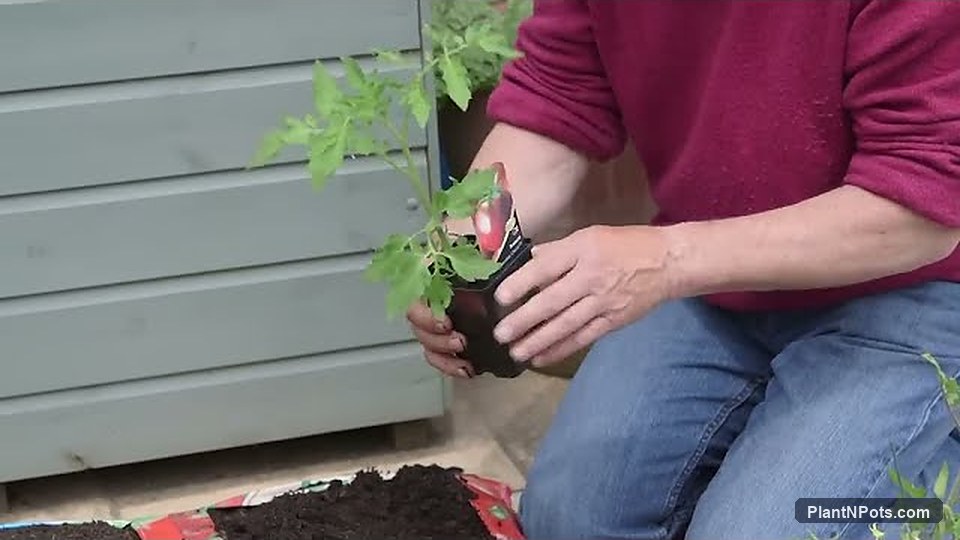
Fabric grow bags offer unique biological advantages over traditional plastic pots. The breathable material naturally air-prunes roots, preventing plants from becoming root-bound during peak growth.
When comparing gear and setup options, our [best grow bag for tomatoes:](https://plantnpots.com/?p=6648) breaks down key materials, sizing, and durability trade-offs.
Understanding these underground mechanics helps you choose the correct volume. Without adequate soil volume, plants struggle to absorb sufficient water and essential nutrients all summer long.
Container selection directly dictates your final harvest volume. Investing in properly sized fabric containers eliminates guesswork and sets your edible garden up for success.
Tomatoes develop extensive root systems requiring adequate physical space. A mature indeterminate plant demands deep vertical soil profiles to anchor heavy fruit loads safely without tipping over or snapping stems prematurely.
Adequate aeration is vital for underground root health. Fabric grow bags naturally air-prune roots, preventing circular root binding and encouraging a dense, fibrous network that efficiently absorbs vital moisture and micronutrients.
Thermal regulation dictates how fast roots uptake water. Excessively hot containers cook delicate root hairs, halting nutrient transport. Breathable non-woven geotextiles dissipate excess heat, maintaining optimal soil temperatures during peak summer afternoons.
Strong structural architecture starts below the surface. Selecting the right volume ensures your tomato plant establishes a stable subterranean foundation capable of supporting hundreds of heavy tomatoes throughout the grueling growing season.
- Root systems can easily reach depths exceeding two feet in loose soil.
- Air pruning encourages dense, fibrous root networks instead of circling mats.
- Larger volumes buffer against extreme summer heat fluctuations.
- Adequate root space prevents premature leaf yellowing and nutrient lockout.
The Science of Fabric Air Pruning
When roots reach the breathable fabric wall, ambient air prunes the root tips. This triggers the plant to generate lateral feeder roots rather than circling.
This natural process maximizes nutrient uptake efficiency within the limited container footprint. Your tomato plant stays healthier and produces more fruit.
- Stops roots from girdling inside smooth plastic containers.
- Enhances overall nutrient and water absorption rates.
Matching Container Volume to Plant Varieties
Different tomato cultivars have vastly different growth habits and mature sizes. Pairing the right bag size with your specific plant variety ensures healthy structural development.
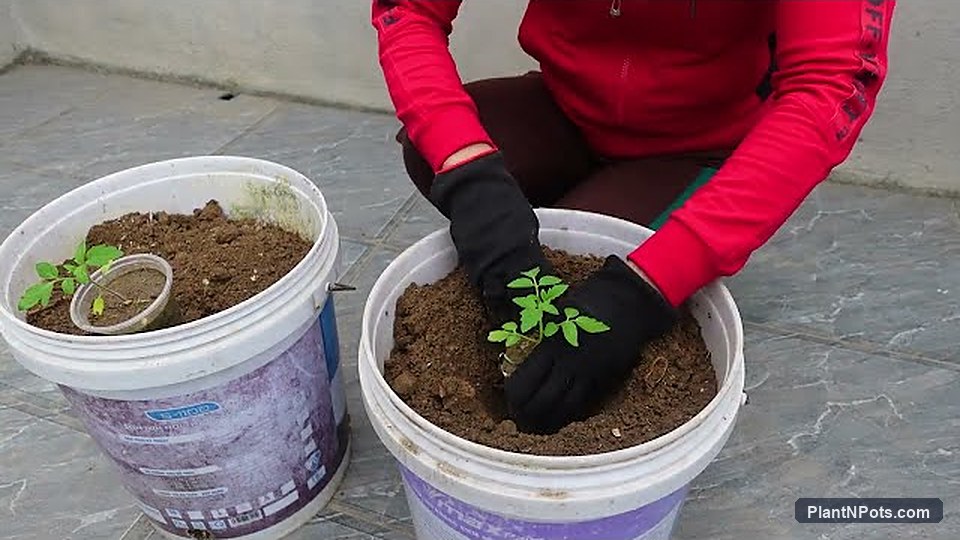
Planting a massive vining tomato in a tiny pot leads to failure. Conversely, placing a tiny dwarf variety in a huge tub wastes valuable potting mix.
Always check seed packets or plant tags for mature spread estimates. Use these specific dimensions to calculate the exact soil volume required for optimal growth.
Grouping similar sizes together simplifies your daily watering and garden maintenance routines. Consistency across containers prevents individual plants from drying out prematurely.
Dwarf patio tomato varieties require minimal soil volume compared to sprawling vines. You can successfully cultivate compact bush types in five-gallon bags without sacrificing overall harvest yields or experiencing early nutrient deficiencies.
Indeterminate vining tomatoes need significantly larger growing environments. Standard indeterminate cultivars demand at least fifteen-gallon containers to accommodate massive root structures capable of sustaining continuous vine growth and heavy fruit production.
Determinant slicing tomatoes occupy a middle ground in container gardening. These bush-type heavy producers thrive comfortably within ten-gallon fabric pots, providing enough root space for abundant fruit sets without excessive media weight.
Under-sizing containers leads directly to stunted plant growth and premature leaf drop. Always evaluate the mature plant size listed on your seed packet before committing your precious seedlings to permanent containers.
- Match container dimensions to the expected mature canopy size.
- Avoid underestimating the root spread of sprawling heritage types.
- Group similar container sizes to streamline irrigation schedules.
- Account for vertical staking requirements when positioning heavy bags.
Selecting Bags for Determinate Bushes
Determinate tomatoes grow to a fixed height and set all their fruit at once. A 7 to 10-gallon bag provides ideal root space for these bush types.
This volume keeps the plant stable while supporting a heavy harvest of uniform tomatoes. Ensure the bag has a wide base to prevent tipping.
- Target a 7 to 10-gallon capacity for standard bush varieties.
- Choose wide, shallow profiles for stability against heavy winds.
Sizing Up for Indeterminate Vines
Indeterminate tomatoes grow continuously until frost kills them. These vigorous climbers demand a 15 to 20-gallon bag to sustain heavy production.
Smaller containers will dry out too quickly under the massive foliage canopy. Give these heavy producers all the root room they can possibly use.
- Use 15-gallon minimums for indeterminate vining cultivars.
- Integrate sturdy tomato cages or stakes directly into the soil mix.
Video Walkthrough: What Size Grow Bag for Tomatoes is Ideal?
Evaluating Material Composition and Shape
Not all grow bags are created equal when it comes to material quality. Look for heavy-duty, UV-resistant non-woven geotextile fabric designed to last multiple seasons.
Stitched seams matter immensely for structural integrity when filled with wet soil. Reinforced nylon handles make moving large, planted containers much more manageable.
Shape also influences root development and overall stability on decks or patios. Taller bags accommodate deeper roots, while wider bags offer superior wind resistance.
Selecting premium materials prevents premature breakdown from sun exposure and moisture. High-end fabric pots withstand outdoor weathering for several productive growing seasons.
Heavy-duty non-woven polypropylene fabric remains the gold standard for container tomatoes. This material guarantees superior breathability and exceptional durability, lasting multiple seasons under intense ultraviolet sunlight exposure without degrading structurally.
Container geometry heavily influences moisture distribution and root expansion patterns. Tall, narrow cylinders encourage deep vertical root penetration, whereas wider, shallower pots promote horizontal spreading and surface evaporation.
Seam construction quality determines whether your grow bag survives seasonal movement. Look for reinforced stitching utilizing bonded polyester thread to prevent catastrophic splitting when saturated media shifts during heavy wind storms.
Color choice directly impacts soil temperature dynamics in sunny microclimates. Tan or grey bags reflect harsh solar radiation effectively, preventing the root-scorching temperatures often experienced in standard black nursery containers.
- Inspect double-stitched seams for durability under heavy soil loads.
- Prioritize BPA-free polypropylene for safe food crop cultivation.
- Select reinforced handles capable of supporting wet soil weight.
- Choose dark fabric colors if you need to warm up cold spring soils.
Soil Volume, Weight, and Moisture Dynamics
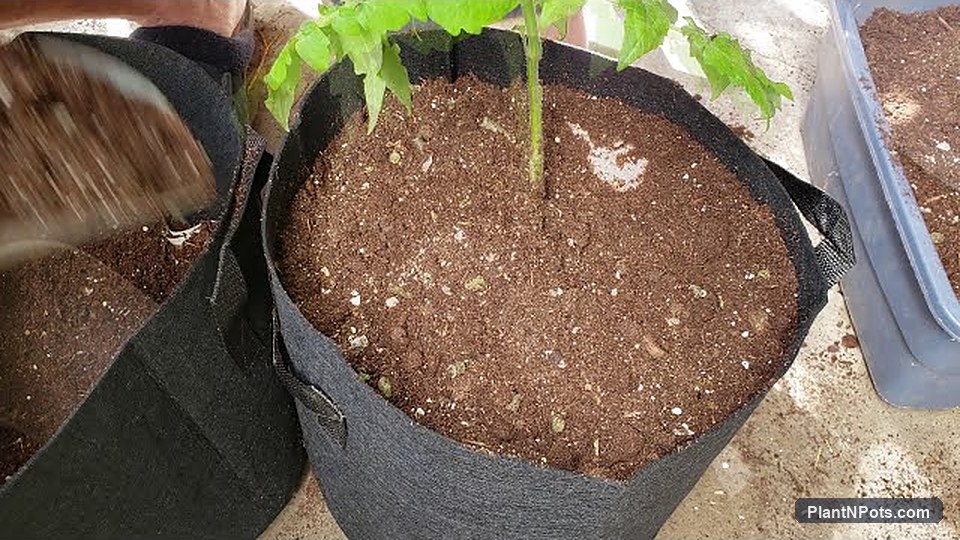
Filling a large tomato grow bag requires a substantial amount of potting mix. A standard 15-gallon container holds roughly two cubic feet of soil material.
Wet potting mix weighs considerably more than dry media. Factor this substantial weight into your placement decisions before filling containers on elevated balconies.
Fabric bags drain exceptionally well, which prevents waterlogged roots. However, this high permeability means moisture evaporates much faster than in plastic pots.
Incorporating organic compost and moisture-retaining amendments balances this rapid evaporation. Mulching the top surface helps retain critical root moisture during hot spells.
Calculating exact soil volume prevents costly purchasing errors at the garden center. A standard ten-gallon grow bag requires roughly 1.3 cubic feet of premium potting mix to fill properly to the rim.
Heavy garden soil packs down densely inside fabric containers, destroying aeration channels. Always utilize a soilless potting mix enriched with compost, perlite, and peat moss to ensure proper drainage and root oxygenation.
Fabric containers dry out significantly faster than traditional glazed ceramic or plastic pots. Monitor moisture levels daily and apply a thick organic mulch layer across the surface to drastically reduce evaporation rates.
Water retention properties change as organic matter breaks down over successive seasons. Replenish depleted nutrients annually and incorporate fresh compost to maintain optimal moisture-holding capacity throughout the active growing cycle.
- Calculate soil volume requirements before purchasing bulk amendments.
- Position large bags permanently before adding heavy wet soil.
- Mix in aged compost to boost natural moisture retention.
- Apply organic mulch to shield surface roots from intense heat.
Setting Up Drainage and Base Positioning
Proper placement prevents water pooling beneath your fabric tomato containers. Elevating bags on pot feet or bricks encourages maximum bottom airflow and drainage.
Never place grow bags directly on soggy lawns or untreated wooden decks. Trapped moisture can damage wooden surfaces and invite unwanted garden pests.
Arrange your containers to receive at least six to eight hours of direct sunlight daily. Adequate sun exposure is vital for sweet, flavorful fruit development.
Leave comfortable walking space between individual bags for pruning and harvesting. Crowded containers restrict airflow and increase vulnerability to fungal plant diseases.
Superior drainage is the primary advantage of utilizing breathable fabric pots. Excess irrigation water escapes freely from all sides, completely eliminating waterlogged root zones and preventing devastating fungal root rots.
Elevating your grow bags off direct ground contact improves bottom airflow. Place containers on metal wire grates or pot feet to prevent roots from growing downward into native soil and pests.
Paving stones or wooden decks trap moisture underneath standard flat-bottomed fabric containers. Creating an air gap beneath your bags prevents surface wood rot and encourages optimal evaporative cooling from below.
Never add gravel or rocks to the bottom of your fabric grow bags. This outdated practice creates a perched water table that actually draws moisture upward into the root zone instead of draining.
- Elevate bags on bricks to maximize under-pot air circulation.
- Ensure placement guarantees full sun exposure all afternoon.
- Keep walkways clear between rows for easy daily maintenance.
- Avoid direct contact with stagnant water on patio surfaces.
Watering and Feeding Mechanics in Fabric Pots
Fabric containers dry out rapidly because air flows freely through the walls. During mid-summer heatwaves, your tomato plants may require daily or twice-daily watering.
Water slowly and deeply until moisture begins weeping through the sides. This ensures the entire root ball hydrates evenly without dry pocket formation.
Nutrients leach out of permeable fabric pots faster than traditional plastic containers. Implement a consistent, dilute feeding schedule using balanced organic fertilizers.
Monitor lower leaves closely for early signs of nutrient deficiencies. Regular feeding sustains heavy fruit sets on indeterminate plants throughout the season.
Rapid drainage means container tomatoes require more frequent irrigation schedules. During scorching summer heatwaves, mature plants in fabric pots often demand daily deep watering to prevent severe foliage wilt and blossom end rot.
Nutrients leach out quickly due to the porous nature of fabric walls. Implement a regular fertilizing routine using a water-soluble organic nutrient blend every two weeks to sustain heavy fruit development.
Slow-release granular fertilizers provide a reliable baseline nutrient supply over extended periods. Incorporate these slow-acting amendments directly into your potting mix to ensure consistent mineral availability throughout the vegetative growth stages.
Always water slowly and evenly across the entire surface of the soil. Concentrated streams create channeling, leaving dry pockets where vital feeder roots cannot access moisture or deliver necessary nutrients upstream.
- Water thoroughly until liquid drains from the fabric sides.
- Adopt a frequent, dilute feeding schedule for best results.
- Watch for yellowing leaves indicating nitrogen depletion.
- Use drip irrigation emitters to automate consistent daily watering.
Preventing Common Container Gardening Pitfalls
Avoid using ordinary garden soil inside fabric tomato containers. Heavy native dirt compacts severely, choking roots and preventing proper drainage.
Always use a light, porous potting mix formulated for containers. This ensures roots receive adequate oxygen while retaining essential moisture between waterings.
Never let your tomato plants dry out completely between watering sessions. Severe moisture stress causes blossom end rot and ruins developing fruit clusters.
Replace or refresh potting media annually to eliminate lingering soil-borne pathogens. Clean fabric bags thoroughly between growing seasons to maintain plant health.
Blossom end rot frequently plagues container tomatoes due to inconsistent watering habits. Maintain steady soil moisture levels to ensure uninterrupted calcium uptake, which prevents unsightly black sunken spots on your developing fruit.
Overcrowding multiple tomato plants inside a single container guarantees fierce competition for resources. Plant strictly one tomato per bag to maximize sunlight interception, airflow, and individual root zone expansion space.
Staking tall container tomatoes requires careful planning before vines become heavy. Push sturdy stakes deep into the potting mix early to avoid damaging root systems later in the growing season.
Inspect foliage weekly for early signs of fungal diseases like blight. Prune lower leaves touching the fabric to improve basal air circulation and stop soil-borne pathogens from splashing upward during heavy rainstorms.
- Never use heavy native garden soil in fabric containers.
- Prevent blossom end rot with consistent moisture levels.
- Empty and wash fabric pots at the end of each season.
- Rotate tomato growing locations annually to deter diseases.
Frequently Asked Questions
What is the absolute minimum grow bag size for a single tomato plant?
A 5-gallon grow bag is the absolute minimum size required for dwarf tomato varieties. Larger indeterminate cultivars require at least 15 gallons of soil space.
Do grow bags dry out faster than traditional plastic pots?
Yes, breathable fabric walls allow rapid air exchange and increased evaporation. You must check soil moisture daily and water plants frequently during summer heatwaves.
Can I reuse fabric grow bags for next season's tomato crop?
Most high-quality geotextile bags last several years with proper care. Empty old soil, wash the fabric thoroughly, and let it dry completely before winter storage.
Should I put drainage rocks at the bottom of my tomato grow bag?
No, adding gravel creates a perched water table that actually hinders drainage. Fill your bag entirely with a porous potting mix instead for optimal results.
How many tomato plants can I safely grow in a 10-gallon bag?
You should plant only one tomato plant per 10-gallon bag. Crowding multiple plants leads to fierce root competition and significantly reduced fruit yields.

