Discover safe methods for evaluating, refreshing, and repurposing old container media. Master container gardening sustainability without risking plant health.
Key Takeaway:
You can successfully reuse container soil if you properly screen for root diseases and replenish depleted organic matter before planting.
Quick-Reference Guide
| Factor / Scenario | Recommended Target | Why It Matters |
|---|---|---|
| Thermal Sterilization | 180°F for 30 minutes | Kills weed seeds and fungal spores. |
| Organic Amendment | 20% to 30% fresh compost | Restores essential microbiology and nutrients. |
| Perlite Ratio | 10% to 15% volume boost | Prevents compaction and restores aeration. |
| Soil pH Range | 6.0 to 6.8 target | Ensures optimal macronutrient availability. |
| Storage Humidity | Below 50 percent | Prevents anaerobic bacterial growth in bins. |
| Discard Threshold | Severe root rot history | Eliminates persistent soil-borne pathogens. |
Evaluating Used Container Media Safely
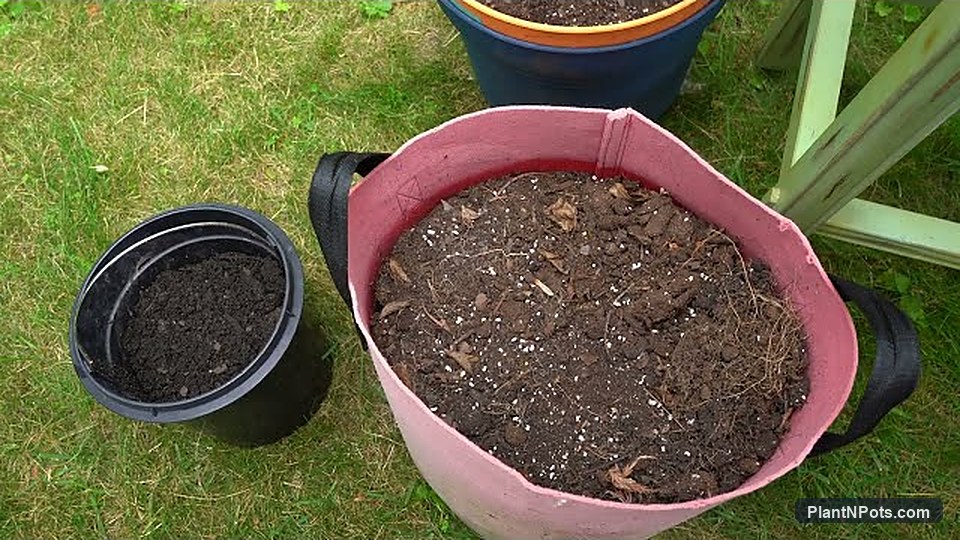
Before recycling any old container growing medium, inspect the root zone thoroughly. Discard substrate taken from containers that hosted diseased plants, persistent wilts, or aggressive soil-borne insect larvae during the previous growing season.
Healthy medium originating from robust, pest-free ornamentals provides a solid foundation for recycling into the best house planters with stands. Sift through the material manually to remove old root fragments and stubborn pebbles.
- Check container history for signs of fungal wilt.
- Remove all large, decaying root chunks manually.
- Discard mixes infested with persistent root aphids.
- Inspect texture for excessive compaction and density.
Visual and Tactile Assessment Steps
Grab a handful of slightly damp medium and squeeze it firmly. If the soil forms a dense, impenetrable ball that fails to crumble easily, the physical structure requires significant amendment before replanting.
Healthy container media should feel springy and loose rather than heavy and waterlogged. Assessing moisture retention capacity helps determine if you need to add coarse aggregates immediately.
- Perform the manual squeeze test for compaction.
- Evaluate initial moisture absorption rates closely.
- Look for white mineral salt crusts on top.
Mechanics of Soil Composition Breakdown
Soilless potting mixes degrade structurally over months of continuous watering and root expansion. Review methods for the [best way to seal terracotta pots](https://plantnpots.com/?p=4370) while peat moss and coir fibers slowly decompose.
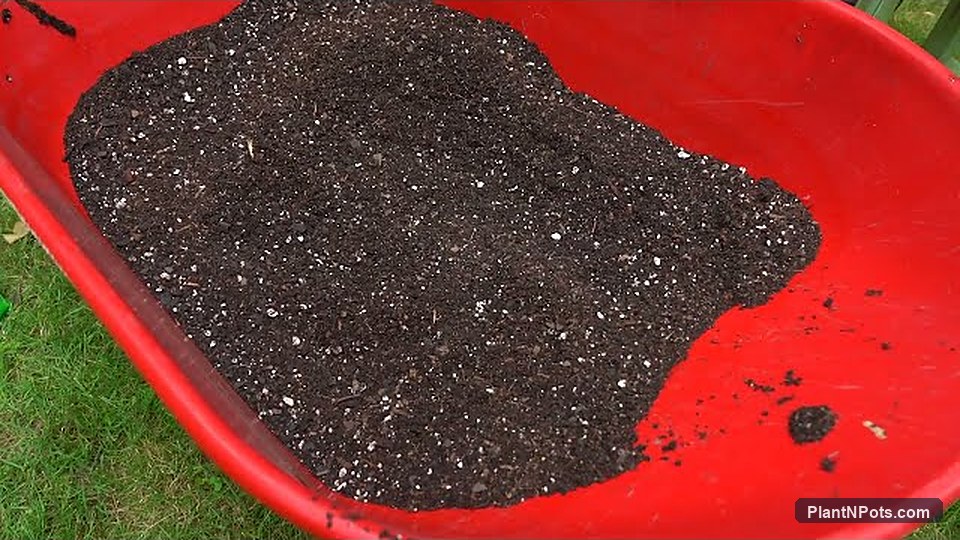
Perlite and vermiculite components may break down into smaller dust particles over time. This physical degradation severely restricts water drainage and increases the risk of accidental root suffocation in your containers.
- Organic components naturally break down over time.
- Microbial activity consumes vital carbon structures.
- Air pockets shrink as organic matter degrades.
- Drainage efficiency decreases after one full season.
Restoring Porosity and Aeration
Rebuilding degraded structure demands the addition of fresh coarse materials. Incorporate high-quality horticultural perlite or pumice to restore essential macro-porosity for sensitive root systems.
Avoid adding fine sand, which tends to pack tightly and ruin drainage characteristics. Stick to chunky elements that maintain stable air channels throughout the growing container.
- Mix in coarse horticultural perlite or pumice.
- Avoid adding fine builder or masonry sand.
- Incorporate small pine bark nuggets for structure.
Video Walkthrough: How To Reuse Old Potting Soil – Geeky Greenhouse
Methods for Thermal and Solar Sterilization
Sterilizing old potting soil eliminates dormant weed seeds, harmful fungal spores, and microscopic pest eggs. Solarization offers a natural outdoor method utilizing intense summer heat inside sealed clear plastic bags.
Spread damp soil thinly across UV-resistant plastic sheets exposed to direct sunlight for four to six weeks. Alternatively, bake small batches in an oven at low temperatures until interior soil reaches required thresholds.
- Solarize soil inside sealed clear plastic bags.
- Expose bags to direct sunlight for several weeks.
- Monitor internal temperatures during thermal treatment.
- Allow sterilized medium to rest before planting.
Oven Baking Guidelines and Precautions
Place lightly moistened soil into shallow metal baking pans and cover tightly with heavy-duty aluminum foil. Heat the oven to 180 degrees Fahrenheit and monitor the soil core with a meat thermometer.
Keep the soil at this target temperature for approximately thirty minutes. Avoid overheating the material above two hundred degrees, as this destroys beneficial compounds and releases unpleasant organic odors.
- Cover metal baking pans with aluminum foil.
- Insert a thermometer to monitor core heat.
- Maintain target temperature for thirty minutes.
Nutrient Replenishment and Amendment Strategies
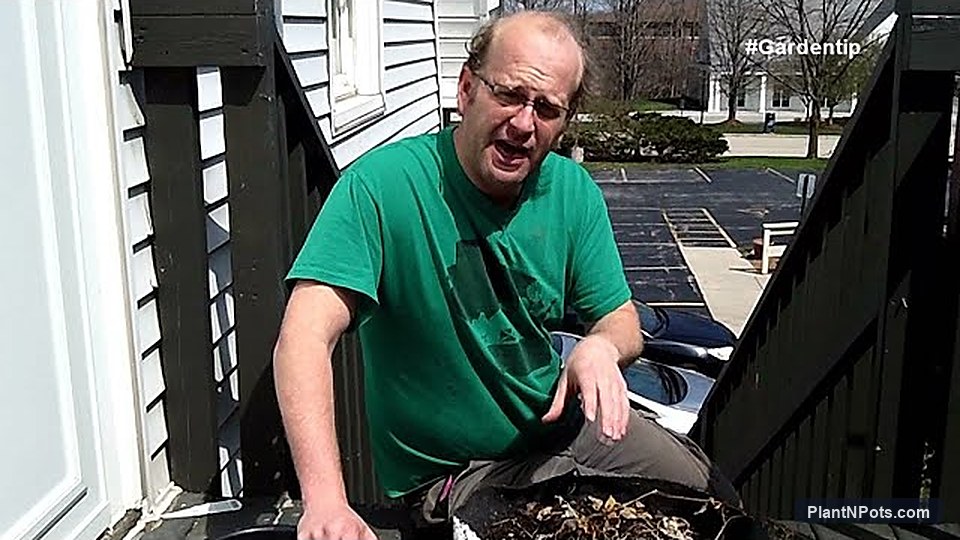
Recycled potting soil is virtually devoid of active macronutrients and micronutrients after supporting a full seasonal crop. Intensive watering leaches out essential nitrogen, phosphorus, and potassium long before autumn arrives.
Recharge the depleted medium by blending in rich, finished compost and slow-release organic fertilizers. This restoration process reactivates the soil food web, providing a balanced diet for your newly transplanted specimens.
- Blend in nutrient-rich, finished organic compost.
- Add slow-release granular organic fertilizers.
- Incorporate worm castings for microbial life.
- Test pH levels before introducing sensitive plants.
Balancing pH and Micronutrient Levels
Old potting mixes often drift toward acidic extremes due to fertilizer salts and organic breakdown. Test the medium using a reliable kit and apply agricultural limestone to raise excessively low pH levels.
Ensure micronutrients like iron and magnesium are present by adding powdered kelp meal or greensand. These gentle amendments supply trace minerals without burning delicate new roots.
- Test soil pH with a reliable meter.
- Apply agricultural limestone if too acidic.
- Incorporate kelp meal for trace minerals.
Managing Pests and Pathogens in Old Substrates
Container gardens frequently attract fungus gnats, spider mites, and root-chewing grubs that lay dormant in spent soil. Failing to address these hidden pests guarantees an immediate infestation for your next batch of plants.
Use biological controls like beneficial nematodes or apply targeted microbial treatments to eradicate lingering pests safely. These interventions protect your crops without relying on harsh chemical pesticides inside living spaces.
- Inspect closely for dormant fungus gnat larvae.
- Apply beneficial nematodes to control soil pests.
- Discard mixes harboring persistent fungal pathogens.
- Quarantine treated soil before container planting.
Preventing Fungal Pathogen Resurgence
Root rot fungi like Pythium and Phytophthora can survive indefinitely inside damp, unsterilized organic matter. If previous plants succumbed to root decay, avoid reusing that specific soil batch for vulnerable seedlings.
Treating suspicious mixes with biological fungicides containing beneficial Trichoderma strains helps suppress pathogenic activity. Prevention remains your strongest defense against catastrophic crop failure in containers.
- Identify signs of historic root rot damage.
- Incorporate beneficial Trichoderma fungal strains.
- Discard high-risk disease-prone soil batches.
Alternative Applications for Exhausted Growing Mediums
When potting soil is too degraded or diseased for container use, redirect it toward outdoor landscape projects. Spread the spent medium across garden beds to improve clay or sandy native soil structures.
Old container soil makes an exceptional bulking agent for backyard compost piles, adding mineral weight and diverse particle sizes. Mixing it with fresh green waste accelerates overall decomposition cycles efficiently.
- Spread exhausted soil across outdoor garden beds.
- Incorporate spent medium into backyard compost piles.
- Use old mix to top-dress established lawns safely.
- Fill low spots in landscape areas with old soil.
Landscape Integration and Lawn Top-Dressing
Distribute nutrient-depleted soil in thin layers across perennial borders, referencing guidance on the [best soil for large planters](https://plantnpots.com/?p=3571) to ensure proper texture. Avoid piling heavy layers directly over existing turfgrass.
Rake the material evenly into lawn depressions during early spring renovation projects. Native grasses will quickly grow through the added layer, benefiting from the underlying organic matter.
- Distribute thin layers in perennial garden borders.
- Avoid smothering turfgrass with thick soil piles.
- Rake material evenly into low lawn spots.
Frequently Asked Questions
Can I reuse potting soil without sterilizing it first?
You can safely skip sterilization if the previous plants were completely healthy and pest-free. However, always mix in fresh compost and coarse perlite to restore proper structure and depleted nutrients before planting.
How many times is it safe to recycle the same potting soil?
It is generally recommended to reuse potting soil only one or two times maximum. Beyond that point, the organic components break down entirely, leaving insufficient aeration for healthy root growth.
What should I never do with old container potting soil?
Never reuse soil from containers that hosted plants with severe fungal wilts or bacterial infections. Disposing of this contaminated material prevents the spread of destructive soil-borne plant pathogens in your garden.
Does recycled potting soil need extra fertilizer immediately?
Yes, old potting mix lacks essential macronutrients because previous plants consumed them. Blend in slow-release organic fertilizers or nutrient-dense compost to give your new plants an energetic start.
How can I store leftover refreshed potting soil correctly?
Store your refreshed medium in heavy-duty, sealed plastic bins or buckets inside a dry shed. Keeping the soil dry prevents the growth of anaerobic bacteria and unwanted weed seeds during storage.

