Knowing how do you measure a flower pot ensures your root systems receive proper space. Accurate dimensions prevent crowding and secure plant health.
Key Takeaway:
Always measure across the widest top rim for diameter and from the interior base to the soil line for depth. Never rely on external dimensions that include decorative lips.
Quick-Reference Guide
| Factor / Scenario | Recommended Target | Why It Matters |
|---|---|---|
| Top Diameter | Widest rim-to-rim span | Determines plant spread and spacing fit. |
| Pot Depth | Interior base to rim | Ensures adequate root zone clearance. |
| Drainage Hole | 1 to 2 percent of base | Prevents root rot and water pooling. |
| Lip Width | 0.5 to 2 inches extra | Affects handling, lifting, and saucer matching. |
| Material Weight | Heavier for tall flora | Prevents tip-overs from heavy foliage top-heaviness. |
| Interior Ledge | Check for taper limits | Prevents root ball lock during future repotting. |
Essential Tools for Accurate Container Measurement
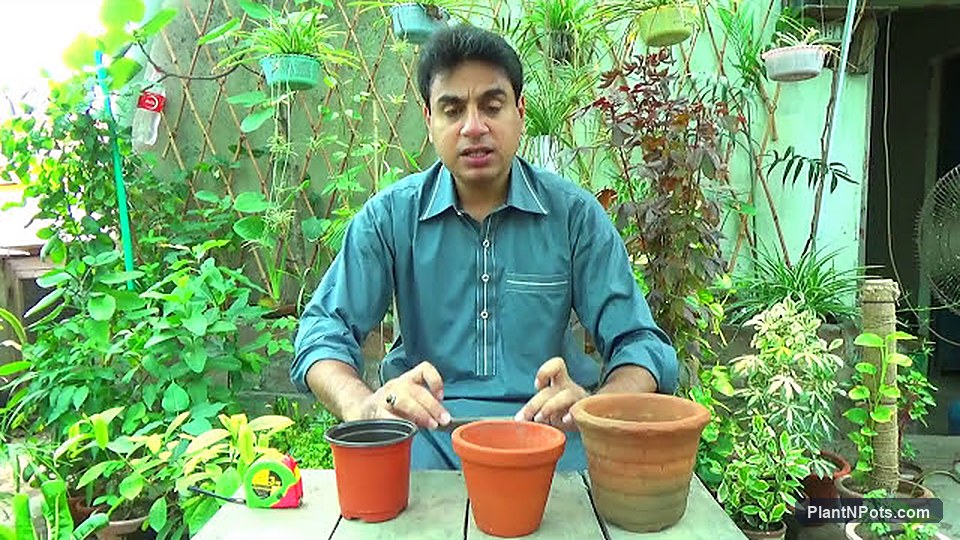
Gathering the right tools simplifies container assessment immediately. You always need a flexible cloth tape measure and a rigid metal ruler for precise, repeatable readings.
Avoid cloth measuring tapes that stretch over time. Precision relies on rigid tools to capture exact millimeters without sagging across wide basin openings.
Keep a notepad nearby to record multiple angles. Documenting these exact dimensions ensures you select the [ideal container for herbs](https://plantnpots.com/?p=6430) like basil without sizing mistakes.
Good lighting helps spot hairline cracks or internal ledges. Never guess dimensions when working with expensive heirloom ceramic containers or heavy terracotta vessels.
Gathering precise measuring instruments ensures your container gardening projects succeed without frustrating sizing errors. Always select a flexible tailor tape alongside a rigid carpenter ruler for curved surfaces.
Rigid rulers excel at measuring flat interior bases and exact rim thicknesses. Combining these two tools prevents the parallax errors common when relying solely on cheap plastic tapes.
Include a right-angle square in your toolkit to verify vertical wall alignments. This guarantees you capture true interior dimensions rather than distorted exterior angles on tapered ceramic planters.
Keep a waterproof notebook nearby to record measurements immediately during your assessment session. Accurate record-keeping eliminates guesswork when shopping for standard nursery pot liners.
- Use rigid metal rulers for absolute straight-line accuracy across circular rims.
- Record measurements immediately to prevent confusion between inner and outer sizing.
- Clean potting residue off container walls before running your tape measure.
- Check for warping on plastic or fiberglass pots before recording dimensions.
Preparing Your Workspace
Clear a flat workbench to stabilize your container securely. A level surface prevents the pot from rocking during detailed depth assessments and prevents measurement errors.
Wipe away loose soil or dust using a soft brush. Clean surfaces allow your measuring tools to rest completely flush against the rim edge.
- Clear all debris from the interior base.
- Ensure the container is completely dry.
Mastering Diameter and Inner Width Calculations
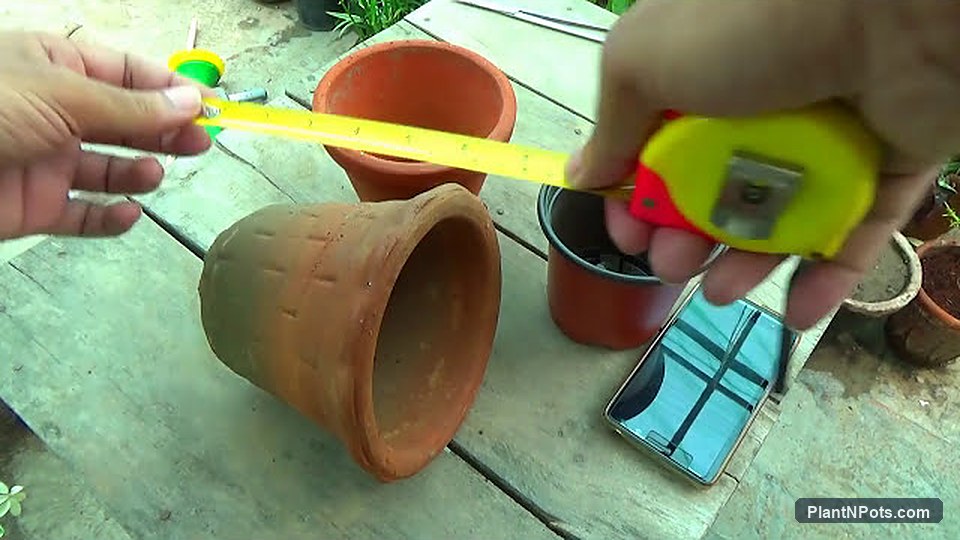
The top rim diameter dictates overall container capacity. Measuring across the widest center point is just as crucial as selecting the right [fabric grow bag for tomatoes](https://plantnpots.com/?p=6648) for your garden.
Circular pots require a single straightforward cross-section measurement. Rectangular or square planters demand both a length and width calculation to find true surface area.
Account for thick container walls when calculating soil volume. Heavy ceramic or concrete pots feature thick walls that drastically reduce internal planting space.
Always measure the interior opening rather than the outer edge. This inner metric dictates whether your current root ball can drop in smoothly.
Measuring the top opening requires stretching your tape across the absolute widest point. Ensure the tape passes directly through the exact center point to capture the true inner diameter.
Many decorative pots taper significantly toward the bottom base. Always measure the bottom inner width to confirm your root ball will actually fit comfortably into the lower structural zone.
Irregularly shaped square or rectangular containers demand two separate width measurements. Multiply length by width carefully to determine the overall surface area allocation for your plants.
Account for any internal lips or shoulders that restrict the top opening. Plants with rigid root systems might struggle if the rim constriction is narrower than the body.
- Span the absolute widest section of the upper rim.
- Account for rim thickness when calculating soil volume.
- Measure both axes on oval or rectangular planters.
- Verify interior clearance against your plant nursery container.
Measuring Non-Circular Planters
Irregular or geometric planters require specialized techniques. Measure the longest horizontal axis and perpendicular short axis to determine true spatial planting boundaries.
Multiply these two distinct values to estimate surface capacity. This prevents overcrowding when arranging multiple small companion plants in one shared container.
- Find the longest straight internal span.
- Calculate perpendicular width at midpoint.
Video Walkthrough: Measuring a Planter: Step-by-Step Instructions📏🪴
Determining True Depth and Internal Ledge Dimensions
Depth is often miscalculated by including exterior feet. Place your rigid ruler vertically inside the container, resting it firmly on the bottom base.
Read the measurement where the top rim intersects your ruler. This interior depth reveals how much root run your flora will actually receive.
Watch out for internal tapering ledges that catch root balls. Many decorative pots narrow sharply near the base, reducing usable vertical planting space.
Subtract any internal spacer height from your total depth calculation. Drainage reservoirs or built-in false bottoms severely restrict your available soil depth.
Insert your rigid ruler vertically until it touches the exact center of the base. Measure from the interior floor up to the rim plane to find the usable soil depth.
Self-watering containers feature a built-in reservoir shelf that drastically reduces planting depth. Subtract this false bottom height to calculate your actual root growth zone.
Ledges designed to support drop-in nursery inserts require precise vertical clearance metrics. Measure the exact drop distance from the top rim down to this supporting internal shoulder.
Inadequate depth measurements frequently lead to root overcrowding and poor drainage performance. Always verify that your chosen species matches the vertical soil requirements.
- Insert a rigid ruler straight down to the base.
- Measure from floor level to the inner soil line.
- Account for raised internal bottom designs or reservoirs.
- Check for tapered walls that narrow downwards.
Evaluating Lip Widths and Outer Rim Variances
Decorative lips can distort your perception of pot size. Measure the horizontal overhang of the rim to understand how it impacts saucer selection.
A wide rim adds substantial weight and visual balance. However, it also creates a narrower inner opening that can trap overgrown root masses.
Compare outer rim measurements against standard plant saucer dimensions. Your saucer must comfortably exceed the outer base diameter while accommodating the lip.
Rim thickness affects how hanging baskets attach securely. Always verify that clip wires fit comfortably beneath the outer lip molding without slipping.
The outer rim adds structural rigidity but complicates spacing arrangements on crowded plant shelves. Measure the total horizontal overhang to calculate your exact maximum footprint dimensions.
Rolled terracotta lips can add up to an inch of extra width per side. Factor this lip thickness into your calculations when designing custom drop-in tabletop holders.
Rim variances impact how multiple round containers sit side by side on trays. Wide lips create gaps that alter airflow and impact your overall humidity management strategies.
Always subtract rim dimensions when calculating soil volume requirements for dense arrangements. Ignoring lip overhangs leads to purchasing excess potting mix and wasted substrate materials.
- Measure the horizontal overhang of the upper rim.
- Ensure matching saucers fit the outer base width.
- Account for rim thickness when spacing multiple pots.
- Check hanging hardware clearance beneath the lip.
Assessing Drainage Hole Diameters and Base Basins
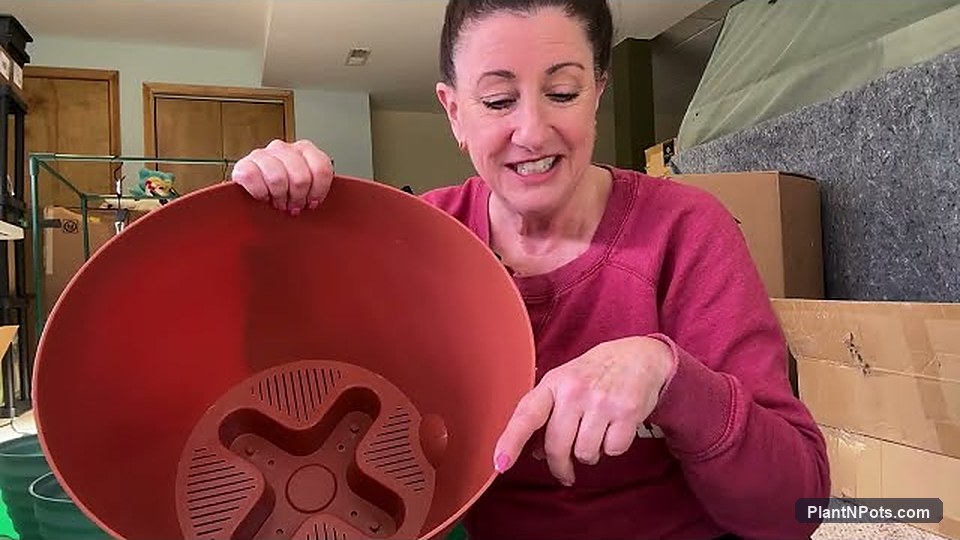
Drainage holes are critical for preventing fatal root rot. Measure the diameter of each hole to ensure water can escape without washing soil away.
Large drainage ports require mesh screens to retain soil. Small holes might need drilling out to achieve an optimal one percent opening ratio.
Inspect the base design for elevated feet or channels. Raised pots allow water to drain freely without vacuum-locking against flat concrete surfaces.
Measure the flat interior floor space surrounding the drainage port. This area dictates whether you can add coarse gravel layers safely.
Inspect the bottom of the container to measure individual drainage hole diameters accurately. Undersized holes trap stagnant water and promote root rot, threatening your plant health standards.
Multiple smaller drainage holes require cumulative area calculations to ensure proper outflow. Compare this total aperture size against standard water retention guidelines for your climate.
Integrated saucer basins demand careful depth measurements to prevent root submergence during heavy watering. Verify that the inner basin provides adequate clearance below the primary drainage ports.
Use a digital caliper if available to measure intricate mesh-covered drainage grates precisely. Accurate baseline assessments prevent soil from washing out through oversized bottom perforations.
- Measure the exact diameter of all base drainage holes.
- Verify base feet elevate the pot off surfaces.
- Check if mesh screens are needed for large ports.
- Ensure water escapes freely during test flushes.
Accounting for Pot Weight and Material Proportions
Material choice dictates overall container stability and weight. Heavy terracotta or cast stone pots require precise base measurements to prevent tipping over.
Lightweight fiberglass containers require wider footprints to prevent dangerous tipping hazards. Balancing structural stability is easy when choosing smart self-watering pots for heavy foliage.
Weigh empty containers before adding wet soil and plants. Understanding the dry weight baseline helps you safely position large flora on balconies.
Match pot weight proportionally to the mature plant size. Tall shrubs demand heavy, wide-based containers to withstand strong outdoor wind gusts.
Heavy stone and concrete containers demand proportional wall thickness measurements for structural safety. Thicker walls reduce the internal soil volume available for mature root systems.
Lightweight fiberglass pots offer larger internal capacities despite having slim outer profiles. Measure wall thicknesses carefully to balance exterior footprint against usable internal volume.
Terracotta pots absorb moisture, which alters their overall weight profile over extended watering cycles. Factor material density into your structural support planning for suspended mounting brackets.
Balance ratios ensure your container remains stable when supporting tall, top-heavy plant specimens. Measure the base diameter against total height to maintain a safe center of gravity.
- Weigh empty containers to gauge structural load limits.
- Ensure base width supports tall plant canopies safely.
- Account for moisture weight when calculating total load.
- Select heavy materials for windy outdoor garden patios.
Avoiding Common Measuring Traps During Repotting
Never assume printed pot labels reflect actual internal space dimensions. Manufacturers frequently list exterior dimensions that exclude wall thickness and internal lips.
Always measure your plant root ball before shopping. Match the root ball width by adding two inches for standard growth room.
Avoid selecting pots that taper too aggressively downward. Tapered containers make future repotting extremely difficult because root systems lock inside.
Double-check all measurements before drilling custom drainage holes. Precision prevents cracking fragile ceramic vessels or wasting valuable container gardening inventory.
Never measure a container while it still contains an old, root-bound plant specimen. Emptying and cleaning the pot first prevents gross inaccuracies caused by compacted root masses.
Avoid rounding your measurements up or down to the nearest convenient inch mark. Precision to the nearest millimeter ensures exact compatibility with specialized hydroponic net pots.
Account for soil shrinkage that naturally occurs over several months of regular watering cycles. Measure slightly above current baseline levels to maintain proper top-dress clearance margins.
Double-check all recorded dimensions before ordering expensive custom decorative outer cachepots online. Verification eliminates costly return shipping fees and frustrating repotting project delays.
- Measure root balls before purchasing new containers.
- Ignore misleading external manufacturer dimensional labels.
- Add two inches for healthy root expansion room.
- Avoid steep interior tapers that trap roots.
Frequently Asked Questions
How do you measure a flower pot for a new plant?
You must carefully measure across the absolute widest top rim for exact diameter and from the interior base up to the soil line for true depth assessment.
Always add two inches of extra radial space around your current root ball to accommodate healthy future seasonal growth without triggering root crowding or transplant shock.
Why do manufacturer pot sizes sometimes differ from actual measurements?
Commercial pot manufacturers frequently list external dimensions that include decorative rims, exterior feet, and thick structural walls that drastically reduce usable internal planting space.
You must always verify the precise inner diameter and depth manually using a rigid metal ruler before purchasing containers to ensure your specific plant root ball fits safely.
How do you measure square or rectangular planters accurately?
Modern rectangular and square containers require separate measurements for both length and width across the inner upper opening to determine true surface planting area.
Multiply these distinct horizontal values together and factor in the internal vertical depth to accurately calculate overall soil volume and maximum companion plant capacity.
Does container material impact how you measure flower pots?
Heavy structural materials like traditional terracotta and cast concrete feature thick walls that consume significant interior space compared to thin molded plastics.
You must always carefully account for these varying structural wall thicknesses when calculating precise soil volume and root clearance for your container garden plantings.
What is the most common measuring mistake gardeners make?
Gardeners frequently measure the outer decorative rim edge instead of the inner opening, which leads to buying pots that are too small for growing root systems.
Always check true interior dimensions and account for downward wall tapering to prevent severe root binding issues during future repotting maintenance sessions.

