Protect your container gardens from foraging wildlife using safe physical barriers, natural deterrents, and strategic plant placement techniques.
Key Takeaway:
Stop squirrels by covering container soil with hardware cloth screens or heavy stone mulches while applying pungent deterrent sprays.
Quick-Reference Guide
| Factor / Scenario | Recommended Target | Why It Matters |
|---|---|---|
| Physical Barrier | 1/4-inch hardware cloth | Blocks paw access completely |
| Stone Mulch | River rocks over 2 inches | Prevents digging behavior |
| Cayenne Pepper | Reapply after rainfall | Irritates sensitive noses |
| Elevation | Minimum 4 feet high | Outruns jumping ranges |
| Essential Oils | Peppermint on cotton balls | Overwhelms olfactory senses |
| Container Size | Wider, heavier pots | Resists tipping and knocking |
Understanding Squirrel Behavior and Container Vulnerability
Squirrels view fresh container soil as an ideal location for burying food caches or foraging for organic fertilizers. Understanding this natural instinct helps you protect your valuable potted plants effectively.
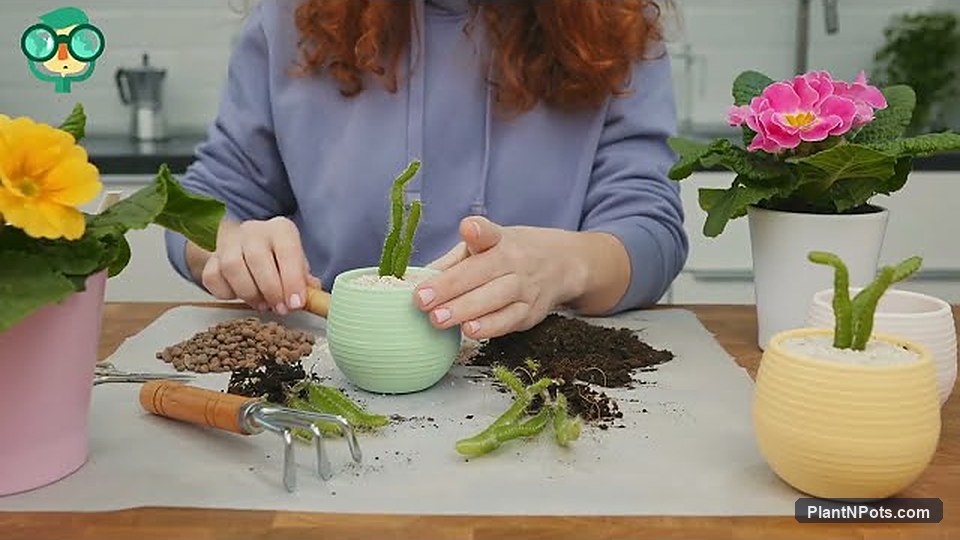
Fresh potting mixes often contain rich compost and bone meal ingredients that attract wildlife with strong earthy aromas. Recognizing these olfactory triggers lets you modify your potting media choices successfully.
- Inspect container soil weekly for signs of surface disturbance or buried nuts.
- Use heavy terra-cotta or concrete pots that resist shifting during foraging attempts.
- Keep container rims clear of low-hanging tree branches used as jumping pads.
- Avoid using raw bone meal fertilizers in outdoor patio containers.
Identifying High-Risk Pots
Lightweight plastic pots and wide-rimmed planters situated near mature trees experience the highest rates of wildlife interference. Secure these specific containers first before addressing well-protected patio setups.
When comparing gear and setup options, our [best evergreen shrubs for pots:](https://plantnpots.com/?p=3525) breaks down key materials, sizing, and durability trade-offs.
Containers housing bulbs or newly sown seeds require immediate protective measures because squirrels quickly detect underground edible treasures.
- Group vulnerable small pots together inside a larger, heavily guarded perimeter.
- Elevate lightweight containers onto unstable plant stands to startle foragers.
Installing Physical Barriers Over Container Soil
Constructing a rigid mesh shield over your potting soil provides the most reliable long-term defense against relentless wildlife digging. Cut galvanized wire mesh to match the exact interior diameter of your planter.
Make a small central slit in the mesh to accommodate plant stems while keeping the surrounding soil completely inaccessible. Secure the wire edges firmly underneath the inner lip of your container.
- Use 1/4-inch hardware cloth to prevent tiny paws from reaching the soil surface.
- Wear heavy work gloves when cutting galvanized wire to avoid sharp metal snags.
- Remove wire mesh seasonally to aerate soil and check root zone health.
- Paint wire screens with neutral earth tones to maintain your container aesthetics.
Alternative Household Grid Materials
Plastic grid sheets or inverted hanging basket liners also work remarkably well as soil covers. Ensure your chosen material allows proper water infiltration during routine watering sessions.
Cut ventilation holes generously so that liquid fertilizers and heavy rainwater drain freely without pooling.
- Secure plastic grids using heavy landscape staples pushed into the potting mix.
- Check that mesh openings do not trap delicate emerging foliage growth.
Video Walkthrough: How to Stop Woodland Animals from Digging in Your Flower Pots
Utilizing Olfactory Repellents and Spice Deterrents
Olfactory repellents exploit the sensitive nasal passages of foraging animals by releasing overpowering pungent aromas. Sprinkling powdered spices directly across the soil surface creates an unpleasant sensory deterrent zone.
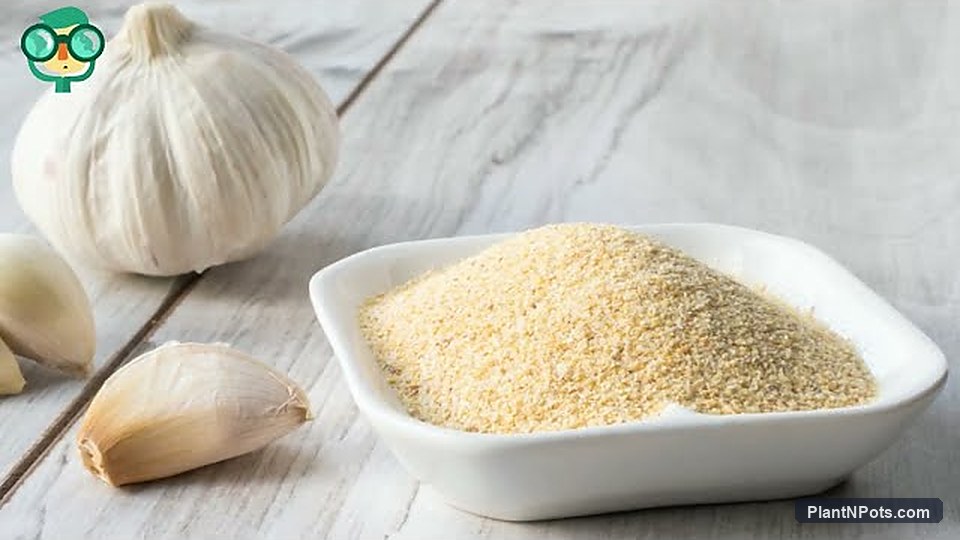
Reapply commercial or homemade deterrent formulas frequently, especially after heavy rainfall washes away active flavor compounds. Consistency is crucial for breaking chronic neighborhood wildlife foraging habits.
- Dust soil surfaces liberally with pure ground cayenne pepper or red pepper flakes.
- Soak cotton balls in peppermint essential oil and tuck them near the container rim.
- Mix garlic juice with water and spray foliage edges to discourage chewing.
- Refresh natural spice applications every five to seven days during peak seasons.
Managing Liquid Repellent Safety
Always test strong essential oil sprays on a single leaf before treating entire delicate plants. Concentrated botanical oils can occasionally cause foliage burn on sensitive indoor tropical species.
Wash your hands thoroughly after handling hot pepper powders to prevent accidental eye irritation.
- Keep spray bottles labeled clearly away from household food preparation areas.
- Avoid applying chemical deterrents during intense midday sunlight exposure.
Applying Heavy Mulching Materials and Surface Rocks
Replacing lightweight organic mulches with heavy physical surface coverings makes scratching through soil nearly impossible. Heavy decorative stones force wildlife to abandon digging efforts due to excessive physical resistance.
Select large river rocks or angular stone aggregate that measure at least two inches across. Smaller pebbles are easily displaced by determined paws searching for soft earth beneath.
- Arrange smooth river rocks in a dense single layer across the entire pot surface.
- Incorporate broken pinecones tightly around stems to create an uncomfortable walking texture.
- Avoid using shredded bark mulch that mimics natural forest digging sites.
- Leave slight gaps near plant stems to ensure proper air circulation and watering.
Using Glass Gems and Shells
Decorative glass marbles or polished sea shells add visual charm while deterring unwanted garden visitors effectively. Their slick surfaces offer zero traction for digging claws.
Press decorative items partially into the topsoil layer so they remain stable during maintenance.
- Choose flat-bottomed glass floral gems for superior surface coverage.
- Rinse decorative stones periodically to remove dust and mineral buildup.
Raising and Re-Positioning Potted Plants Safely
Altering the spatial layout of your container garden outsmarts animal memory and limits accessibility drastically. Suspend lightweight flower baskets from high ceiling hooks far beyond jumping ranges.
Mount wall brackets securely into structural studs to support heavy trailing plant displays safely. Ensure hanging containers sit at least four feet away from vertical launching platforms.
- Install vertical metal plant hooks on fences away from overhead tree limbs.
- Hang containers using galvanized steel chains that resist chewing damage.
- Cluster high-value pots on central patio spaces where foot traffic deters wildlife.
- Remove nearby chairs or benches that provide easy stepping stones upward.
Utilizing Dedicated Plant Stands
Tall wrought iron plant stands elevate containers into open zones where wildlife feels exposed and vulnerable. Choose stable tripod designs that resist tipping over during strong winds.
Wrap smooth sheet metal guards around wooden post bases to prevent climbing access.
- Anchor tall plant stands firmly into level patio pavers or turf ground.
- Select minimalist designs lacking ornate rungs that serve as climbing ladders.
Video Walkthrough: How to Keep Squirrels Out of Flower Pots
Cultivating Companion Plants That Deter Wildlife
Interplanting pungent herbs and thorny ornamentals creates a living barrier around your prized container specimens. Animals intensely dislike strong aromatic foliage and prickly textures near their faces.
Integrate companion plants with powerful scent profiles directly into large mixed containers or surrounding borders.
- Plant pungent herbs like fresh rosemary and lavender around container perimeters.
- Incorporate spiky ornamental grasses that irritate sensitive animal noses and paws.
- Avoid planting tender greens that attract immediate grazing interest.
- Prune companion plants regularly to maintain dense, protective barrier growth.
Selecting Marigolds and Alliums
Marigolds release a distinct, potent fragrance that many garden pests and foraging mammals actively avoid. Tuck dwarf marigold varieties into the outer edges of large planters.
Alliums also provide reliable natural deterrence thanks to their strong onion-like scent profiles.
- Choose pest-resistant flower varieties suited to your local climate zone.
- Deadhead spent blooms frequently to encourage continuous aromatic foliage production.
Routine Maintenance and Habit Interruption Tactics
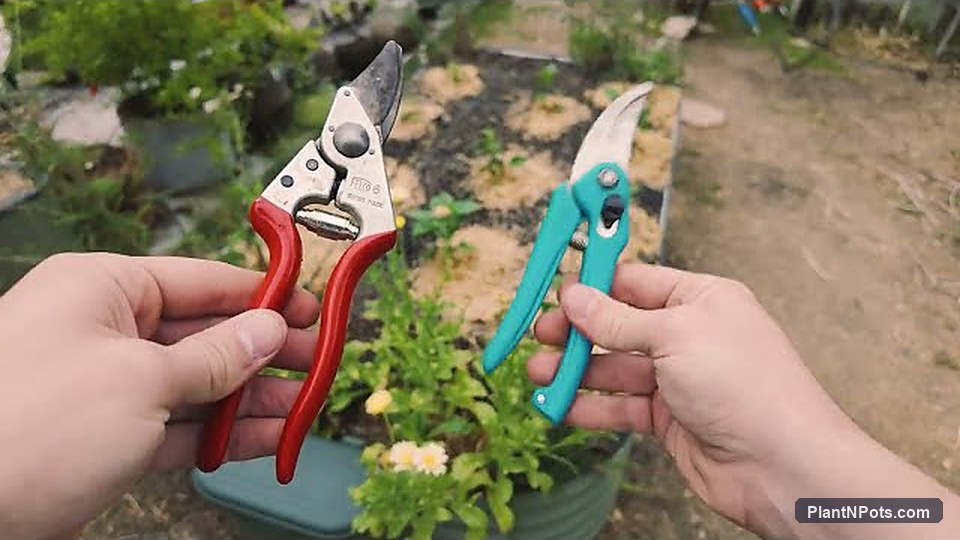
Interrupting established foraging routines requires consistent daily monitoring and prompt cleanup of dropped debris. Clear away fallen fruit, seeds, and organic matter that signal an active food source.
Rotating your container positions every few weeks confuses animal navigation and prevents permanent habit formation in your garden space.
- Sweep up spilled potting soil immediately after repotting outdoor containers.
- Store open bags of fertilizer and organic amendments in sealed plastic bins.
- Observe garden activity patterns to identify peak morning and evening foraging times.
- Combine multiple deterrent strategies for maximum long-term protection results.
Monitoring Success Over Time
Keep a simple garden journal noting which deterrent methods successfully protect specific plant varieties. Adjust your tactics promptly if wildlife figures out a workaround.
Patience and persistence remain your greatest assets when managing urban and suburban wildlife.
- Inspect physical barriers monthly for signs of wear or displacement.
- Rotate scent repellents seasonally so local wildlife fails to adapt.
Frequently Asked Questions
Will cayenne pepper harm my potted plants?
Pure cayenne pepper is completely safe for container plants when applied directly to soil surfaces. Avoid dusting delicate foliage directly to prevent minor leaf scorching.
How often should I reapply spice deterrents?
Reapply powdered pepper or essential oil sprays every five to seven days. Heavy rainfall washes away active compounds quickly, requiring immediate fresh product applications.
Do plastic forks stuck in soil actually work?
Plastic forks poked handle-down into soil create temporary physical obstacles against digging. However, persistent animals easily push them aside after initial investigation attempts.
What is the absolute best physical barrier?
Galvanized quarter-inch hardware cloth cut to fit pot interiors provides foolproof protection. It blocks paw access completely while allowing water and fertilizer penetration.
Can essential oils replace chemical animal repellents?
Botanical essential oils offer an effective, non-toxic alternative for smaller garden spaces. You must refresh cotton ball applications frequently since outdoor scents dissipate quickly in wind.

