Discover the mechanical engineering behind self-watering planters. Master moisture delivery for thriving indoor and outdoor container gardens.
Key Takeaway:
Self-watering planters use a closed water reservoir and a capillary wicking system to continuously draw moisture upward into the root zone without waterlogging your soil.
Quick-Reference Guide
| Factor / Scenario | Recommended Target | Why It Matters |
|---|---|---|
| Reservoir Capacity | 20 to 30 percent of total volume | Ensures adequate supply between manual refills during peak heat. |
| Growing Medium | Soilless peat-perlite or coco coir | Promotes strong vertical wicking without heavy soil compaction. |
| Wicking Material | Nylon, polyester, or soil columns | Facilitates continuous upward capillary movement against gravity. |
| Refill Frequency | Every 5 to 10 days | Prevents complete drying while maintaining necessary root oxygenation. |
| Overflow Port | Positioned 1 inch above reservoir | Allows excess rainwater to escape before roots sit in stagnant water. |
| Fertilizer Method | Diluted liquid feed in reservoir | Distributes nutrients evenly through the root zone via absorption. |
Understanding the Core Mechanics of Self-Watering Planters
Self-watering containers rely on a subsurface liquid reservoir rather than traditional top-down irrigation methods. This bottom-up approach delivers consistent moisture directly to the soil mix, keeping root zones ideally hydrated.
Gardeners looking to optimize plant hydration often adopt these specialized systems to reduce daily maintenance. By maintaining a steady water table below the planting chamber, plants regulate their own moisture uptake.
Understanding this operational cycle helps prevent common container gardening errors like overwatering or drought stress. The closed environment minimizes surface evaporation, ensuring that precious hydration reaches the intended root zone.
Modern container designs integrate seamlessly into urban gardening spaces, balconies, and patios. They provide a reliable buffer during hot summer weeks when traditional pots dry out within a single afternoon.
Self-watering planters revolutionize passive hydration by utilizing a bottom reservoir design that continuously feeds moisture upward to the root zone without requiring daily surface watering or complex electronic timers or pumps.
When scaling up your indoor garden, investing in the best large self watering planters ensures your heavy foliage stays properly hydrated without requiring constant maintenance or daily monitoring routines.
Operating efficiently across standard indoor temperatures between 65 and 75 degrees Fahrenheit, these planters reduce evaporation rates significantly compared to traditional top-watered pots exposed to dry household heating and cooling vents.
Gardeners can leverage this technology to support consistent plant growth during vacations or busy workweeks, provided they monitor the fluid levels regularly and flush the reservoir seasonally to prevent mineral salt accumulation.
- Eliminates daily guesswork by storing water in a hidden base compartment.
- Reduces surface evaporation losses compared to standard top-watered flower pots.
- Encourages deep root growth as plants seek out the lower moisture source.
- Protects delicate foliage from fungal diseases caused by wet leaves.
The Evolution of Sub-Irrigated Planters
Early sub-irrigated planters were simple DIY constructions using PVC pipes and plastic buckets. Today, manufacturers engineer sophisticated dual-wall injection-molded plastics with integrated overflow drains and water-level indicators.
Choosing commercial models ensures material durability and UV resistance for outdoor environments. Select containers made from food-grade polyethylene or polypropylene to prevent chemical leaching into edible root crops.
- Engineered plastics prevent cracking during freezing winter temperatures.
- Clear float gauges show exact water levels without opening the system.
The Four Essential Components Inside Every Functional System
Every functional self-watering container features four distinct physical zones working in harmony. The bottom chamber serves as the water reservoir, holding liquid securely away from the plant roots.
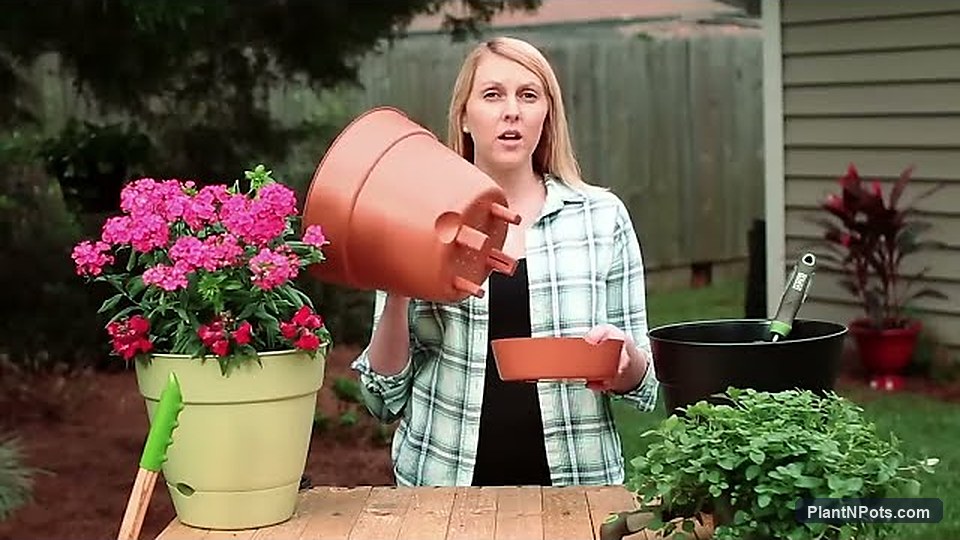
Directly above the reservoir sits a sturdy aeration screen or separation platform. This physical barrier supports the growing medium and creates an essential air gap for healthy root respiration.
Wicking mechanisms bridge the gap between the liquid reservoir and the soil above. These porous columns or fabric strips draw moisture upward through the natural force of capillary action.
Finally, an access tube and an overflow drain complete the structural assembly. The fill tube allows direct watering, while the overflow hole prevents disastrous flooding during heavy rainstorms.
The water reservoir sits safely at the very bottom, holding a specified liquid volume that determines how long the planter can operate independently before requiring a refill from the user.
A sturdy aeration screen or divider platform creates a crucial air gap right above the water line, preventing the potting soil from getting completely saturated and suffocating the root system.
Capillary wicks or soil bridging channels extend downward from the main growing chamber into the reservoir, drawing moisture upward continuously through natural cohesive and adhesive forces acting on liquid molecules.
Finally, a fill tube or indicator gauge provides a direct access point for adding fresh water and monitoring internal levels without disturbing the established root ball or damaging surface soil structures.
- Water reservoir stores backup supply securely at the base.
- Aeration screen provides crucial oxygen space for root systems.
- Wicking columns pull water upward continuously against gravity.
- Overflow drain expels excess rainwater during outdoor storms.
Choosing the Right Wicking Material
Wicks can be constructed from proprietary synthetic cords, strips of geotextile fabric, or dense columns of potting mix. Synthetic fibers resist rotting and maintain long-term structural integrity.
Always verify that your chosen wick makes firm contact with both the water below and the soil above. Poor physical contact halts capillary transfer and leaves upper soil completely dry.
- Nylon and polyester cords resist microbial breakdown in wet environments.
- Perforated soil cones utilize standard potting mix for direct wicking.
Video Walkthrough: Self-Watering Planters: How to Use Them \u0026 How They Work
The Physics of Capillary Action and Moisture Movement
Capillary action is the primary physical force driving self-watering container systems. It describes how liquids flow through narrow spaces without external assistance, driven by adhesion and cohesion forces.
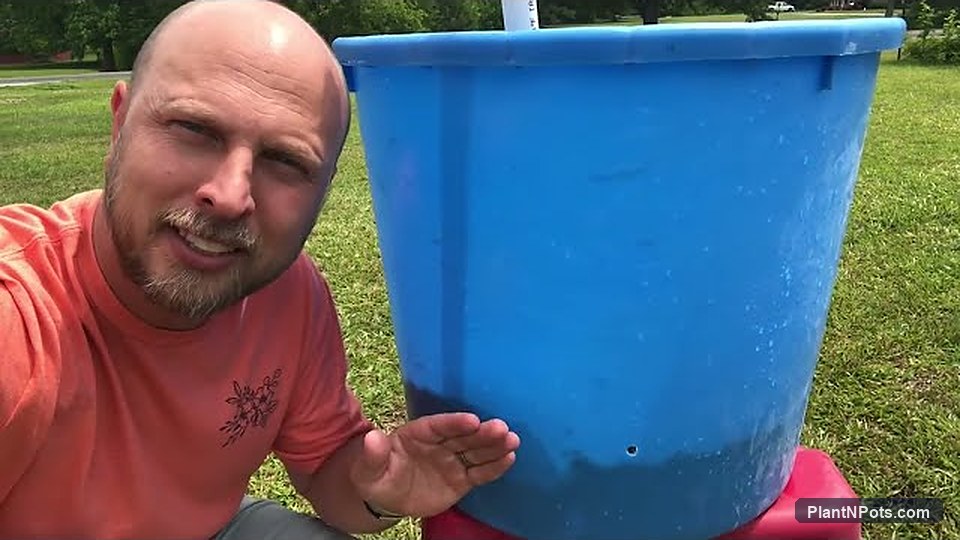
Water molecules cling to the interior walls of tiny pores found within your potting mix and wicking fibers. This adhesive property pulls the liquid upward, defying the downward pull of gravity.
As plants transpire moisture through their leaves, they create a continuous demand for water. This biological suction draws more liquid upward from the reservoir through the active wick.
The soil achieves a state of equilibrium, holding only the moisture it can retain against gravity. This prevents the waterlogged conditions that typically suffocate container-grown root systems.
Capillary action relies on surface tension properties and adhesion to pull water molecules upward against the downward pull of gravity through tiny microscopic pores found within specialized potting substrates.
As roots consume moisture near the upper boundary, a natural pressure gradient forms, pulling additional water molecules steadily upward from the submerged reservoir to maintain continuous equilibrium throughout the entire root zone.
Substrate selection heavily influences this process, requiring a porous soil blend containing peat moss, perlite, or coir that facilitates rapid vertical water movement without retaining excessive moisture that causes decay.
Ambient relative humidity levels between 40 and 60 percent help regulate transpiration rates, ensuring the upward moisture delivery matches the exact hydration demands of the actively growing foliage above.
- Adhesion allows water molecules to stick to narrow soil pore walls.
- Cohesion binds water molecules tightly together in unbroken liquid columns.
- Plant transpiration rates naturally regulate the speed of water delivery.
- Gravitational drainage prevents excessive saturation in the root zone.
Step-by-Step Instructions for Planting and Filling Correctly
Setting up a self-watering container requires a specific planting method to initiate proper wicking. Begin by thoroughly moistening your chosen potting mix before adding it to the main container basin.
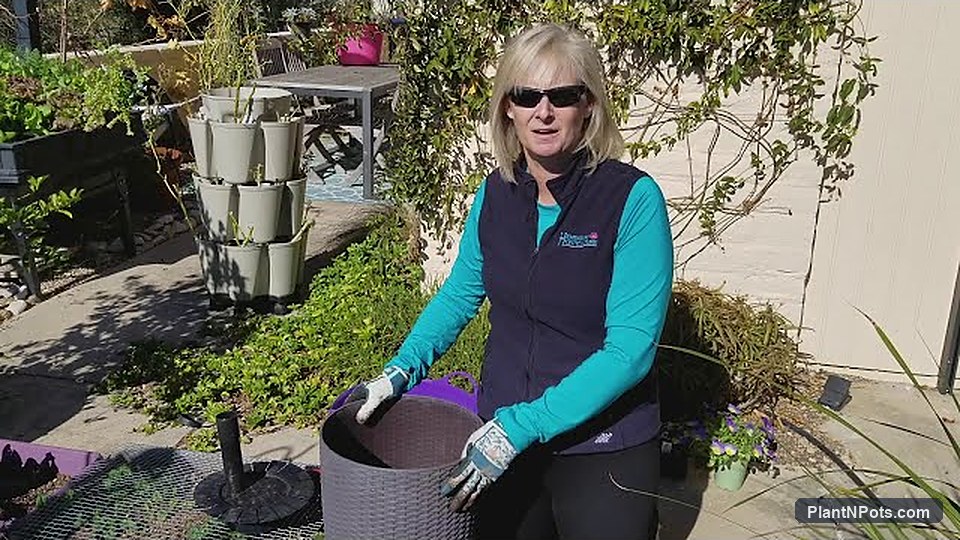
Pack the damp soil firmly into the wicking cups or columns to eliminate air pockets. Proper soil contact is vital for establishing the continuous capillary bridge needed for fluid transfer.
This precise setup method applies equally well when arranging the best windowsill herb pots with tray for your compact indoor kitchen culinary garden projects.
Fill the bottom reservoir through the access tube until the indicator shows maximum capacity. Allow the system to sit undisturbed for twenty-four hours while capillary action saturates the upper soil.
Begin by placing the aeration grid inside the clean vessel, ensuring the capillary wicks or soil columns make direct, firm contact with the bottom floor of the water reservoir chamber.
Layer a specialized, well-draining potting mix directly over the grid, lightly packing the soil around the wicks to eliminate air pockets that could disrupt the continuous upward flow of moisture.
Position your plant securely and fill the container with soil up to one inch below the top rim, leaving adequate space for future watering actions and preventing messy overflow during maintenance.
Fill the reservoir slowly through the designated tube until the indicator float reaches maximum capacity, then perform a single top-watering session to initially settle the fresh soil around roots.
- Pre-moisten potting soil before filling to jumpstart capillary wicking.
- Pack soil firmly into wicking chambers to avoid air gaps.
- Water top soil once after planting to settle root structures.
- Fill base reservoir slowly and monitor the external water gauge.
Managing Reservoir Dry-Outs and Preventing Root Rot
Neglecting reservoir levels can disrupt the continuous moisture column and stress your plants. If the basin runs completely dry, the potting mix may become hydrophobic and resist future rewetting.
Maintaining consistent reservoir moisture levels is especially critical for thirsty specimens like the [best evergreen shrubs for pots](https://plantnpots.com/?p=3525) during peak summer heat cycles and dry spells.
Conversely, ensure your overflow drain remains clear of debris and mineral salt buildup. Blocked drainage holes trap excessive rainwater, creating anaerobic conditions that lead to fatal root rot.
Flush the entire soil profile with fresh water from the top every few months. This practice removes accumulated mineral salts that often crystallize near the soil surface.
Allowing the reservoir to run completely dry for extended periods can permanently damage capillary wicks and cause sudden plant stress, necessitating careful re-saturation protocols starting with gentle top watering.
Prevent harmful root rot by maintaining an unblocked air gap beneath the soil platform, which ensures oxygen reaches root tips and stops them from drowning in stagnant reservoir water.
Flush accumulated mineral salts from the system every four to six weeks by pouring clean water downward through the soil until it drains completely out of the overflow outlet.
Clean the entire reservoir chamber thoroughly during seasonal replanting using a dilute hydrogen peroxide solution to eliminate bacteria, algae buildup, and mineral crusts that could impair future system performance.
- Check water level gauges at least two times per week.
- Refill reservoirs before they empty to prevent soil hydrophobic states.
- Keep outdoor overflow drains clear of leaves and mineral crust.
- Flush top soil periodically to leach out built-up fertilizer salts.
Benefits, Limitations, and Plant Selection Strategies
Self-watering planters offer immense advantages for moisture-loving vegetables like tomatoes, peppers, and leafy greens. They eliminate erratic watering cycles that cause blossom end rot and fruit splitting.
However, drought-tolerant species like succulents, cacti, and lavender struggle in these constantly damp environments. Their root systems require dry-down periods between waterings to prevent fungal decay.
Container gardeners must carefully match plant varieties to the continuous moisture delivery of sub-irrigated systems. Annual flowers, herbs, and heavy-drinking patio crops thrive wonderfully in these setups.
Understanding these biological limits ensures you deploy your planters where they provide maximum benefit. Enjoy effortless gardening by respecting the unique physics of subsurface container irrigation.
These innovative planters deliver exceptional water efficiency savings by minimizing surface evaporation losses, making them ideal choices for moisture-loving foliage, herbs, and flowering species that demand consistent hydration.
Avoid planting drought-tolerant succulents or cacti in these systems because their roots require complete drying cycles between watering sessions to prevent stem rot and physiological collapse in wet soil.
Monitor ambient room temperatures carefully, keeping environments between 65 and 80 degrees to support healthy metabolic rates and prevent the stagnant water conditions often favored by fungus gnats.
Selecting heavy-feeding vegetables like tomatoes or peppers yields fantastic harvest results when paired with these planters, provided you supplement the reservoir water with balanced liquid fertilizers on a monthly schedule.
- Thriving crops include tomatoes, peppers, cucumbers, and lush annual flowers.
- Unsuitable plants feature drought-loving succulents, cacti, and Mediterranean herbs.
- Prevents blossom end rot by maintaining steady calcium-carrying moisture.
- Reduces water consumption by eliminating surface runoff and rapid evaporation.
Frequently Asked Questions
How often should I refill the water reservoir?
Check your container's gauge every 5 to 7 days during warm weather. Refill the basin before it runs completely dry to maintain steady capillary wicking.
Can I grow succulents in a self-watering planter?
Succulents and cacti generally dislike the continuous moisture provided by these systems. They require dry-down periods and prefer standard pots with fast-draining soil.
Do these planters attract mosquitoes in outdoor areas?
Enclosed reservoirs prevent mosquitoes from accessing standing water. Always verify your container design features a fully sealed or filtered refill opening.
What kind of potting soil should I use?
Use a high-quality soilless mix containing peat moss or coco coir with perlite. Avoid heavy garden dirt, which compacts easily and halts capillary action.
How do I prevent fertilizer salt buildup in the soil?
Flush the topsoil with fresh water from above every four to six weeks. This washes accumulated mineral salts down and out through the overflow drain.

