Discover professional strategies to identify, remove, and prevent unsightly fungal growth on your container soil without harming your indoor greenery.
Key Takeaway:
Surface mold typically feeds on decaying organic matter in damp environments. Improve air circulation and let topsoil dry completely between watering sessions to eliminate it safely.
Quick-Reference Guide
| Factor / Scenario | Recommended Target | Why It Matters |
|---|---|---|
| Topsoil Moisture | Dry top 2 inches | Stops fungal spore germination |
| Indoor Humidity | 40% to 50% | Prevents ambient spore proliferation |
| Air Circulation | Gentle indoor breeze | Accelerates surface evaporation rates |
| Drainage Setup | Unblocked holes + feet | Eliminates stagnant root-zone pooling |
| Soil Amendments | Perlite or pumice | Enhances internal oxygen diffusion |
| Organic Debris | Immediate removal | Denies fungi their food source |
Identifying Mold on Dirt in Potted Plant Environments
White or yellow fuzz growing on container soil often signals harmless saprophytic fungi. Saprophytic mold thrives on decomposing bark, peat, and compost found in standard potting mixes.
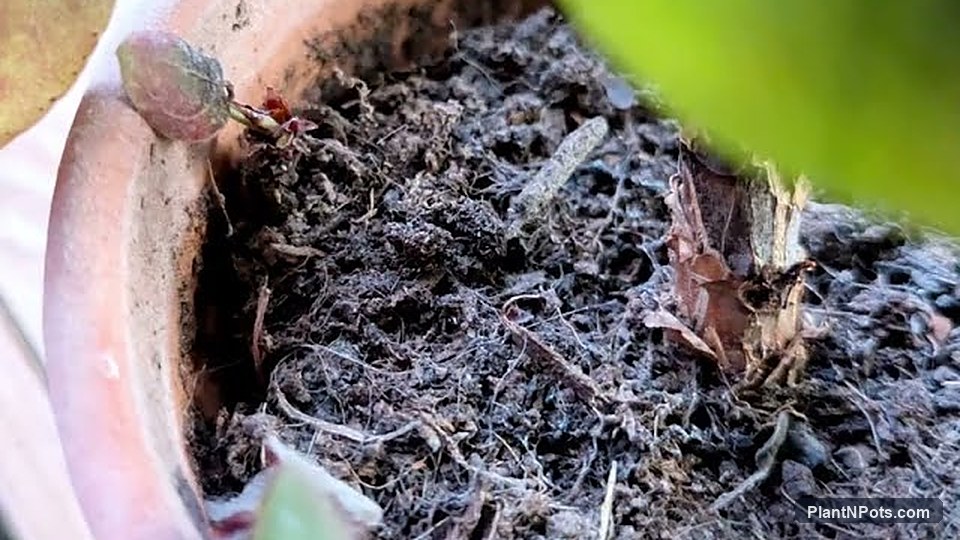
Managing soil mold often overlaps with proper container care, especially when arranging [best evergreen shrubs for pots](https://plantnpots.com/?p=3525). Proper ventilation prevents stagnant air from trapping excess moisture around the base.
High humidity combined with stagnant indoor air creates the ideal microscopic incubator for spores. Ambient moisture settles on damp dirt surfaces, quickly triggering visible hyphae networks within days.
Check the density of your potting medium to see if it retains excessive moisture. Compacted substrates lack the internal oxygen needed to suppress aggressive fungal spore germination and vegetative spread.
- Observe the color and texture of the surface growth.
- Check if the fuzz smells musty or earthy.
- Assess how long the topsoil stays wet after watering.
- Inspect nearby houseplants for similar moisture issues.
Recognizing Subtype Variations
Powdery white patches often appear after applying organic fertilizers or liquid compost teas. Nutrient-rich mixtures accelerate microbial activity when temperatures remain consistently warm and humid.
Brighter yellow or orange slime molds occasionally colonize extremely wet, unsterilized compost. Slime molds look alarming but remain entirely harmless to established container foliage and root systems.
- Note any sudden changes in fertilizer routines.
- Track indoor humidity fluctuations across seasons.
Primary Triggers Behind Fungal Bloom in Containers
Overwatering remains the single most common cause of fungal outbreaks in indoor planters. Saturated soil cuts off vital oxygen supplies while maintaining the constant wetness required by fungi.
Inadequate drainage holes trap excess irrigation water at the bottom of heavy ceramic pots. Stagnant pools elevate root zone humidity and encourage surface mold colonization across the dirt.
Using heavy garden soil instead of sterile potting mix introduces countless dormant fungal spores. Garden dirt lacks the necessary aeration and contains high loads of organic decay organisms.
Poor indoor ventilation traps moisture directly above the container soil surface during winter heating. Dead air zones prevent surface evaporation, allowing microscopic spores to multiply unchecked.
- Verify container bottom drainage functions properly.
- Avoid using heavy, non-sterile outdoor garden soil.
- Space indoor plants to improve air movement.
- Reduce watering frequency during cooler winter months.
Video Walkthrough: EFFECTIVELY KILL Moldy Top Soil | Treating Mold On Plant Soil | Houseplant Care Tips | Plant Care
Assessing Potential Health Risks for Humans and Pets
Most common indoor plant molds pose minimal threat to healthy adults sharing the space. Saprophytic fungi rarely release enough airborne spores to impact people with normal immune systems.
Individuals with severe allergies, asthma, or compromised immunity may experience respiratory irritation. Sensitive occupants can react to concentrated spores drifting from heavily infested container soil surfaces.
Curious cats and dogs might dig into moldy pots, risking mild gastrointestinal upset if ingested. Pet safety requires physical barriers or prompt soil remediation to prevent accidental consumption.
Keeping infected plants in poorly ventilated bedrooms can trigger nighttime coughing in sensitive sleepers. Air filtration units help capture airborne spores before they cause persistent respiratory discomfort indoors.
- Move vulnerable individuals away from moldy planters.
- Place decorative stones over soil to block pets.
- Run HEPA air purifiers in enclosed plant rooms.
- Consult a physician if unexplained allergies persist.
Evaluating Whether Surface Mold Harms Container Plants
Preventing surface crusts requires consistent moisture regulation, which is much easier when using large self-watering planters. Balanced hydration stops the topsoil from forming dense, impenetrable barriers over time.
Severe fungal crusts can occasionally form a dense barrier that blocks water penetration. Impermeable crusts prevent vital moisture from reaching lower root zones during standard watering routines.
Heavy mold growth often points to chronic overwatering, which ultimately causes root rot. Root suffocation poses a far greater danger to your plant than the surface mold itself.
Monitor your plant for yellowing leaves, wilting, or stunted growth alongside soil mold outbreaks. Declining foliage indicates that the underlying root system is suffering from excessive moisture.
- Scrape away thick crusts to restore water absorption.
- Inspect root health if wilting accompanies mold.
- Test soil moisture depth with a wooden dowel.
- Repot plants showing signs of advanced root decay.
Effective Physical Removal Techniques for Pot Surfaces
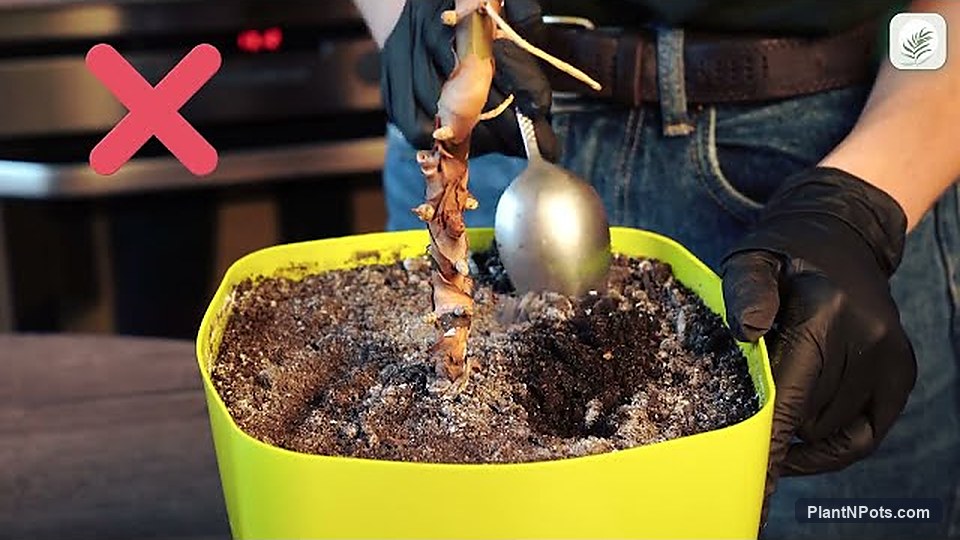
Start remediation by physically scraping away the top layer of moldy dirt. Manual removal eliminates the visible fungal biomass and reduces the total spore count instantly.
Carefully scoop out the top half-inch of contaminated soil using a small garden trowel. Disposing safely of this upper layer prevents remaining spores from reinfecting the container.
Dust the exposed lower soil surface with a light layer of cinnamon powder. Ground cinnamon acts as a natural antifungal agent that inhibits residual spore germination effectively.
Allow the remaining potting medium to dry out thoroughly before applying more water. Drying cycles stress surviving fungi and prevent immediate recurrence on the fresh surface.
- Wear gloves when scraping away contaminated soil layers.
- Discard removed moldy dirt in outdoor trash bins.
- Apply pure cinnamon evenly across the exposed dirt.
- Delay watering until the top two inches dry.
Video Walkthrough: Easily Remove Mold on the Soil of Indoor Plants in 3 Steps NOW
Optimizing Soil Drainage and Aeration Parameters
Upgrading your container drainage setup prevents chronic moisture retention in the root zone. Drainage holes must remain completely unblocked to allow excess irrigation water to escape.
Mix perlite, pumice, or coarse orchid bark into your heavy potting soil mixes. Porosity amendments create internal air channels that accelerate drying and prevent fungal colonization.
Elevate planters off saucers using pot feet to maintain continuous airflow underneath. Air gaps stop stagnant water from pooling against drainage ports and drawing moisture upward.
Select breathable container materials like unglazed terra cotta for moisture-sensitive houseplants. Terra cotta walls allow excess moisture to evaporate laterally through the porous clay matrix.
- Clear blocked drainage holes with a wooden skewer.
- Incorporate perlite into dense commercial potting mixes.
- Use ceramic pot feet beneath heavy indoor planters.
- Empty saucer runoff within minutes of watering.
Proven Cultural Practices to Prevent Future Fungal Growth
Adjust your watering technique to ensure the soil dries properly between sessions. The soak-and-dry method prevents the continuous dampness required by persistent household mold species.
Position small oscillating fans nearby to keep indoor air moving around dense foliage. Air circulation rapidly evaporates surface moisture and disrupts microscopic fungal spore development cycles.
Remove fallen leaves and dead organic debris from the container soil surface. Clean surfaces deny opportunistic fungi the decaying organic matter they require for initial colonization.
Sterilize reused pots thoroughly with a mild bleach solution before planting new greenery. Sanitized containers eliminate lingering fungal spores from previous gardening seasons and protect roots.
- Check soil dryness inches deep before watering.
- Run small fans in stagnant indoor plant corners.
- Clear dead leaves and debris from dirt surfaces.
- Wash old pots in warm soapy water regularly.
Frequently Asked Questions
Is white mold on plant soil harmful?
Most white surface mold is harmless saprophytic fungi feeding on organic matter. Healthy plants usually suffer no direct damage from this superficial growth.
Can I just scrape the mold off?
Yes, manually removing the top layer of contaminated soil eliminates active spores. Surface scraping combined with better airflow solves minor mold problems quickly.
Why does my houseplant soil keep getting moldy?
Chronic mold usually stems from overwatering, poor drainage, and stagnant air. Moisture control adjustments prevent these recurring fungal outbreaks effectively.
Does cinnamon really kill soil mold?
Cinnamon contains natural antifungal properties that inhibit fungal growth. Dusting cinnamon over the soil provides a safe, organic deterrent against recurrence.
Should I repot my plant if it has mold?
Repotting is rarely necessary unless the mold is accompanied by root rot. Surface treatment and drying out the soil usually suffice.

