No, not all plants can be successfully bottom watered, though the technique works exceptionally well for many common indoor potted species. Bottom watering involves placing a potted plant into a basin of water and allowing the potting mix to absorb moisture upward through the drainage holes via capillary action. While this method prevents foliage wetting and ensures even root hydration, certain plant types, soil conditions, and container configurations make top watering a safer or more necessary choice for overall plant health.
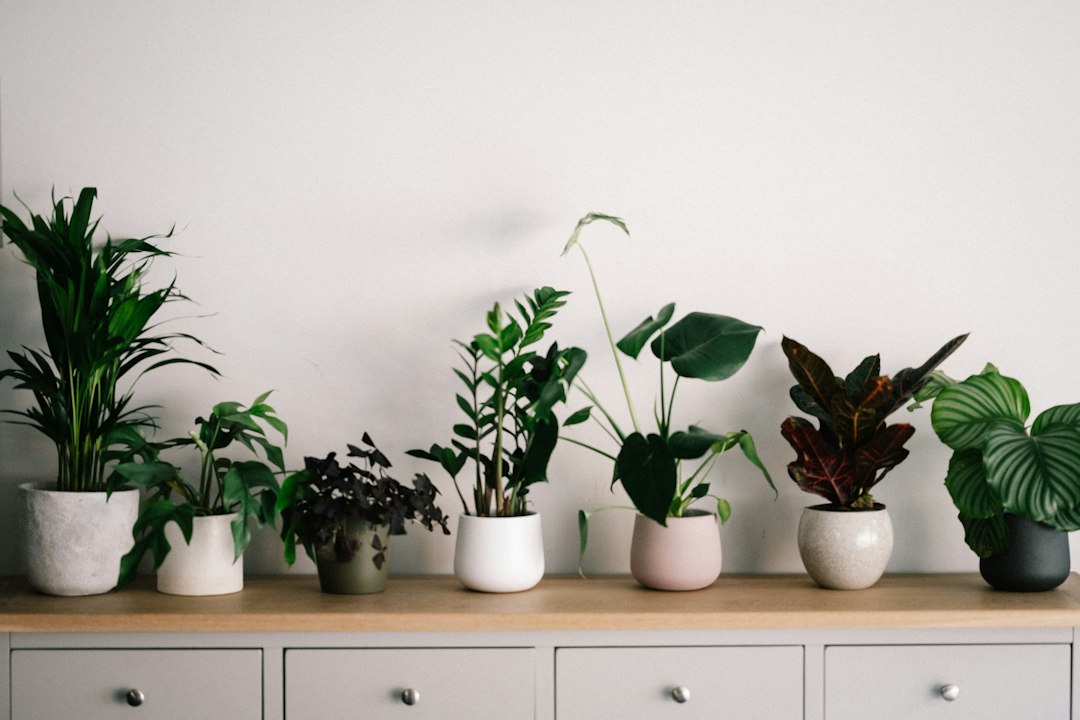
Understanding plant root habits and soil dynamics helps determine when bottom watering is appropriate. Plants that suffer from crown rot when stems stay damp often thrive when moisture enters strictly from the base of the container. Conversely, species that require frequent leaching of mineral salts or those grown in heavy, poorly draining soils can experience severe root stress if restricted to bottom hydration exclusively. Evaluating each individual plant’s natural habitat provides the best clue for watering methodology.
Indoor gardeners should also consider container size, material, and setup before committing entirely to bottom watering routines. Large, heavy ceramic or stone pots become impractical to lift into sinks or basins regularly, requiring alternative watering strategies. Furthermore, understanding the limitations of capillary action in various soil mixes prevents common pitfalls such as dry upper root zones or stagnant lower soil layers. Balancing both top and bottom watering methods usually yields the healthiest long-term results for diverse indoor plant collections.
Mechanics of Bottom Watering
How the Process Works
Bottom watering relies heavily on capillary action, a physical phenomenon where water moves upward through narrow spaces within the potting mix against the pull of gravity. As the dry soil components contact the water surface at the pot base, microscopic pores between soil particles draw moisture upward. This gradual absorption process wets the entire root ball evenly without disturbing the soil surface or splashing dirt onto delicate foliage.
The rate of upward water movement depends largely on the structure and composition of the potting medium. Porous, well-aerated mixes containing peat, perlite, or coir facilitate smooth capillary flow from the bottom drainage holes to the upper root zone. Denser, compacted soils often interrupt this upward migration, leaving the upper layers completely dry while the bottom roots sit in overly saturated conditions for extended periods.
Essential Equipment Needed
Gathering appropriate basins, trays, or deep saucers makes the bottom watering routine efficient and clean. The container holding the water should be wide enough to accommodate the base of the plant pot and deep enough to submerge the bottom one to two inches of the container without overflowing onto household surfaces. Waterproof nursery trays, plastic washbasins, or specialized saucers serve this purpose reliably without requiring complex plumbing setups.
Using clean, room-temperature water prevents thermal shock to sensitive root systems during the absorption process. Having a dedicated cloth nearby helps wipe down pot bases before returning them to decorative cachepots, preventing rings of mineral residue or standing water from damaging furniture. Maintaining separate basins for different plant groups also minimizes the accidental spread of soil-borne pests or fungal spores between individual potted specimens.
Timing and Duration Rules
Determining how long to leave a plant sitting in water requires careful observation rather than strict clock-watching. The time needed varies considerably with pot size, mix composition, and how dry the medium is; many growers check the surface for dampness rather than following a fixed duration. Leaving pots submerged past the point of saturation does not benefit the plant and frequently leads to oxygen deprivation in the lower root zone.
For moisture-loving tropical houseplants, gardeners can check the upper potting mix to confirm moisture has traveled upward, removing the pot once the surface feels lightly damp. For succulents and drought-tolerant species, soak only long enough to hydr
ate the lower root zone while leaving the surface relatively dry. Once finished, lift the pot promptly and allow excess water to drain completely rather than letting it sit indefinitely in standing runoff.
Plants That Thrive With Bottom Watering
African Violets and Relatives
African violets and other members of the Gesneriad family possess fuzzy leaves that trap moisture and easily develop unsightly brown spots or fungal decay when splashed. Bottom watering provides a direct solution by keeping foliage entirely dry while delivering steady moisture straight to the root system. These plants appreciate the gentle, measured hydration that capillary action provides without the risk of crown rot caused by standing water on leaf surfaces.
The delicate root systems of African violets also benefit from the absence of heavy water pressure from top-watering cans, which can compact lightweight peat mixes. By drawing up only the water they require, these plants maintain steady turgor pressure in their stems and leaves. Growers find that adopting a regular bottom-watering routine significantly reduces leaf drop and encourages more consistent, vibrant blooming throughout the indoor growing season.
Succulents and Cacti
Succulents and desert cacti store water in their thick leaves, stems, or roots, making them highly susceptible to stem rot if their crowns remain wet. Bottom watering allows these drought-adapted species to absorb moisture slowly while keeping the surface soil and vulnerable crowns dry, which significantly reduces the risk of stem and crown rot in arid plants.
When bottom watering succulents, gardeners must ensure the potting mix dries out completely between sessions to mimic their native habitat cycles. Porous terra cotta pots combined with gritty, fast-draining succulent mixes work exceptionally well with this technique, as excess moisture evaporates rapidly from the container walls. Limiting water exposure exclusively to the lower root zone keeps the upper stems firm, dry, and protected from common rotting organisms.
Large Foliage Houseplants
Large tropical foliage plants, such as monsteras, philodendrons, and large palms, develop extensive root systems that can be difficult to water evenly from the top. Heavy, compacted surface soil often causes top-watered streams to channel down the inside walls of the pot without hydrating the central root mass. Bottom watering, when feasible using rolling plant caddies or temporary basins, helps ensure that the entire root ball receives uniform moisture distribution.
Because these large specimens often inhabit sizable containers, monitoring weight changes provides the best indicator for when bottom watering is necessary. A thoroughly hydrated large pot feels noticeably heavier than a dry one, helping growers gauge when the medium requires rehydration. Distributing moisture from the bottom up also prevents the topsoil from becoming overly crusty, maintaining better air exchange at the surface of the root zone.
Species Unsuited for Bottom Watering
Epiphytes and Orchids
Epiphytic plants, including most common indoor orchids and bromeliads, naturally grow on the branches of other trees where their roots are exposed to rapid air movement and intermittent rainfall. These species require coarse, bark-based potting media rather than dense soil mixes. Bottom watering is generally ineffective for bark mixes because chunky materials lack the capillary action needed to pull water upward efficiently to the upper root zones.
Instead of traditional bottom watering, orchids and epiphytes thrive when their pots are drenched thoroughly from above or run under a gentle faucet stream, allowing water to flush completely through the loose bark. This top-down drenching mimics tropical rainstorms and ensures that every piece of bark receives adequate moisture while maximizing vital airflow around the exposed aerial roots.
Plants Sensitive to Salt Accumulation
Certain indoor plants, such as gardenias, ferns, and citrus trees, are sensitive to mineral accumulation and require periodic heavy top watering to leach out excess salts. When tap water contains high levels of dissolved minerals, these substances gradually accumulate in the potting mix. With bottom watering alone, dissolved minerals are never flushed downward and out of the pot; as water evaporates from the soil surface, salts can accumulate in the upper root zone over time and contribute to leaf tip burn.
To keep these sensitive species healthy, growers must periodically saturate the pot from the top, allowing substantial runoff to escape through the drainage holes. This flushing action washes accumulated mineral deposits out of the root zone entirely. While bottom watering can be used intermittently, incorporating regular top-down flushes is essential for preventing soil toxicity in mineral-sensitive plants.
Top-Heavy Specimen Pots
Very tall or top-heavy specimen plants grown in narrow nursery pots present physical safety and stability challenges during bottom watering attempts. Submerging an unstable container in a basin of water creates a high risk of tipping, which can spill water, crack decorative pots, or damage fragile branches. Furthermore, tall plants are difficult to lift safely in and out of water basins without straining wrists or spilling soil.
For large, top-heavy specimens, top watering remains the practical standard, provided the grower uses a watering can with a narrow spout to direct moisture evenly across the soil surface. Utilizing a soil moisture meter helps verify that water penetrates deeply into the root zone without requiring the heavy container to be moved or submerged in a distant basin.
Potential Risks and Maintenance Challenges
Mineral Salt Accumulation
One significant disadvantage of relying exclusively on bottom watering is the progressive buildup of mineral salts near the soil surface. As water evaporates from the top of the pot, dissolved calcium, magnesium, and fertilizer salts are left behind in the upper soil layers and around the plant base. Over time, this crust can damage lower stems and create an inhospitable chemical environment for root growth.
To mitigate this risk, indoor gardeners should alternate bottom watering with occasional top watering that flushes the entire root profile. Pouring fresh water generously through the top of the container dissolves surface salt crusts and washes them out through the bottom drainage holes. This balanced approach captures the benefits of capillary watering while preventing toxic mineral accumulations in potted plants.
Soil Compaction Issues
While bottom watering avoids the forceful streams that crush surface soil, fine particles in aging potting mixes can still settle densely toward the pot base over time. When decomposed peat and fine sediments settle without sufficient structural amendments like perlite or pumice, soil pore space collapses, reducing oxygen exchange and slowing drainage in the lower root zone.
To maintain healthy soil structure, growers should periodically aerate the upper soil layer with a blunt chopstick or refresh degraded media during routine repotting. Incorporating coarse inorganic amendments such as perlite, pumice, or orchid bark ensures the potting mix resists dense settling, preserving necessary oxygen pockets throughout the root zone regardless of watering style.
Pest and Disease Transmission
Sharing a single basin of water among multiple houseplants creates a potential transmission route for soil-borne pests and fungal pathogens. If one potted plant harbors root aphids, fungus gnat larvae, or root rot fungi, the standing water can transfer these organisms to the drainage holes of healthy plants sitting in the same basin. Maintaining strict hygiene standards is vital when watering multiple specimens consecutively.
Indoor gardeners should inspect their plants regularly for signs of disease before grouping them for bottom watering sessions. Using fresh water for each individual plant or sanitizing communal basins between uses prevents cross-contamination. Discarding dirty basin water immediately and avoiding community soaking trays helps protect an entire indoor collection from spreading localized pest infestations.
When managing your indoor jungle, you might wonder if you can safely bottom water with fertilizer without burning delicate plant roots.
Frequently Asked Questions
Can I use leftover fertilizer water for bottom watering?
Using leftover fertilizer water for bottom watering is possible, but it requires careful management to avoid nutrient burn in potted plants. When plants draw up nutrient solutions from the base, any unused fertilizer salts remain concentrated in the soil as the liquid evaporates upward. This can quickly lead to an excessive buildup of minerals around the root tips if nutrient concentrations are too high or if flushing is neglected.
Growers should dilute liquid fertilizers to half or quarter strength before placing pots into the solution. Additionally, it remains important to periodically flush the potting mix with plain water from the top to wash away residual fertilizer salts. Monitoring plant foliage for signs of tip burn ensures that bottom-fed fertilizers are benefiting the plant rather than damaging its root system.
How often should I top water to flush salts?
The frequency of top watering to flush mineral salts depends on water quality, fertilization habits, and the specific plant species being grown. Because watering needs vary with species, container volume, ambient light, and temperature, growers should avoid rigid calendar schedules. Instead, monitor the medium for surface salt crusting and periodically provide a thorough top flush every few watering sessions to leach out excess minerals.
During a flush, apply water generously to the top of the potting mix until a significant volume runs freely out of the bottom drainage holes. Allow the pot to drain completely before returning it to its saucer. This simple routine dissolves accumulated mineral deposits and restores a balanced chemical environment within the container soil.
Why is my top soil still dry after bottom watering?
If the topsoil remains dry long after bottom watering, the potting mix likely lacks sufficient capillary action or the immersion time was too short. Old, hydrophobic peat-based mixes often repel water entirely when they dry out completely, preventing moisture from climbing to the surface. Alternatively, removing the pot too quickly before capillary action reaches the upper root zone leaves the top layers bone dry.
To resolve this issue, ensure the pot is submerged deep enough to allow water access and leave it in the basin until the surface feels damp to the touch. If the mix has become hydrophobic, submerge the pot longer or resort to a gentle top-down drenching to rewet the stubborn upper soil layers thoroughly. Repotting into a fresh, well-balanced mix also restores normal moisture movement.