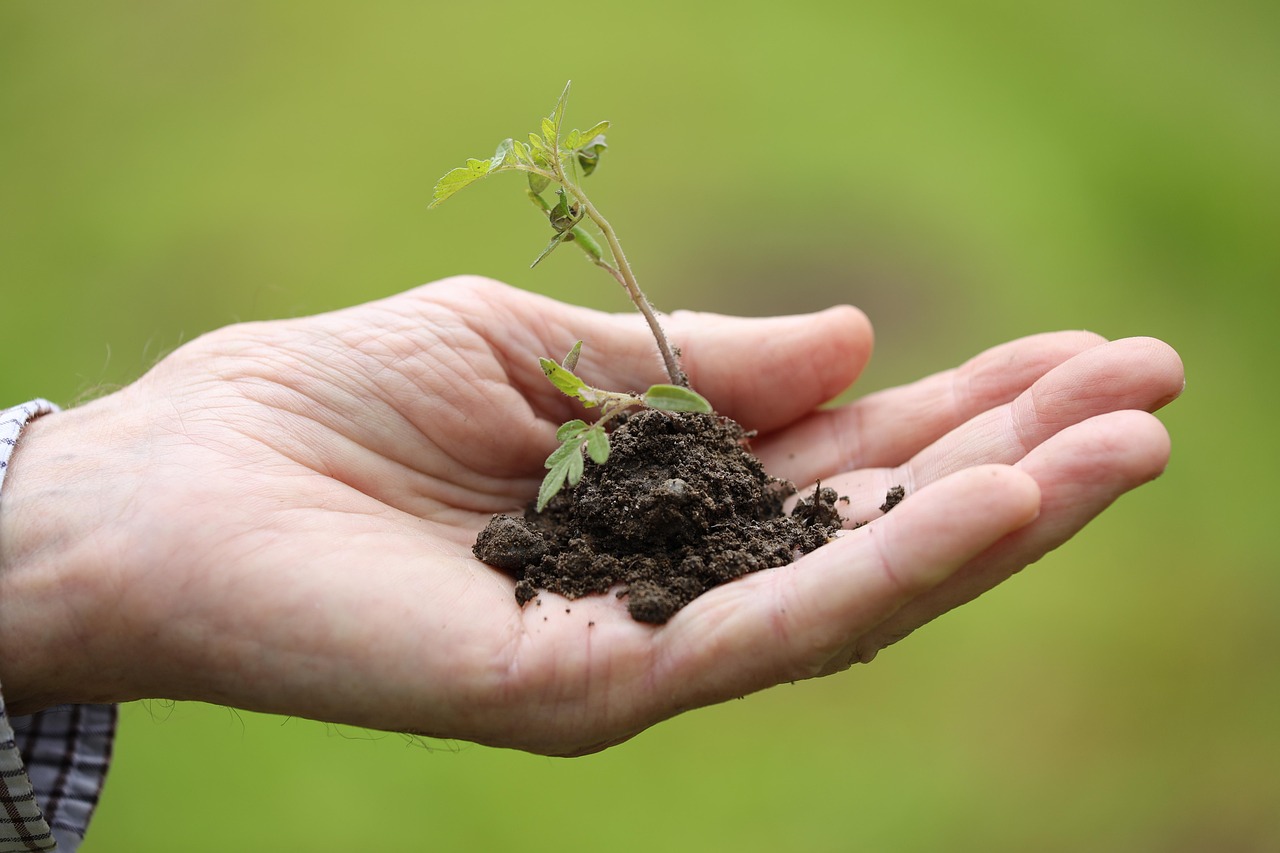
Choosing the correct depth of pot for a tomato plant is vital for healthy root development and overall fruit yield. Tomatoes possess vigorous root systems that require sufficient vertical space to anchor the plant and absorb adequate moisture and nutrients. For standard varieties, a container depth of twelve to eighteen inches provides the necessary vertical clearance to prevent root restriction. Shallow pots lead to premature root crowding, stunted growth, and increased vulnerability to drought stress during hot summer days.
When assessing container depth, growers must balance physical dimensions with the specific growth habits of determinate and indeterminate cultivars. Bushier determinate plants often manage well in slightly shallower, broader vessels, while tall indeterminate vines demand deep, heavy containers to support massive root zones and robust top growth. Matching the container depth to the biological requirements of your specific tomato variety ensures steady, sustained productivity throughout the growing season.
Root System Architecture and Container Depth Basics
The Taproot and Lateral Root Development
Tomato plants initiate growth with a primary taproot that naturally seeks vertical depth if unhindered. Secondary lateral roots spread outward to capture surface nutrition. Adequate container depth allows this natural architectural layout to function without premature coiling or circling.
Understanding this subterranean structure helps gardeners select vessels that accommodate natural root extension. When roots encounter adequate depth, the plant establishes a firm foundation that supports heavy foliage above.
Preventing Root Restriction and Stunting
When a container lacks sufficient depth, roots quickly hit the bottom and begin to circle. This root-bound state limits water uptake efficiency and starves the plant of essential minerals. Providing ample vertical room prevents these restrictive growth patterns.
Restricted roots cannot access nutrients effectively, leading to nutrient deficiencies even when fertilizers are applied regularly. Deep pots provide a buffer against rapid root binding during peak growth periods.
Oxygen Exchange and Root Respiration
Deep pots facilitate a healthier balance of moisture and aeration in the root zone. As water drains downward, it draws fresh oxygen into the upper and middle substrate layers. Proper depth prevents waterlogging at the very base while maintaining aerobic conditions.
Roots require oxygen for cellular respiration and nutrient absorption. A sufficiently deep container prevents the suffocating conditions often found in shallow, poorly draining dishes or small saucers.
Thermal Insulation for Subterranean Growth
Potted tomato roots are more exposed to temperature fluctuations than garden soil. Deeper soil volumes provide a thermal buffer against sudden heat spikes and unexpected chills. Maintaining stable root temperatures supports continuous nutrient absorption and metabolic function.
Extreme heat can scorch shallow root tips, halting plant growth entirely. Adequate depth keeps the core root environment insulated and resilient against environmental stress.
When
planning your container garden, understanding the right depth of pot for tomatoes ensures your plants develop strong roots.
Selecting the Right Pot Size for Different Tomato Varieties
Container Requirements for Determinate Tomatoes
Determinate tomatoes grow to a predetermined height, typically setting fruit all at once. Because their overall biomass is more compact, they can thrive in containers with a depth of twelve to fourteen inches and a capacity of five to seven gallons.
These bush-type plants do not require massive underground networks, making them ideal for gardeners with limited patio space who still want a reliable harvest of slicing or paste tomatoes.
Accommodating Indeterminate Vining Cultivars
Indeterminate tomatoes continue growing and producing fruit until frost halts them. These vigorous vines demand deeper pots, ideally fifteen to eighteen inches deep with a ten-gallon capacity or more, to support their extensive root structures.
Without adequate depth, indeterminate vines exhaust their nutrient supply rapidly and display signs of stress early in the summer season, severely curtailing overall fruit yield.
Dwarf and Micro-Tomato Exceptions
Dwarf varieties and micro-tomatoes are specifically bred for small spaces. These compact plants can succeed in containers with a depth of eight to ten inches. However, even dwarf plants suffer if pot volume is drastically undersized.
Using appropriately scaled small pots for micro-tomatoes ensures they receive proper moisture retention without sitting in excessively large volumes of damp, uncolonized potting mix.
Assessing Pot Diameter Versus Depth Ratios
While depth is crucial, width must scale proportionally. A tall, narrow pot can easily tip over under the weight of a mature, fruit-laden vine. A balanced container combines adequate depth with a wide base to ensure structural stability.
A stable base prevents accidental toppling during high winds on balconies or patios, protecting both the container and the delicate stems of your growing tomato plants.
Potting Mix Composition and Drainage Mechanics
Formulating a Well-Draining Substrate
Heavy garden soil compacts quickly inside containers, suffocating roots and impeding drainage. A specialized potting mix incorporating peat moss, coir, perlite, and compost creates the ideal porous structure required for deep tomato root runs.
Using native garden dirt in pots introduces weed seeds, pathogens, and compact clay that prevents proper water movement through deep vertical profiles.
The Role of Perlite and Organic Matter
Perlite creates microscopic air pockets within the potting medium, preventing the compaction common in deep containers. Combined with rich organic compost, it retains necessary moisture while allowing excess water to move freely downward.
Organic amendments provide slow-release nutrition, while inorganic aggregates maintain structural integrity over months of frequent watering cycles.
Managing Drainage Holes and Perched Water Tables
Every tomato container must feature functional bottom drainage holes. Without them, a perched water table forms at the base of the pot, keeping the deepest soil layers permanently saturated and inviting root rot pathogens.
Ensuring clear drainage pathways guarantees that gravity can pull surplus irrigation water out of the pot, preserving healthy aerobic conditions throughout the root zone.
Avoiding Soil Compaction Over Time
Over the course of a long growing season, watering compresses the potting mix. Using structural amendments like coarse bark or expanded clay pebbles helps maintain aeration channels throughout the full depth of the container.
Periodically fluffing the top layer or refreshing mulch layers helps preserve gas exchange, ensuring the deep roots continue to receive oxygen as the plant matures.
Watering and Moisture Retention at Depth
Hydrating the Full Soil Profile
Watering deeply is essential in large containers to ensure moisture reaches the bottom roots. Superficial watering only dampens the top few inches, forcing roots to stay near the surface and leaving the plant vulnerable to drought.
Gardeners should apply water slowly until it begins to emerge from the drainage holes, guaranteeing that the entire vertical column of soil achieves saturation.
Recognizing Subsurface Moisture Levels
Judging moisture by the surface layer is misleading in deep pots. Gardeners should test moisture levels a few inches down using a finger or a moisture meter to confirm that the lower root zone actually requires irrigation.
Relying on surface dryness often leads to overwatering, as the deep interior of a large container retains moisture significantly longer than the top crust.
Preventing Dry Pockets in Large Vessels
Large potting mixes can sometimes develop hydrophobic dry pockets if allowed to dry out completely. Re-wetting requires slow, thorough soaking or sub-irrigation methods to ensure water penetrates the entire depth of the pot uniformly.
If water runs down the inside walls of the pot without wetting the core, the root system suffers from localized drought conditions despite regular watering routines.
Mitigating Blossom End Rot Through Consistent Watering
Fluctuating moisture levels in the root zone impair calcium uptake, leading to blossom end rot. Maintaining a stable moisture balance throughout a sufficiently deep pot prevents this common physiological disorder in developing tomato fruits.
Deep pots hold moisture more steadily than shallow trays or small pots, making it easier to maintain the even hydration levels tomatoes require to prevent calcium transport issues.
Repotting, Support, and Balcony Growing Considerations
Transitioning Young Seedlings Through Container Stages
Starting tomatoes in tiny cells and stepping them up gradually into larger pots encourages dense, fibrous root branching. Moving plants incrementally prevents the soil in oversized pots from staying too wet around tiny root systems.
Gradual potting transitions allow the root mass to thoroughly colonize each new volume of soil before facing the challenges of a massive, permanent container.
Integrating Stakes and Cages Securely
Deep pots provide better anchoring for tomato cages and stakes. Inserting supports deeply into the potting mix during planting ensures the structure can withstand heavy winds and the weight of ripening fruit on balcony settings.
Installing supports early prevents accidental damage to established root systems that can occur if stakes are driven into the pot later in the growing cycle.
Managing Weight and Load Limits on Balconies
Large containers filled with damp potting mix become extremely heavy. Balcony growers must calculate weight distribution carefully, ensuring the structure can safely support heavy ceramic or resin pots filled with wet soil.
Choosing lightweight fiberglass or plastic containers helps reduce total dead weight, allowing growers to maximize pot depth without exceeding safe structural load limits on elevated platforms.
Maximizing Sunlight Exposure in Small Spaces
Balconies often feature limited directional sunlight. Positioning deep containers on rolling plant caddies allows growers to rotate pots periodically, ensuring all sides of the tomato plant receive the necessary light for optimal fruit production.
Mobility is a major advantage for container gardeners, enabling them to chase optimal sun angles across constrained balconies throughout different seasons.
If you are expanding your container garden beyond vegetables, you might also consider adding a vibrant yellow rose pot plant to your balcony.
Frequently Asked Questions
What is the minimum pot depth required for a standard tomato plant?
A standard tomato plant requires a pot depth of at least twelve to eighteen inches. This vertical clearance ensures the taproot and primary root network have sufficient room to grow without coiling, supporting healthy nutrient uptake and stability.
Can I grow a full-size tomato plant in a shallow container?
Growing full-size tomatoes in shallow containers is generally unsuccessful. Shallow pots restrict root development, cause rapid drying during warm weather, and lead to nutrient deficiencies that severely limit fruit production and overall plant health.
How does pot depth affect tomato watering requirements?
Deeper pots hold moisture longer and provide a stable reservoir for roots, reducing the frequency of watering compared to shallow pots. However, you must ensure water reaches the bottom of the pot during irrigation rather than just wetting the surface.
Do determinate and indeterminate tomatoes need different pot depths?
Yes, indeterminate varieties need deeper pots, often fifteen to eighteen inches or more, because they grow continuously all season. Determinate varieties have a bush habit and can thrive in slightly shallower containers around twelve inches deep.
Why are my potted tomato leaves turning yellow despite regular watering?
Yellowing leaves in potted tomatoes can stem from various factors including nutrient imbalances, moisture fluctuations, or environmental stress. Inspecting overall plant health and growing conditions helps pinpoint the underlying cause.
How do I prevent my deep tomato pot from tipping over?
To prevent tipping, choose a container with a wide base relative to its height and use a heavy potting medium. Adding stones to the very bottom is unnecessary and harms drainage, but a wide base ensures stability against wind.