When growing lettuce in containers, the ideal container depth generally ranges from 6 to 8 inches. Because lettuce features a relatively shallow, fibrous root system that rarely extends deeper than 4 to 6 inches into the growing medium, massive pots are unnecessary and can actually complicate moisture management. Providing a moderate depth ensures roots have adequate space to anchor the plant and absorb nutrients without exposing them to prolonged periods of overly saturated soil that often occur deep beneath the root zone.
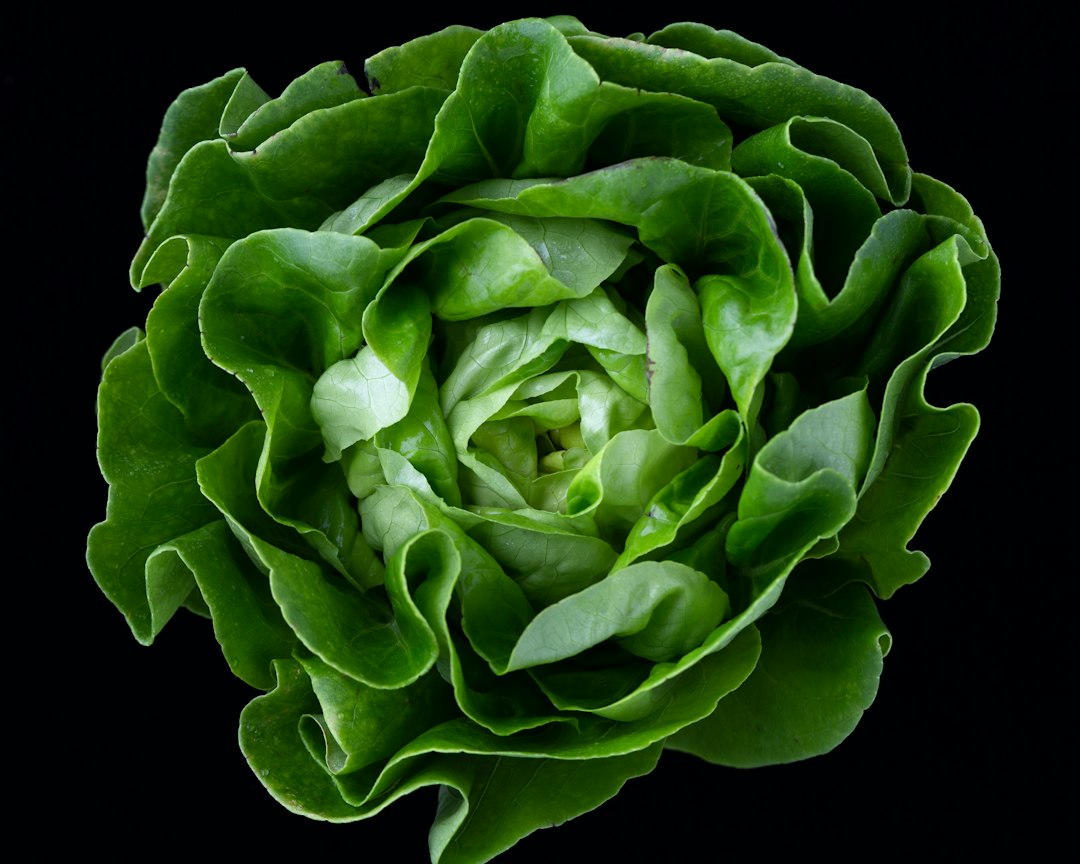
Selecting the right container depth helps balance root expansion with efficient water usage on balconies and patios. While wide troughs or window boxes work exceptionally well for mass plantings, individual pots must still provide enough vertical clearance to accommodate standard root development plus a small buffer at the bottom for drainage material. Understanding these specific structural needs allows home growers to maximize limited balcony space while producing crisp, healthy salad greens throughout the growing season.
Root Systems and Lettuce Container Biology
Shallow Root Architecture of Salad Greens
Lettuce plants develop a fibrous, non-woody root system that spreads horizontally rather than plunging vertically. Most active feeding roots remain within the top 4 inches of soil.
This biological characteristic makes lettuce uniquely suited for shallow containers like window boxes and wide bowls. Because the roots do not require deep soil layers to establish structural support, home growers can successfully cultivate healthy crops in compact spaces.
Why Excessive Depth Can Lead to Moisture Retention Issues
Placing lettuce in containers that are deeper than 10 or 12 inches often creates unintended watering complications. Excess potting mix at the bottom of a deep pot holds moisture longer than the shallow root zone can utilize.
This creates a perpetually soggy lower layer that lacks sufficient oxygen. Without adequate aeration, root respiration drops significantly, predisposing the plant to fungal pathogens like root rot.
Matching Container Width to Plant Spread
While vertical depth should remain relatively shallow, container width is a crucial factor for successful lettuce production. Standard leaf lettuce varieties require about 6 to 8 inches of space on all sides to form full heads without crowding.
Choosing long rectangular troughs instead of narrow individual pots allows multiple plants to share a uniform soil volume. This configuration optimizes space efficiency on balconies while stabilizing soil temperatures more effectively than small, isolated containers.
While leafy greens have shallow roots, comparing their requirements to the proper depth of container for tomatoes can help optimize your garden layout.
Comparing roo
t structures is useful, much like evaluating the adequate pot depth for tomatoes before planting larger fruiting crops.
Recommended Depth Specifications for Different Lettuce Types
Leaf Lettuce and Loose-Leaf Varieties
Loose-leaf lettuce varieties, such as Black Seeded Simpson or Red Salad Bowl, have the shallowest root systems among common salad greens. A container depth of 6 inches is typically ideal for these cultivars, allowing rapid root establishment and easy harvesting.
Growers using 6-inch deep window boxes or shallow rectangular planters will find that loose-leaf types mature quickly and tolerate slight variations in container design better than heading varieties, making them forgiving options for beginners.
Romaine and Upright Head Lettuce
Romaine and crisphead varieties produce denser, heavier top growth, requiring slightly more structural stability from their root systems. For these taller cultivars, a container depth of 8 inches provides the necessary ballast and root volume.
The extra couple of inches prevent the plants from tipping over as they mature while supporting the heavier leaf mass. Ensuring this depth also gives the root system adequate downward clearance to support steady, uninterrupted growth.
Miniature and Micro-Greens Containers
Miniature lettuce cultivars and micro-greens have exceptionally short lifecycles and minimal root requirements. These plants thrive in very shallow trays or shallow nursery flats with a depth of just 3 to 4 inches.
Because micro-greens are harvested long before reaching full size, they do not need deep soil reserves. Using shallow trays for these crops maximizes surface area, allowing high-density planting and frequent successive harvests in limited balcony spaces.
When planting your crops, choosing specific types of lettuce that can grow in summer provides fresh greens even during hot weather.
When planning your garden layout, understanding the proper container depth for tomatoes can also help you gauge space requirements for leafy greens.
Soil Composition, Drainage, and Aeration in Shallow Pots
Selecting Soilless Potting Mixes for Containers
Container-grown lettuce requires a light, porous growing medium rather than heavy garden soil. A standard soilless mix containing peat moss, coconut coir, perlite, and vermiculite provides the ideal texture for shallow root zones.
This lightweight composition prevents compaction, ensuring that water drains freely while retaining just enough moisture to sustain the plant between irrigations. Avoiding garden soil is essential, as it compacts easily in containers and restricts vital oxygen flow to shallow roots.
The Critical Role of Bottom Drainage Holes
Regardless of container depth, adequate bottom drainage is non-negotiable for healthy potted lettuce. Containers must feature multiple drainage holes to allow excess irrigation water to escape freely after watering.
Without proper egress, even a correctly sized 6-inch pot will retain standing water at the base, creating anaerobic conditions. Elevating containers slightly on pot feet further ensures that drainage ports remain unblocked by surrounding balcony surfaces.
Preventing Waterlogging in Compact Root Zones
Managing moisture in shallow containers requires vigilance because small volumes of soil dry out quickly but can also become waterlogged instantly if drainage is impeded. Incorporating coarse perlite into the potting mix increases macropores, which facilitate rapid water evacuation.
Gardeners should water thoroughly until moisture runs from the bottom holes, then allow the top inch of soil to dry before the next irrigation cycle. This rhythm prevents both drought stress and waterlogging-induced root decline.
Watering Strategies and Moisture Management for Shallow Containers
Frequency of Irrigation in Warm Weather
Shallow containers dry out much faster than garden beds due to increased exposure to ambient air and wind on balconies. During warm summer months, container-grown lettuce may require daily watering, and sometimes twice-daily checks during heatwaves.
Growers must monitor soil moisture consistently by inserting a finger an inch into the substrate. If the mix feels dry at this depth, immediate watering is necessary to prevent wilting and bitter leaf flavor development.
Sub-Irrigation and Tray Watering Methods
Bottom-watering or using sub-irrigation planters can be highly effective methods for supplying moisture to shallow lettuce pots. Placing pots in a shallow tray of water allows the potting mix to absorb moisture upward through capillary action.
This technique hydrates the root zone evenly without compacting the soil surface or splashing soil particles onto lower leaves. Gardeners should remove excess standing water from the tray after thirty minutes to prevent root suffocation.
Avoiding Foliage Wetness to Prevent Rot
Overhead watering often splashes soil onto the delicate leaves of lettuce plants, increasing the risk of fungal issues like gray mold and bottom rot. Directing water carefully at the base of the plant minimizes foliage wetness.
Using drip irrigation emitters, narrow-spouted watering cans, or sub-irrigation trays helps keep leaves dry and clean. Maintaining clean, dry foliage is particularly important in humid balcony environments where air circulation may be restricted.
Light Requirements and Spatial Arrangement for Balcony Lettuce
Sunlight Hours Needed for Vigorous Growth
Lettuce is a cool-season crop that thrives best with about four to six hours of direct sunlight daily. On sunny balconies, intense afternoon heat can cause lettuce to bolt prematurely, turning bitter and inedible.
Providing morning sun and light afternoon shade often yields the sweetest, crispest leaves. Assessing balcony exposure helps determine the best placement for container gardens throughout changing seasonal cycles.
Arranging Containers to Minimize Shading
When growing multiple containers of lettuce on a small balcony, arrangement matters significantly. Taller plants should be positioned toward the back or northern side to prevent them from casting shadows over shorter shallow lettuce pots.
Spacing pots appropriately also encourages good air circulation around each plant, reducing humidity pockets that attract pests and diseases. Thoughtful layout planning maximizes the light capture of every individual container.
Managing Temperature Fluctuations on Balconies
Balcony environments frequently experience rapid temperature swings, particularly in lightweight plastic or metal containers. Extreme heat stresses lettuce roots and accelerates bolting.
Using light-colored containers or insulating pots with burlap helps buffer root temperatures against direct sun exposure. Keeping soil temperatures moderate prolongs the harvest window and maintains high leaf quality through warmer weeks.
Frequently Asked Questions
Can I grow lettuce in a container that is too deep?
Using a container that is deeper than necessary is generally discouraged for lettuce because excess soil at the base retains too much moisture. This prolonged saturation reduces oxygen levels around the lower roots, increasing the risk of fungal diseases like root rot. If you must use a deep pot, ensure the potting mix is exceptionally porous and well-draining throughout the entire container.
What is the absolute minimum container depth for leaf lettuce?
The absolute minimum depth for standard leaf lettuce is 4 to 6 inches. This depth provides enough vertical space for the compact, fibrous root system to anchor the plant and absorb essential moisture and nutrients. Anything shallower than 4 inches will dry out too rapidly under normal ambient conditions, requiring constant intervention and stunting overall plant development and leaf yield.
Do romaine lettuce varieties need deeper pots than loose-leaf types?
Romaine and other upright head-forming lettuce varieties perform best in containers that are at least 8 inches deep. Because romaine produces a heavier, taller crown of leaves, the extra depth provides crucial structural ballast to prevent the plant from toppling over. Furthermore, the slightly larger root zone supports the increased nutritional demands of head-forming cultivars.
How do I prevent my balcony lettuce containers from drying out too quickly?
Shallow balcony containers lose moisture rapidly due to wind and sun exposure. To mitigate this, mix moisture-retaining amendments like coconut coir or perlite into your potting soil, and consider using light-colored pots that reflect radiant heat. Mulching the soil surface with a thin layer of organic material or perlite also significantly reduces surface evaporation between scheduled watering sessions.
Is it better to use round pots or long window boxes for lettuce?
Long rectangular window boxes are generally superior to round pots for growing lettuce because they maximize linear space and allow multiple plants to share a uniform moisture zone. This efficient layout fits neatly along balcony railings and ledges while creating a stable microclimate that resists rapid temperature fluctuations better than isolated individual pots.
Should I fertilize container-grown lettuce, and how often?
Lettuce is a fast-growing leafy crop that benefits from regular, light feeding. Applying a balanced, water-soluble organic fertilizer at half-strength every two to three weeks provides sufficient nutrients without burning tender roots. Stop fertilizing a week before final harvest or if plants show signs of heat stress and bolting to maintain optimal leaf flavor and quality.