Snake plant water propagation generally takes anywhere from four to eight weeks before visible roots begin to emerge from the cut base of the leaf. However, the total duration depends heavily on ambient room temperatures, available light levels, and the overall health of the parent plant.
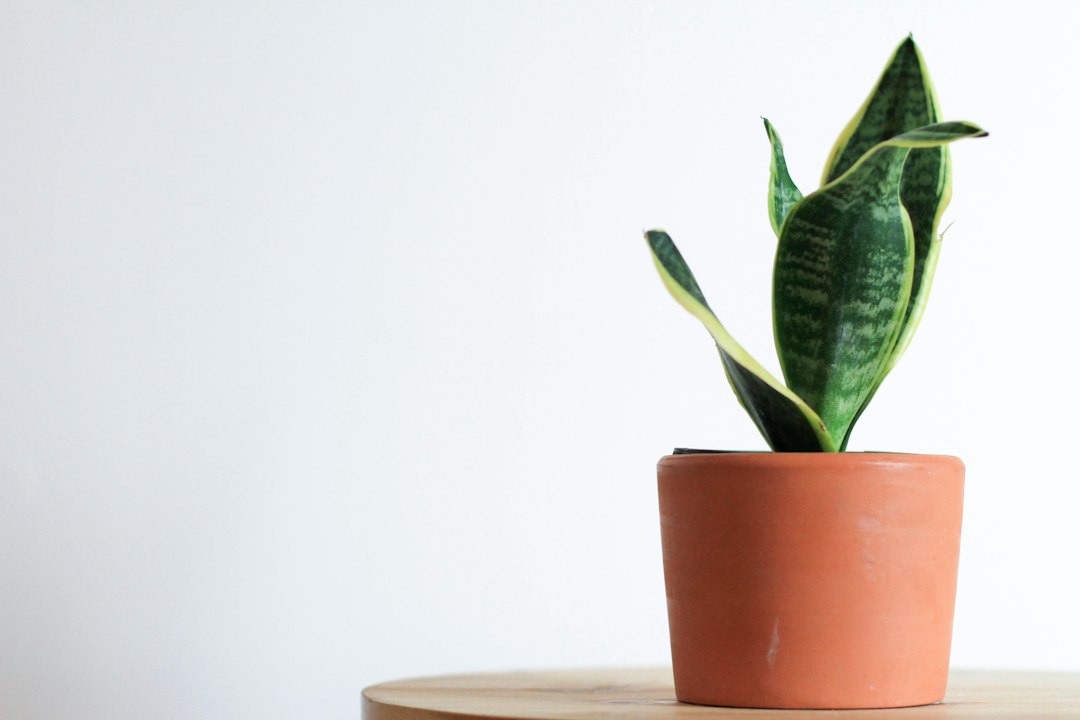
While roots may sprout within a month under ideal indoor conditions, growers should often wait until those secondary roots reach at least one to two inches in length before attempting to pot the cutting into soil. This extended waiting period ensures the new root system is robust enough to handle the transition.
Patience remains essential during this process because variegated varieties or cuttings kept in cooler environments can take significantly longer to show signs of growth. Understanding each developmental stage helps prevent premature planting or unnecessary panic when progress seems slow.
Preparing Snake Plant Cuttings for Water
Selecting Healthy Parent Leaves
Choosing the ideal leaf sets the essential foundation for successful water propagation and ensures strong future plant development across typical indoor home environments. Always select firm, upright leaves that show absolutely no signs of yellowing, physical damage, or unseen pest infestations on the surface tissue before starting your project.
Older, mature leaves generally store greater energy reserves, which helps sustain the cutting safely through the lengthy root-formation phase. Avoid overly soft, damaged, or wrinkled foliage because these weak leaves lack the natural vigor required to survive extended liquid immersion without decaying rapidly in standard glass containers.
Cutting Technique and Tools
Sanitizing a sharp utility knife or pair of heavy garden shears using rubbing alcohol prevents introducing harmful bacteria or fungi to fresh plant wounds during preparation. Make a clean, straight horizontal cut across the very base of the selected healthy leaf to encourage natural healing and future root development successfully.
Some growers prefer shaping the bottom into an inverted V-angle to increase the surface area exposed to moisture, though standard flat cuts work adequately for most standard indoor species. The lower section — closest to the original soil line — roots most reliably and is the preferred choice; upper tip sections can be attempted but tend to root more slowly or less successfully.
Callus Formation Requirements
Allowing the freshly cut snake plant leaf to dry out and form a protective callus represents a crucial preventative step before liquid immersion. Place the cutting upright in a dry, well-ventilated indoor area completely out of direct sunlight for two to three days to heal properly before moving forward.
This healing period allows the exposed cut cells to seal over tightly, significantly reducing the likel
ihood of bacterial rot once submerged in the glass jar. Skipping this vital drying phase frequently leads to rapid decay and total propagation failure before root initiation can even begin inside the water container.
Setting Up the Water Propagation Station
Choosing Suitable Glass Containers
Transparent glass jars or vases work best because they allow you to monitor water clarity and root development easily without disturbing the cutting unnecessarily. Ensure the vessel opening is wide enough to remove the rooted plant safely later without breaking delicate new roots during final handling and repotting.
Clean the chosen container thoroughly with mild soap and warm water to eliminate any residual grime or microorganisms before filling it up.
Water Quality and Temperature
Fill the container with room-temperature tap water; leaving it to sit for several hours can reduce some forms of chlorine, though chloramine — used in many municipal supplies — does not dissipate this way. Filtered or rainwater is an alternative if tap water quality is a concern. Extreme water temperatures can shock delicate plant tissue and delay the natural biological processes required for successful root generation over extended propagation timelines.
Refresh the water every one to two weeks, or whenever it starts looking cloudy, to maintain a healthy oxygen-rich environment consistently. Using clean water prevents unsightly algae buildup and minimizes the risk of bacterial pathogens attacking the healing callus of your leaf specimen during early development.
Initial Placement and Lighting
Position your propagation container in a spot that receives bright, indirect sunlight throughout the day without intense exposure. Direct harsh sunlight can overheat the water and cook developing tissues or promote excessive algae growth inside the clear glass vessel during warm weather months.
Stable indoor temperatures between seventy and eighty degrees Fahrenheit encourage faster metabolic activity and quicker rooting cycles. Avoid drafty windowsills or areas near heating vents where sudden temperature fluctuations might stall the natural rooting timeline entirely during cold winter seasons.
While looking into pothos propagation how long roots take to form can be helpful, snake plants operate on a different schedule.
Root Development Timeline and Milestones
Weeks One Through Four Observations
During the first month of water propagation, visible changes are often minimal as the cutting focuses on internal healing and cellular preparation. The callused edge may swell slightly, but do not expect immediate root spikes right away during these initial weeks of indoor care.
Maintaining consistent water levels remains your primary responsibility during this initial phase of care. Top off the container as evaporation occurs rather than dumping out the water completely, provided the liquid inside remains clean and clear of debris or sediment.
Root Emergence and Growth Rate
Between weeks four and eight, small white or translucent root bumps typically break through the callused surface at the base of the leaf. Once these initial roots appear, subsequent growth often accelerates slightly depending on ambient indoor warmth and available lighting conditions.
These water roots will appear thin and somewhat fragile compared to traditional soil roots. Allowing them to lengthen to roughly one to two inches provides a sturdy anchor for when you eventually shift the cutting into a suitable potting medium.
Variable Factors Affecting Speed
Multiple environmental variables dictate whether your snake plant roots within a month or takes three months to show progress. Lower indoor light levels, cooler room temperatures, and shorter daylight hours during winter naturally slow down overall plant metabolism significantly.
Additionally, the specific cultivar may matter; some growers report that variegated forms can root more slowly, though this varies and is not a reliable universal rule. Accepting these natural timelines prevents unnecessary interference that could disrupt the delicate rooting process prematurely before nature takes its course.
If you are curious about zz plant leaf propagation how long it takes, the timeline is quite similar.
Transitioning from Water to Soil
Determining Optimal Root Length
Moving water-propagated cuttings into soil too early can cause severe transplant shock, while waiting too long creates water-adapted roots that struggle in dirt. Aim for a root length between one and two inches for the absolute best survival odds.
At this stage, the root system is substantial enough to absorb moisture and nutrients from a solid medium without being overly dependent on continuous liquid immersion. Inspect the roots gently to ensure they look firm and healthy before placing them into soil.
Potting Mix and Drainage Selection
Select a well-draining cactus or succulent potting mix containing coarse sand, perlite, or pumice to prevent excess moisture retention. Heavy standard potting soils hold too much water and frequently cause root rot in newly transitioned cuttings during the adjustment period.
Always use a container featuring at least one functional drainage hole at the bottom to let surplus moisture escape freely. Proper drainage protects the sensitive new roots from sitting in stagnant moisture during the critical post-propagation adjustment window.
Post-Transplant Watering Routine
Water the newly potted snake plant lightly immediately after planting to help settle the soil around the fragile root system. Allow the upper portion of the potting mix to dry out between subsequent watering sessions to encourage deeper root growth, while avoiding prolonged bone-dry conditions during the early adjustment weeks.
Because these roots evolved in water, the transition requires gradual adaptation to dry soil conditions over several weeks. Place the potted cutting in bright, indirect light and avoid heavy fertilizers until the plant shows clear signs of established top growth.
Knowing about water propagation when to plant your cutting makes all the difference for long-term health.
Frequently Asked Questions
How long does it take for roots to appear in water?
Roots typically begin to emerge within four to eight weeks after submerging the callused cutting in clean water. However, cooler room temperatures, low light levels, or winter conditions can easily extend this timeline to three months or even longer.
Patience is necessary during this waiting period, as rushing the process or constantly lifting the cutting out of the water disrupts cellular development. Consistent warmth and bright indirect light offer the best conditions to encourage faster root initiation naturally.
Why are my snake plant cuttings rotting in water?
Rot usually occurs when the leaf base fails to form a protective callus before immersion, or when stagnant water harbors excessive bacteria. Changing the water every week and ensuring proper sanitation during cutting significantly reduces the risk of rot, though it cannot guarantee prevention in all cases.
If you notice mushy, foul-smelling brown tissue at the base, remove the cutting immediately from the vessel. Slice away the rotted portion with a sanitized blade, let it dry and form a callus for a few days, and restart propagation safely.
Can I propagate variegated snake plants in water?
Yes, you can propagate variegated snake plant varieties in water using standard leaf cuttings, but there is a notable catch. The resulting plantlets will often revert to solid green rather than retaining the signature yellow or white margins, particularly in chimeral cultivars.
This happens because the variegation in most snake plant cultivars is chimeral — it depends on a specific layered arrangement of genetically distinct cells that leaf cuttings do not reliably reproduce. To preserve the distinct variegation of specific cultivars, division of the rhizome during repotting remains the preferred propagation method instead of leaf cuttings.