When a pothos propagation refuses to grow roots, the primary cause usually traces back to improper cutting techniques, such as failing to include a viable node where root cells originate.
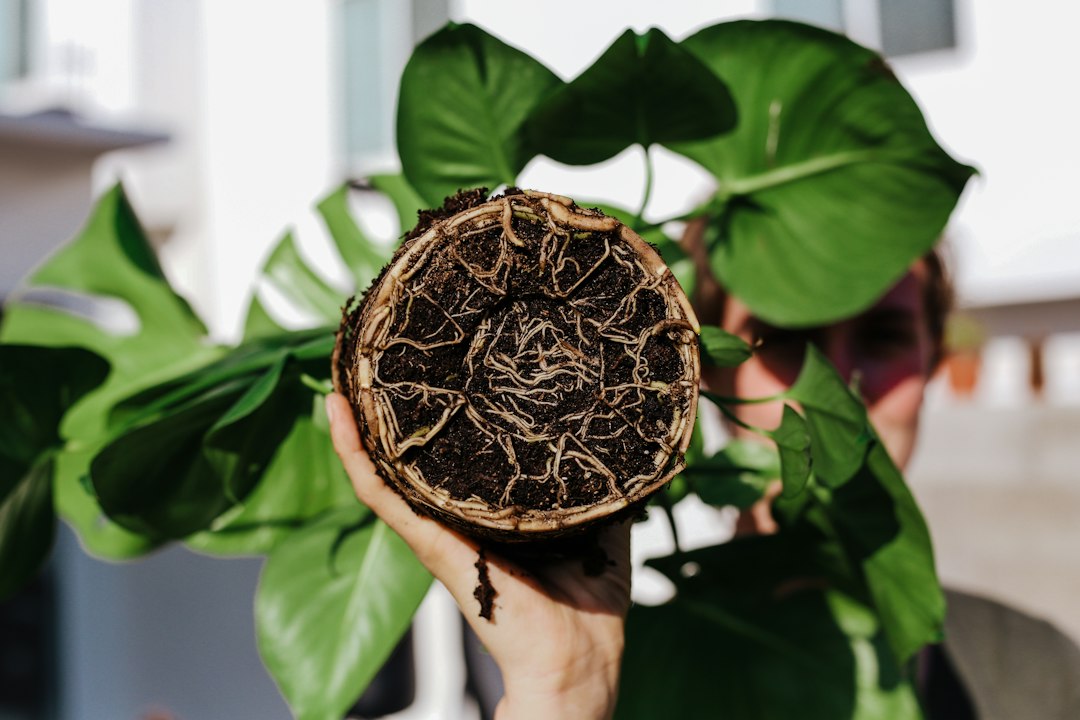
Environmental factors like insufficient ambient light, stale water, or overly dense potting mediums can also stall root development, leaving the cutting vulnerable to decay instead of growth.
Troubleshooting involves diagnosing the cutting’s physical condition, correcting water or soil parameters, and ensuring the setup meets the basic requirements for cellular regeneration.
Node Anatomy and Cutting Selection
Missing Nodes
Cuttings harvested without a viable node cannot develop into complete new plants; even if a solitary leaf petiole occasionally sprouts roots, it lacks the dormant bud needed to produce new vines. Nodes appear as small, slightly raised brownish bumps along the main vine where leaves attach.
Always inspect your initial snips to ensure at least one prominent node remains fully submerged or buried. Without this crucial growth region, the cutting lacks the meristematic tissue required to produce both sustainable root systems and new leafy stems.
Rotting Stems
If the cut end of your pothos vine turns brown, mushy, or translucent, bacterial decay has likely set in before root initiation could occur. This decay often stems from using unsterilized tools.
To fix this issue, take the cutting out of its environment immediately and use a sterile blade to slice away all decayed brown material well above the affected area until clean green tissue shows.
Dull Instruments
Using scissors or dull shears to harvest your pothos can crush the vascular pathways inside the stem, inhibiting the plant’s ability to transport water and nutr
ients upward while trying to root.
Always utilize sharp pruning shears or a clean razor blade to make crisp, clean cuts. A clean wound heals faster and allows the plant to channel its energy directly into creating new root tips.
Water Propagation Environment Adjustments
Stale Water
Water left stagnant for weeks loses essential dissolved oxygen and accumulates harmful bacteria that attack vulnerable plant tissues. This depletion of dissolved oxygen can severely suppress root development while encouraging opportunistic rot-causing pathogens.
Refresh the water inside your propagation vessel every few days using clean, room-temperature water to replenish vital dissolved oxygen and prevent microbial films from coating the stem.
Insufficient Light
While pothos tolerates low indoor light well as a mature houseplant, unrooted cuttings require adequate brightness to drive the photosynthesis needed for generating new cellular tissue.
Move your propagation container to a bright location that receives plenty of indirect sunlight throughout the day. Avoid harsh direct sun exposure, which can quickly overheat the water and cook delicate stem tissues.
Temperature Fluctuations
Placing your water propagation jar near drafty windows, air conditioning vents, or heating appliances creates unstable thermal conditions that shock the cutting and halt root growth.
Maintain a consistently warm ambient room temperature around your setup to encourage steady metabolic activity. Stable warmth signals the plant that conditions are safe for active root expansion.
Before panicking about slow growth, you should understand how long pothos propagation takes so you can set realistic expectations for your struggling cuttings.
Soil Propagation Adjustments
Heavy Soil
Planting pothos cuttings directly into dense, compacted garden soil or heavy potting mixes suffocates the developing root zone by restricting necessary airflow around the buried node.
Create a loose, highly aerated propagation substrate by blending standard potting compost with generous amounts of perlite, orchid bark, or coarse sand to promote optimal drainage and oxygenation.
Moisture Stress
Allowing soil propagation mediums to dry out completely halts root formation and causes the cutting to shrivel, while perpetually soggy soil encourages fatal fungal pathogens.
Keep the soil evenly moist to the touch without letting the pot sit in standing water. Check moisture levels frequently by pressing a finger gently into the top layer of the potting mix.
Pot Size Issues
Attempting to root a small single-leaf cutting inside an oversized container increases the volume of soil that stays wet, drastically raising the risk of root rot before roots can form.
Start your soil propagations in compact containers that match the small root zone scale. As the root system matures and fills the space, you can progressively step up the pot size safely.
Hormonal and Nutritional Interventions
Rooting Hormone Misuse
Applying rooting powder incorrectly, such as dipping wet stems directly into the main product jar, can contaminate the powder and lead to fungal growth on the cutting.
Pour a small amount of rooting hormone into a separate dish before application. Dust the cut node lightly, shaking off any excess powder to prevent caking and tissue burn.
Premature Fertilization
Adding liquid fertilizers to water or soil propagations in an attempt to speed up growth usually burns unrooted stem tissues and halts any natural cellular development.
Withhold all synthetic fertilizers entirely until the cutting has established a robust root system measuring a few inches long and shows active new leaf growth on the vine.
Energy Depletion
Cuttings with an excessive number of large leaves often exhaust their stored energy reserves trying to maintain foliage before the root system can supply adequate moisture.
Trim away lower leaves to reduce the plant’s overall transpiration load, allowing the cutting to concentrate its limited metabolic resources entirely on producing new roots at the node.
Frequently Asked Questions
Why are my pothos cuttings turning yellow instead of growing roots?
Yellowing foliage on an unrooted cutting typically indicates that the plant is mobilizing its internal nutrient reserves to survive environmental stress, such as lack of light or water stagnation. It can also signal advanced stem rot working its way upward from the submerged cut end.
Inspect the stem immediately for mushy brown areas. If decay is present, cut away the damaged portion, refresh the propagation water or soil, and move the container to a brighter spot with more stable, indirect light.
How long should I wait before throwing away unrooted cuttings?
Pothos cuttings can sometimes take several weeks to show visible root bumps, depending on ambient indoor temperatures, available light, and the overall vigor of the parent plant. Patience is required during the initial cellular adjustment phase.
As long as the stem remains firm, green, and free from foul-smelling rot, you should keep waiting. Discard the cutting only if the entire stem turns brown, mushy, or hollow, which indicates the plant tissue has died completely.
Can I transfer a water-propagated cutting to soil if roots are tiny?
Transferring water-grown roots to soil while they are still extremely short and delicate can shock the plant because water roots are structurally different from soil roots and struggle initially to absorb moisture from a solid medium.
Allow the roots to grow at least an inch or two in length and develop several secondary branching roots before attempting potting. When you do transfer them, keep the soil slightly extra moist for the first week to ease the transition.
Can I propagate a leafless pothos stem cutting if it still has a healthy node?
Yes, a leafless stem section, frequently called a wet stick, can successfully grow roots as long as it contains a firm, undamaged node and a functional vascular pathway. Without foliage, the cutting expends zero energy on maintaining leaves, routing all internal energy stores straight into cellular division and root tissue emergence without competing demands.
Place the leafless node in a warm, bright propagation setup just like a standard leafy cutting. Because there are no leaves to supply energy via ongoing photosynthesis, keep the ambient light bright and indirect while ensuring the surrounding indoor humidity stays high to support the initial metabolic shift required to safely activate dormant growth buds.
Is it safe to crowd multiple pothos cuttings into the exact same propagation jar?
Grouping several pothos cuttings together in a single container is completely safe and often creates a much bushier, fuller appearance once potted, provided the glass jar has adequate physical space. However, jamming too many stems into a narrow neck restricts essential airflow around the submerged nodes and can slow down the overall root initiation process significantly.
If you choose a communal vessel, ensure the individual stems have enough room so they do not press tightly against one another. You should also change the water slightly more frequently, as multiple cuttings consume dissolved oxygen at a much faster rate and shed natural organic matter that rapidly accelerates bacterial cloudiness.
Why are roots growing out of my water propagation, but the stem produces no leaves?
When a cutting prioritizes heavy root development over top-tier stem growth, it is simply establishing a strong biological foundation before investing precious energy into aerial foliage. A robust root system is mandatory to supply future leaves with adequate water and nutrients, so this developmental imbalance is completely normal during the early phases of propagation.
Allow the root system to continue growing naturally until several secondary branches appear along the main white strands. Once the plant senses it has sufficient underground absorption capacity, internal hormone signals will shift automatically, triggering the dormant node eye to push out a brand new, vibrant green shoot.
Should I trim away brown aerial roots on a pothos vine before propagation?
You generally do not need to trim away existing brown aerial roots unless they are visibly rotting, mushy, or covered in fuzzy mold. These specialized root structures are fully capable of adapting to new water or soil environments and often accelerate the overall establishment phase of your new houseplant cutting rather than hindering it.
If the aerial roots feel dry, wiry, or papery, simply submerge them right alongside the primary node in your chosen propagation medium. They will readily absorb moisture and frequently sprout fine feeder roots along their length, helping the cutting anchor itself and source vital hydration much faster than smooth, bare stems alone.
Can I use aquarium water instead of regular tap water to help my cuttings root?
Using clean, untreated water from a freshwater aquarium can actually benefit stubborn pothos cuttings because it contains trace amounts of natural nitrates and organic fish waste that act as a mild, gentle nutrient source. These beneficial compounds provide slight metabolic stimulation without burning delicate, unrooted plant tissues during the fragile early rooting stages.
However, you must ensure the aquarium water is completely free from harsh chemical treatments or heavy medications used to cure sick fish, as these additives can easily poison plant cells. Always monitor the water clarity closely, as organic traces can sometimes encourage unwanted algae growth if your propagation container receives too much direct sunlight.