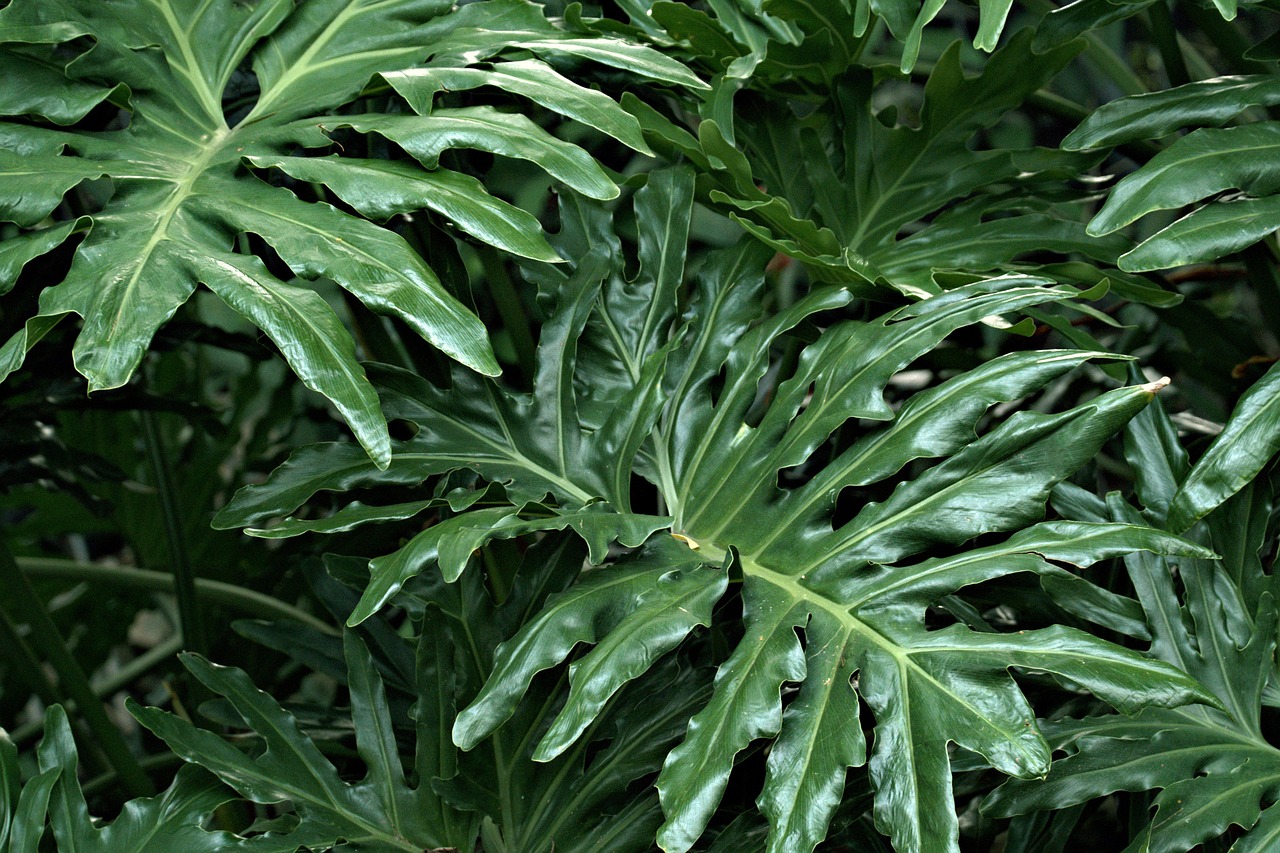
Spotting philodendron erubescens yellow leaves usually indicates an imbalance in environmental conditions, most commonly related to watering habits, light exposure, or root stress. Because this tropical climbing species relies on stable moisture and well-aerated substrates, any disruption in its routine triggers visible chlorosis as the plant reabsorbs mobile nutrients or sheds compromised foliage.
Addressing this issue requires a systematic inspection of the root zone, container drainage, and ambient lighting rather than guessing with quick fixes. By evaluating how water moves through the potting mix and checking for early signs of pest pressure or nutrient lockouts, growers can pinpoint the exact root cause and adjust their indoor plant care practices accordingly.
Understanding Philodendron Erubescens Foliage Dynamics
Natural Leaf Senescence vs. Problematic Yellowing
Not every yellow leaf on a philodendron erubescens signals an emergency or a severe cultural failure. As the vine matures and climbs upward, older leaves located near the base of the stem naturally undergo senescence. The plant systematically breaks down chlorophyll in these aging structures to reallocate valuable resources toward active apical growth tips.
Distinguishing natural aging from pathological yellowing involves observing the location and progression of the discoloration. If only the lowest, oldest leaves turn uniformly yellow and drop off while the upper canopy remains vigorous and deeply colored, the process is typically normal. Rapid yellowing across multiple stems or upper leaves, however, points to underlying environmental stress.
Chlorophyll Breakdown and Cellular Aging
Chlorophyll is the vital green pigment responsible for capturing light energy during photosynthesis within plant cell chloroplasts. When a philodendron erubescens experiences stress or reaches the end of its functional leaf lifespan, enzymes degrade these chlorophyll molecules. This biological breakdown reveals underlying carotenoids and xanthophylls, producing the characteristic yellow hues observed on declining foliage.
Understanding this cellular transition helps indoor gardeners avoid panic when isolated lower leaves fade. The plant effectively recycles nitrogen and other mobile elements from the fading tissue, routing them through the vascular system to newer stems. Intervention is only necessary when this chlorophyll degradation accelerates beyond normal developmental parameters due to external stress factors.
Identifying Lower Leaf Yellowing Patterns
Visual inspection of discoloration patterns offers critical diagnostic clues regarding plant health. When lower leaves turn yellow with brown margins or develop soft, translucent patches, moisture imbalance is the primary suspect. Conversely, a uniform pale yellowing without soft rot often suggests a mild nutritional shortage or insufficient light exposure reaching the lower canopy.
Documenting the speed at which these symptoms appear helps differentiate acute issues from chronic problems. Sudden, widespread yellowing usually indicates a shock event, such as a drastic temperature drop or extreme root saturation. Gradual fading over several weeks typically points to depletion of substrate nutrients or slow-developing root constriction inside a tight container.
When observing foliage changes, comparing your plant to cases of gloriosum leaves turning yellow can help clarify normal aging from environmental stress.
Different species show stress uniquely, as seen when dealing with philodendron gloriosum leaves turning yellow in low humidity.
-link”>When diagnosing color loss, comparing your plant's symptoms with philodendron brasil new leaves yellow conditions can offer valuable diagnostic clues.
Moisture Management and Root Health
Overwatering and Oxygen Deprivation in Substrates
Overwatering remains the single most frequent catalyst for philodendron erubescens yellow leaves in indoor cultivation environments. When potting media remains continuously saturated, water displaces the oxygen pockets required for healthy root respiration. Without adequate oxygen, root tissues suffocate, lose their cellular integrity, and eventually succumb to opportunistic fungal pathogens in the soil.
Compromised roots lose their ability to efficiently transport water and essential minerals up to the foliage. This functional root failure immediately manifests above ground as limp, yellowing leaves that may feel slightly soft or soggy. Left uncorrected, root rot advances rapidly, leading to widespread wilting and eventual collapse of the entire vine system.
Underwatering Symptoms Compared to Excess Moisture
While excess moisture causes soft, waterlogged yellowing, chronic underwatering produces distinctly different foliar symptoms. When a philodendron erubescens lacks sufficient water over an extended period, the plant sacrifices older leaves to conserve moisture for survival. These leaves typically turn yellow, dry out completely, become papery or crispy at the edges, and drop off easily.
Examining the texture of the soil and the affected leaves provides a reliable way to differentiate these two watering extremes. Saturated soil coupled with soft yellow leaves confirms overwatering, whereas bone-dry substrate combined with crispy, yellowed foliage points directly to severe drought stress. Adjusting watering frequencies based on soil depth checks resolves both issues effectively.
Evaluating Drainage Efficiency in Containers
Container drainage plays a foundational role in preventing the moisture imbalances that trigger foliar chlorosis. Pots must feature unobstructed drainage holes at the base to allow excess irrigation water to escape freely. If water collects in a saucer beneath the pot and remains in contact with the root ball, the soil will pull moisture back upward through capillary action.
Selecting containers made from porous materials like unglazed terracotta can also assist with moisture regulation by allowing excess water to evaporate through the container walls. Regardless of the pot type, ensuring that the potting mix contains coarse amendments like perlite or orchid bark prevents compaction and guarantees rapid, efficient water drainage after every session.
Practical Finger-Testing and Moisture Meter Limits
Determining when to water a potted philodendron erubescens requires reliable assessment methods rather than rigid calendar schedules. The standard finger-test method involves inserting a finger roughly two to three inches into the potting mix. If the soil feels dry at that depth, it is generally time to water; if it feels damp and cool, irrigation should be postponed.
While mechanical moisture meters offer an alternative way to gauge soil moisture, users should account for their limitations. Inexpensive analog meters can provide inaccurate readings if they encounter pockets of fertilizer salts or loose potting media. Combining tactile soil checks with an observation of pot weight provides a much more accurate evaluation of internal moisture levels.
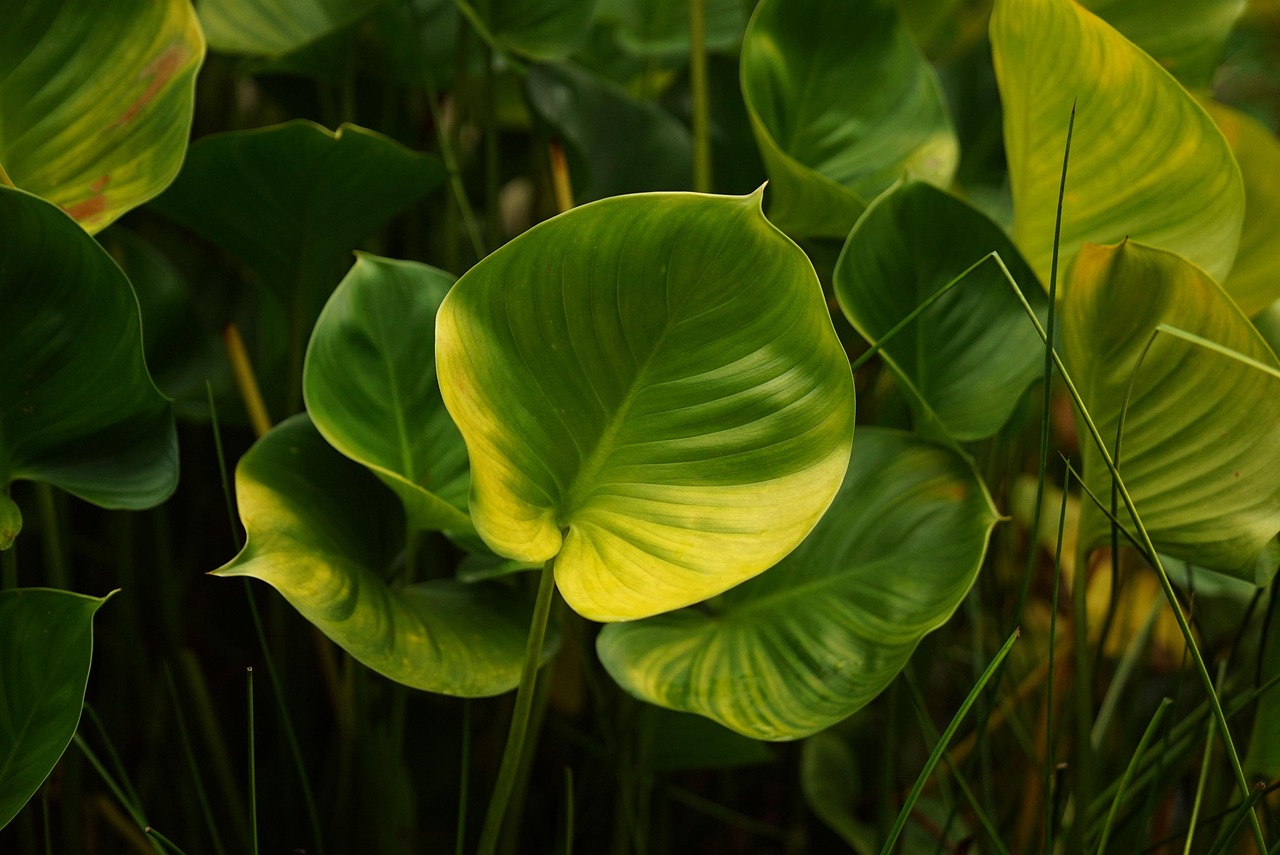
Overwatering issues that lead to heart shaped philodendron yellow leaves usually stem from heavy, poorly draining potting substrates.
Gardeners frequently observe parallel fading patterns when managing heart shaped philodendron yellow leaves resulting from inconsistent watering routines.
Light Exposure and Photosynthetic Stress
Insufficient Light and Chlorosis Mechanisms
Inadequate light exposure frequently contributes to philodendron erubescens yellow leaves by inhibiting the plant’s ability to manufacture food. Although these tropical climbers naturally inhabit the understory of rainforests, placing them in dark indoor corners deprives them of the minimum photons needed to sustain their extensive foliage. The plant responds by systematically shedding lower leaves it can no longer support.
Low-light chlorosis often presents as pale, washed-out foliage accompanied by elongated, spindly stems reaching toward distant light sources. To halt this decline, growers should gradually relocate the plant to a brighter spot, such as near an east-facing window or a few feet away from a bright unobstructed exposure, avoiding sudden shocks from intense direct sun.
Direct Sunlight Burns and Bleached Foliage
While insufficient light causes gradual chlorosis, excessive direct sunlight inflicts acute thermal and photochemical damage. When a philodendron erubescens is suddenly exposed to harsh afternoon rays, ultraviolet radiation and high heat overwhelm its cellular pigments. This stress does not always produce immediate green-to-yellow transitions; instead, it often causes bleached, scorched, or translucent patches that eventually turn yellow and brown.
Protecting indoor plants from solar burn requires understanding the intensity of light passing through glass panes. Windows receiving intense southern or western exposure often require sheer curtains to diffuse harsh rays during peak daylight hours. Moving the plant slightly deeper into the room preserves bright indirect illumination while safeguarding delicate leaf tissues from thermal injury.
Adjusting Indoor Placement for Optimal Recovery
Finding the ideal indoor placement involves balancing intensity, duration, and direction of available light sources. Philodendrons thrive when receiving several hours of bright, indirect light daily, simulating the dappled canopy of their native habitats. Placing plants near windows fitted with light filters or utilizing balanced LED grow lights can maintain consistent photosynthetic activity throughout darker winter months.
When shifting a plant to a brighter location, growers should introduce the change incrementally over the course of a week. Sudden shifts in light intensity can shock the metabolic system, accelerating leaf drop and temporary chlorosis. Gradual acclimation allows the plant’s chloroplasts to adapt to the new photon density without triggering additional stress responses.
Similar coloration patterns often appear when dealing with philodendron brasil new leaves yellow under inadequate indoor light conditions.
Nutritional Deficiencies and Substrate Chemistry
Nitrogen Mobility and Older Leaf Yellowing
Substrate nutrient availability directly influences leaf color and overall vigor in container-grown specimens. Nitrogen is a highly mobile macronutrient within plant tissues, meaning the philodendron can transport it from older leaves to support newly emerging growth. When nitrogen reserves in the potting mix become exhausted, older leaves turn uniformly pale yellow while upper leaves maintain a lighter green hue.
Resolving nitrogen-induced chlorosis involves applying a balanced, water-soluble fertilizer formulated for foliage plants during the active growing season. Following product dilution instructions carefully prevents over-fertilization, which can burn root tips and exacerbate foliar stress. Once adequate nutrition is restored, new growth will emerge with healthy, deep coloration.
Micronutrient Deficiencies: Iron and Magnesium
Unlike nitrogen, immobile micronutrients like iron and magnesium cannot be easily relocated from older to younger tissues. Consequently, deficiencies in these elements typically manifest as interveinal chlorosis, where the tissue between the leaf veins turns yellow while the veins themselves remain distinctly green. This pattern frequently occurs when the potting substrate lacks sufficient trace minerals or holds an improper pH balance.
Diagnosing micronutrient shortages requires looking closely at the specific webbing pattern of discoloration on newer versus older foliage. Correcting these deficiencies often involves applying specialized micronutrient sprays or balanced fertilizers containing chelated iron and magnesium sulfate. Ensuring proper substrate composition prevents these trace element lockouts from recurring.
pH Imbalances Affecting Nutrient Uptake
Substrate chemistry plays a massive role in whether a philodendron erubescens can successfully absorb available nutrients. Even when fertilizers are applied regularly, an overly acidic or alkaline potting mix can lock up essential minerals, rendering them chemically unavailable to plant roots. Most tropical houseplants prefer a slightly acidic pH range between 6.0 and 6.5 for optimal nutrient absorption.
Soil pH drift happens naturally over time as water soluble salts accumulate from tap water and synthetic fertilizers. Flushing the potting mix periodically with pure water helps leach out excess mineral deposits and reset the root zone environment. If pH imbalances persist, repotting the plant into fresh, high-quality substrate restores proper chemical conditions.
Fertilization Schedules for Active Growth Periods
Establishing a sensible fertilization schedule supports continuous growth without risking chemical burn or nutrient toxicity. During spring and summer, when light levels peak and the philodendron produces new leaves rapidly, feeding every four to six weeks with a balanced liquid fertilizer is standard practice. Diluting the nutrient solution to half-strength provides a gentle, steady supply of food.
Conversely, feeding schedules must be reduced or paused entirely during autumn and winter months. Reduced daylight and cooler indoor temperatures slow the plant’s metabolic rate, meaning it cannot process added nutrients efficiently. Excess fertilizer applied during dormancy accumulates in the soil, damaging roots and causing the very leaf yellowing growers seek to avoid.
Pest Pressures, Physical Damage, and Recovery
Common Sap-Sucking Pests Causing Discoloration
Pests represent another major contributor to uncharacteristic foliar yellowing in indoor collections. Sap-sucking insects such as spider mites, thrips, and scale feed on plant cell contents, draining vital moisture and nutrients. As these insects puncture the epidermis, they leave behind tiny stippled yellow spots that eventually coalesce into large, chlorotic patches across the leaf surface.
Inspecting the undersides of leaves and leaf axils with a magnifying glass helps detect these microscopic pests before infestations get out of hand. Common signs include fine webbing from spider mites or sticky residue left by scale insects. Prompt intervention using insecticidal soaps or horticultural oils helps control pest populations and protects recovering foliage.
Mechanical Damage and Environmental Shock
Physical trauma and sudden environmental changes can also trigger localized yellowing and tissue death. Accidental bending, tearing during repotting, or friction from high-traffic walkways damages internal vascular pathways, cutting off water and nutrient delivery to specific leaf sections. Similarly, sudden drafts from air conditioning vents or heaters shock tender foliage.
Protecting indoor plants from physical stress involves placing them away from doors, vents, and heavy foot traffic. When handling vines during maintenance or pruning, gentle support prevents accidental stem kinks and tears. Recognizing that physical trauma causes isolated discoloration prevents unnecessary treatments for disease or nutrient deficiency.
Pruning Techniques for Damaged Leaves
Once a leaf turns completely yellow or sustains severe physical damage, it rarely recovers its original green pigmentation. Leaving dying leaves on the vine serves no functional purpose and diverts aesthetic energy. Growers should carefully prune away fully yellowed or severely compromised leaves using clean, sterilized shears, cutting close to the main stem without damaging node tissue.
Sterilizing pruning tools with rubbing alcohol before and after cuts prevents the accidental transmission of bacterial or fungal pathogens into fresh wound sites. After pruning, monitor the plant closely for signs of healing and ensure environmental conditions remain stable to encourage the emergence of vigorous new lateral shoots and climbing stems.
Quarantine Protocols for Stressed Plants
Introducing a stressed or yellowing philodendron erubescens into a collection requires sensible isolation procedures. Stressed plants are inherently more vulnerable to secondary pest invasions and pathogen outbreaks. Placing any struggling specimen in a separate room for two to three weeks protects healthy houseplants from potential cross-contamination.
During this quarantine window, closely monitor the isolated plant for emerging pest activity, fungal spots, or spreading chlorosis. Treat any identified issues immediately before reintegrating the plant into the primary display space. This preventive habit safeguards the entire indoor collection against widespread disease and pest transmission.
Frequently Asked Questions
Why are the lower leaves of my philodendron erubescens turning yellow?
Lower leaves frequently turn yellow due to natural aging as the plant sheds older foliage to support new upward growth. However, if multiple lower leaves yellow simultaneously, it often indicates overwatering, poor drainage, or a mild nitrogen deficiency. Inspect the soil moisture and check for root congestion to determine the precise cause before adjusting your care routine.
Can overwatering cause yellow leaves on a red-leaf philodendron?
Yes, overwatering is the leading cause of yellow leaves on a philodendron erubescens. Saturated soil starves roots of oxygen, causing them to suffocate and lose their ability to transport water and nutrients. This functional root failure manifests as soft, limp, yellowing leaves. Allow the top few inches of potting mix to dry completely between watering sessions to prevent this issue.
Should I cut off yellow leaves from my philodendron erubescens?
You should prune away leaves that have turned entirely yellow or brown, as they will not regain their green color and no longer contribute to photosynthesis. Use clean, sterilized shears to cut the stem close to the main vine without damaging healthy nodes. Removing dead foliage also improves air circulation around the plant and enhances its overall appearance.
How does poor lighting lead to yellowing foliage?
Inadequate light restricts photosynthesis, depriving the plant of the energy required to maintain its extensive canopy. When placed in deep shade, a philodendron erubescens will systematically sacrifice older or lower leaves to conserve resources for growth tips. Relocating the plant to a brighter spot with indirect light stops this stress response and promotes healthier, greener foliage development.
Is a yellow leaf always a sign of a nutrient deficiency?
No, a yellow leaf is not always caused by nutrient deficiencies. While shortages of mobile elements like nitrogen or immobile micronutrients like iron can produce distinct chlorotic patterns, yellowing is a general stress response. Watering imbalances, light extremes, pest infestations, and natural leaf aging frequently trigger identical discoloration symptoms across indoor specimens.
How long does it take for a stressed philodendron to recover?
Recovery time for a stressed philodendron erubescens varies depending on the severity of the initial damage and how quickly correct conditions are restored. Minor watering or light adjustments often yield visible improvements within two to three weeks as new leaves emerge. Severe root rot or advanced pest infestations, however, may require several months of consistent rehabilitation and careful monitoring.