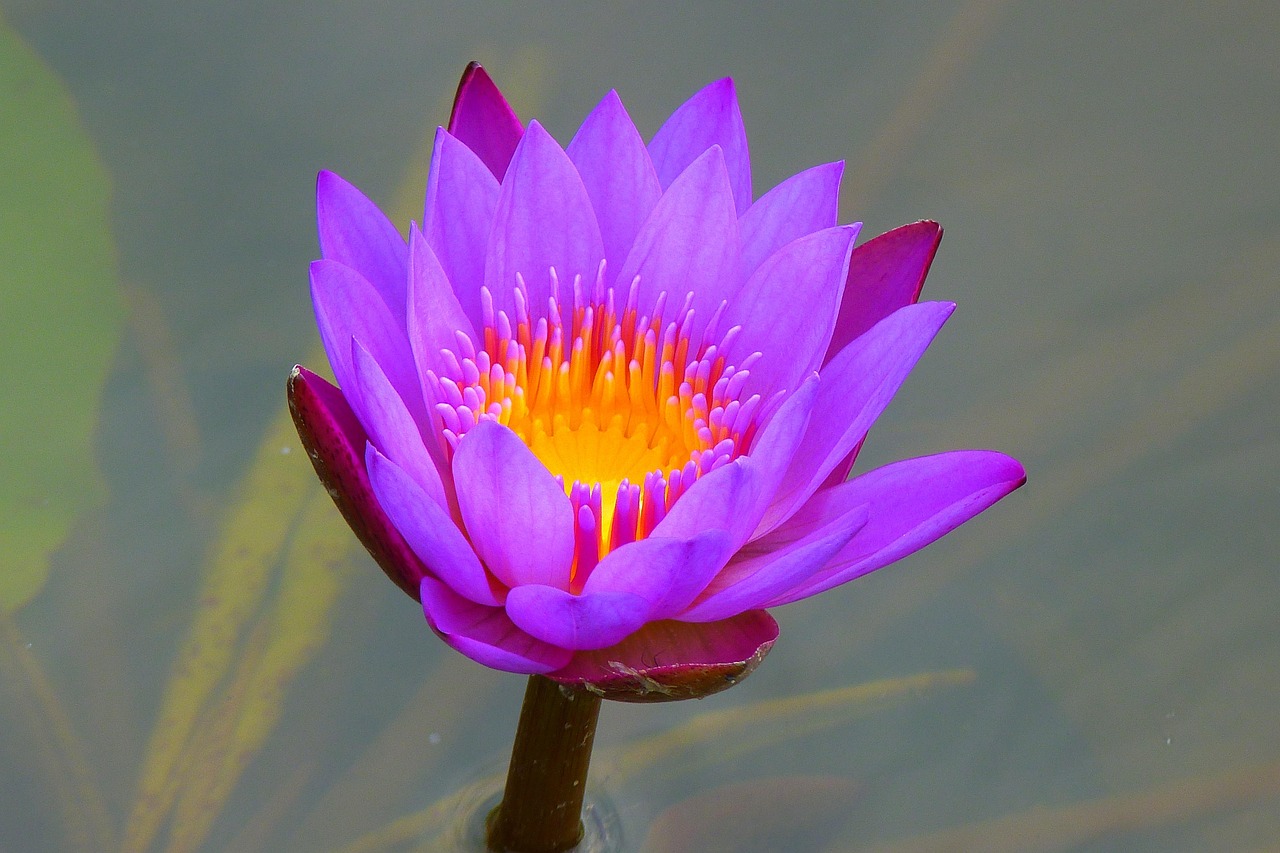
When a peace lily flower turns yellow, it is frequently a normal part of the aging process as the white spathe matures, fades, and prepares to die back. However, premature yellowing can also signal environmental stressors such as excessive direct sunlight, overwatering, nutrient imbalances, or mineral accumulation from municipal tap water.
Diagnosing the exact cause requires evaluating recent changes in your indoor routine, including watering frequency, light placement, and fertilizer history. By examining both the discolored flower and the surrounding green foliage, you can determine whether simple adjustments to your care regimen will restore plant health.
Understanding Natural Spathiphyllum Bloom Maturation
The Aging Process of White Spathiphyllum Spathes
The striking white structure commonly called the peace lily flower is actually a modified leaf known as a spathe. Like all floral and foliar tissue, this specialized leaf has a finite lifespan. As weeks pass following initial emergence, cellular senescence naturally begins.
This biological breakdown causes the bright white pigments to degrade. As chlorophyll or other accessory compounds shift, subtle tonal changes occur. Recognizing this natural cycle prevents unnecessary panic when a mature bloom begins to show signs of age.
Gradual Color Shifts from Pure White to Cream
Before turning a stark yellow, a healthy aging peace lily spathe typically transitions through a soft cream or ivory hue. This subtle shift indicates that the bloom has passed its peak pollination window and is beginning to dry out.
During this stage, the plant redirects vital energy away from the spent flower and back toward the root system and new leaf development. Gardeners can safely ignore this gradual transition as long as the rest of the plant remains vigorous and hydrated.
Transitioning from Creamy Yellow to Brown Senescence
Following the cream and pale yellow phase, the aging spathe will eventually develop darker yellow, tan, or brown patches. The tissue becomes dry, papery, and thin as moisture completely dissipates from the cellular structure.
At this point, the flower has completed its lifecycle. Pruning the spent stem near the base of the plant allows the peace lily to maintain a clean appearance and encourages the future production of fresh green foliage and new blooms.
Irrigation Practices and Root Health Effects
Overwatering and Waterlogged Substrate Symptoms
Incorrect watering habits represent one of the most common catalysts for discoloration in peace lilies. When potting mixes remain continuously saturated, oxygen is driven out of the root zone, suffocating fine feeder roots.
Damaged roots struggle to transport water and essential nutrients upward to the stems, spathes, and leaves. This physiological stress frequently manifests as premature yellowing of both flowers and lower foliage, signaling an urgent need to adjust watering schedules.
Underwatering Impacts on Floral Development
Conversely, allowing a peace lily to experience severe, prolonged drought places immense osmotic stress on the plant. While these plants are famous for dramatic wilting when dry, chronic underwatering can permanently damage developing buds.
A severely dehydrated plant may push out flowers that turn yellow or brown before fully opening. Maintaining consistent soil moisture without keeping the medium soggy helps safeguard delicate floral tissues from dehydration injury.
Mineral Accumulation from Tap Water Supply
Peace lilies are sensitive to chemical additives commonly found in municipal tap water, such as fluoride, chlorine, and excess soluble salts. Over time, these minerals accumulate within the potting substrate, creating chemical imbalances.
High salt concentrations can cause chemical burn along leaf margins and lead to premature yellowing of flowers and tips. Switching to filtered water, rainwater, or allowing tap water to sit out overnight can mitigate these adverse effects.
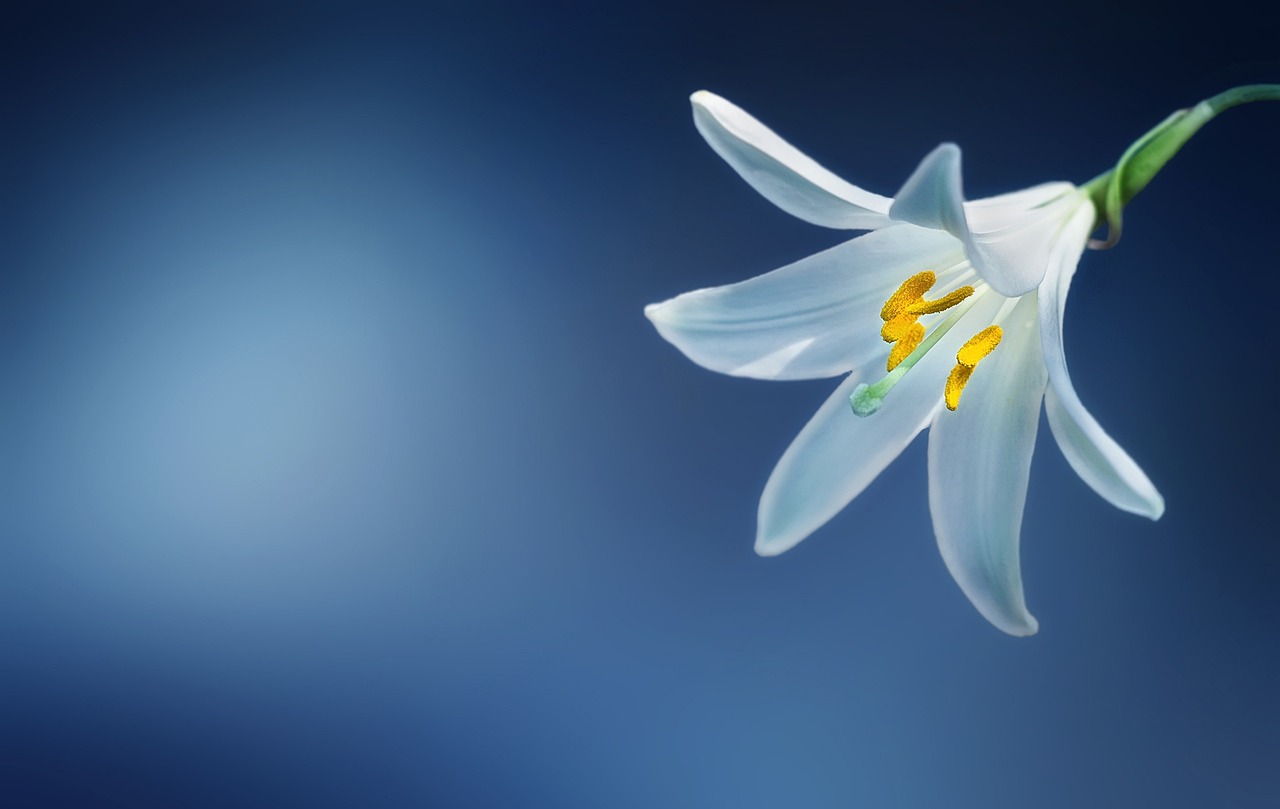
When adjusting your watering routine, take time for diagnosing and treating peace lily yellow spots before they spread further.
Light Exposure Dynamics and Solar Stress
Direct Sunlight and Scorched Floral Tissues
While peace lilies tolerate low indoor illumination better than many houseplants, they cannot handle intense, direct sunlight. Placing a potted specimen directly in a south-facing window exposes fragile spathes to excessive thermal radiation.
Direct ultraviolet rays scorch the sensitive white pigments, causing them to turn an unsightly yellow or brown almost overnight. Relocating the plant to a protected spot with indirect light prevents this form of photolytic damage.
Low Light Adaptation and Pale Spathes
Moving a peace lily into deep interior shade where light levels are extremely low introduces a different set of challenges. Without adequate light energy, the plant cannot perform efficient photosynthesis to sustain heavy blooming.
In deeply shaded environments, newly emerged flowers may lack vibrant pigmentation, appearing pale green or washed-out yellow from the start. Finding a balanced medium-light location encourages optimal coloration and steady growth.
Ideal Indoor Placement for Spathiphyllum
The ideal placement for a thriving peace lily is typically an eastern-facing window or a few feet back from a bright northern or western exposure. These locations provide gentle, ambient illumination for several hours daily.
By mimicking the dappled understory light conditions of their native tropical habitats, indoor gardeners can maintain vibrant, long-lasting white spathes and lush, dark green foliage year-round.
Potting Mix Composition, Drainage, and Nutrition
Selecting Aerated, Well-Draining Substrates
A heavy, dense garden soil retains far too much moisture for container-grown peace lilies, rapidly leading to root rot and yellowing tissues. A quality potting mix must balance water retention with high porosity.
Formulating a customized blend ensures that excess irrigation water escapes freely through container drainage holes, preventing the stagnant conditions that trigger stress-related yellowing across the entire plant specimen.
The Role of Perlite and Orchid Bark
Incorporating coarse amendments like perlite, pumice, or fine orchid bark into standard potting soil dramatically improves internal aeration. These materials create tiny air pockets within the root zone.
Better airflow supports healthy root respiration and nutrient uptake. When roots function efficiently, they supply adequate nourishment to keep flowers crisp, white, and free from premature yellowing or necrosis.
Managing Fertilizer Levels to Prevent Burn
Over-fertilizing is just as detrimental as under-fertilizing when it comes to peace lily flower health. Excessive synthetic nutrient salts build up rapidly in container soil, chemically burning the root tips and stressing the plant.
Apply a balanced, water-soluble houseplant fertilizer at half-strength only during the active spring and summer growing seasons. Withhold feeding entirely during autumn and winter when natural growth slows down.
Soil compaction and root crowding often necessitate identifying when to repot during the active growing season.
Diagnostic Steps for Overall Plant Distress
Inspecting Root Systems During Repotting
When persistent flower and leaf yellowing cannot be resolved through adjustments in light and watering, a root inspection may be necessary. Gently slip the plant out of its container to examine the root network.
Healthy roots appear firm, light-colored, and plump. Conversely, dark, mushy, or foul-smelling roots indicate advanced root rot, requiring immediate removal of diseased tissue and repotting into fresh, sterile substrate.
Differentiating Foliage Yellowing from Flower Discoloration
Observing whether yellowing affects only the flowers or spreads across the foliage helps isolate the root cause. Natural floral aging affects only the older spathes, leaving leaves completely untouched and vibrant.
If both leaves and flowers turn yellow simultaneously, the issue is typically systemic, pointing directly toward severe overwatering, pest infestations, or acute nutrient deficiencies within the container environment.
Addressing Environmental Drafts and Temperature Shifts
Peace lilies thrive in stable indoor temperatures ranging between 65 and 80 degrees Fahrenheit. Exposing these tropical plants to sudden cold drafts from exterior doors or hot blasts from heating vents causes severe shock.
Environmental stress of this nature disrupts normal cellular metabolism, frequently resulting in dropped buds, curled leaves, and prematurely yellowed flowers. Maintaining a stable indoor climate safeguards overall plant vitality.
When assessing discoloration on your foliage, look closely when addressing peace lily yellow spots across the leaves.
Frequently Asked Questions
Why is my peace lily flower turning yellow right after opening?
A flower turning yellow immediately upon opening usually indicates severe environmental stress, such as intense direct sunlight scorching the tender tissue, or extreme temperature fluctuations near a drafty window or heating vent. In some cases, acute chemical stress from high mineral content in tap water can also trigger rapid discoloration in newly emerged spathes before they have a chance to fully mature into a bright, clean white color.
Can I cut off the yellow peace lily flower?
Yes, you can and should remove yellowed or dying flowers from your peace lily. Use clean, sharp pruning shears or scissors to cut the entire flower stem back as close to the base of the plant as possible without damaging surrounding green foliage. Pruning spent blooms prevents the plant from wasting valuable metabolic energy on decaying tissue and encourages the redirection of resources toward new leaf growth and future flower development.
Is a yellow peace lily flower a sign of root rot?
While root rot typically causes both leaves and flowers to turn yellow simultaneously, a discolored flower alone is not a definitive diagnosis for root rot. Root rot usually manifests first as widespread lower-leaf yellowing, wilting despite wet soil, and a mushy root structure. If only the flowers turn yellow while the foliage remains firm and green, the issue is more likely related to natural aging, light stress, or minor watering inconsistencies.
How often should I water my peace lily to prevent yellowing?
There is no rigid calendar schedule for watering peace lilies, as homes experience varying humidity, temperature, and light levels. Instead, check the potting mix every few days by inserting a finger an inch into the soil. Water thoroughly only when the top inch of the medium feels dry to the touch, and ensure that any excess water drains completely from the bottom of the pot to prevent waterlogged, suffocated roots.
Do peace lilies require special fertilizer to keep flowers white?
Peace lilies do not require specialized whitening fertilizers. Standard, balanced indoor houseplant fertilizers applied at half-strength during the spring and summer growing season provide all necessary nutrients. Over-fertilizing can actually harm the plant by building up salt deposits in the potting mix, which burns the root system and leads to premature yellowing of both foliage and flowers. Always flush the soil occasionally with plain water.
What light conditions prevent peace lily flowers from fading?
Bright, indirect light is ideal for keeping peace lily flowers vibrant and preventing premature fading or yellowing. Placing the plant near an east-facing window or slightly back from a bright southern exposure provides the gentle illumination required for healthy pigmentation. Avoid placing peace lilies in dark interior hallways where low light stunts blooming, as well as direct southern sunlight windows where harsh rays scorch and yellow delicate white spathes.