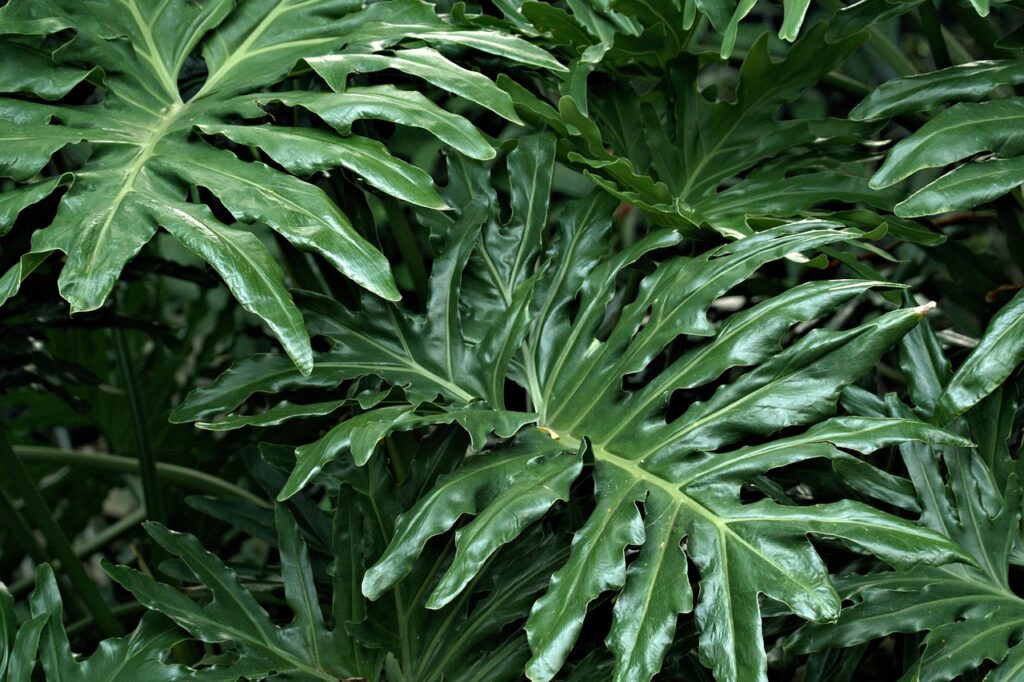
Spotting philodendron erubescens yellow leaves usually indicates an imbalance in environmental conditions, most commonly related to watering habits, light exposure, or root stress. Because this tropical climbing species relies on stable moisture and well-aerated substrates, any disruption in its routine triggers visible chlorosis as the plant reabsorbs mobile nutrients or sheds compromised foliage. Addressing this […]
How Many Ice Cubes Should You Use for an Orchid?
When caring for indoor Phalaenopsis orchids, determining how many ice cubes to use typically comes down to plant size and pot dimensions, with three standard-sized ice cubes once a week serving as a common baseline recommendation in retail care tags. While this method provides a slow, measured release of moisture designed to prevent overwatering, it […]
Why Are Your Philodendron Gloriosum Leaves Turning Yellow?
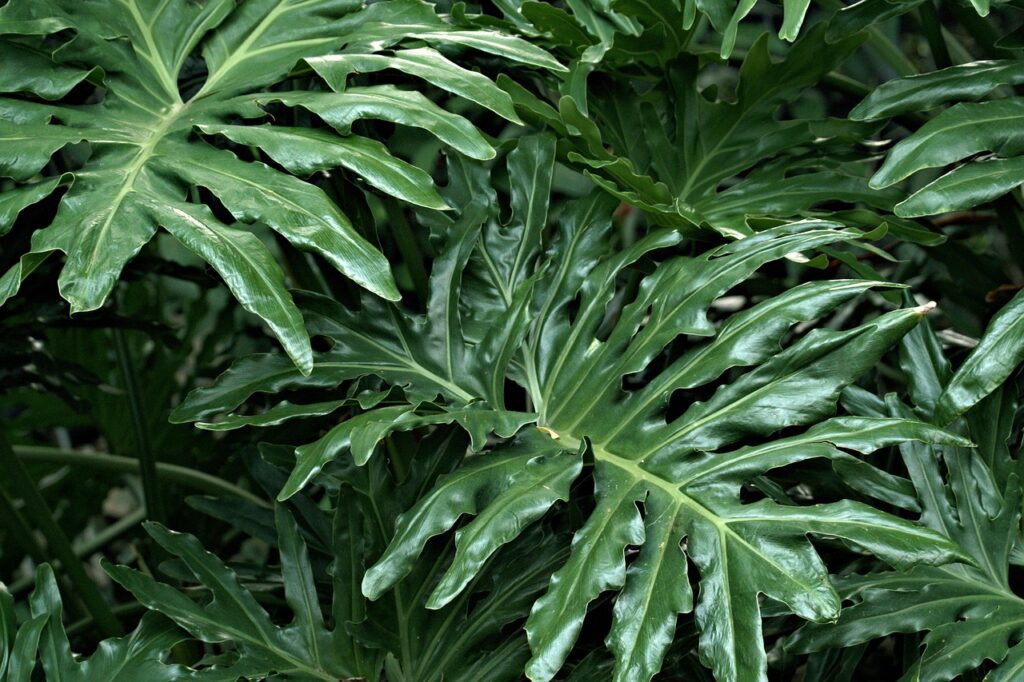
When you notice your philodendron gloriosum leaves turning yellow, it is typically a sign of physiological stress rather than an immediate terminal illness. Because this species features distinct, velvety heart-shaped leaves on horizontal crawling rhizomes, its care requirements differ slightly from vertical climbing aroids. Chlorosis, or yellowing, usually points toward issues involving root moisture, illumination […]
How Often to Water Orchids in Winter for Healthy Growth
During the winter months, most indoor orchids require watering every seven to fourteen days, though this schedule depends heavily on your specific indoor climate. Because cooler temperatures and shorter days slow down the plant metabolism, roots absorb moisture at a much slower rate than they do during the active summer growing season. The safest approach […]
How Long Should Orchids Sit in Water for Healthy Roots
Orchids generally should sit in water for ten to fifteen minutes when using the soaking method to thoroughly hydrate dry potting media. This timeframe allows bark or moss to absorb adequate moisture without suffocating the root system or causing long-term cellular damage. Leaving potted orchids submerged for extended periods, such as overnight or permanently in […]
Understanding Moisture Levels in Orchid Potting Soil
Orchid soil, more accurately referred to as potting medium, should not remain constantly wet or soggy. Unlike traditional houseplants that thrive in dense, moisture-retentive dirt, most popular orchids are epiphytes that require airy, fast-draining substrates. For most popular epiphytic orchids, the ideal moisture level is damp during active growth followed by drying out substantially before […]
How Often to Water Outdoor Orchids for Healthy Growth
Determining how often to water outdoor orchids depends primarily on local weather conditions, container size, and the specific potting medium used rather than a fixed calendar schedule. Most outdoor orchids require watering every three to seven days, but high summer temperatures and drying winds can necessitate daily checks. Balcony and patio setups expose container-grown orchids […]
How to Use Self-Watering Planters for Healthy Plants
A self-watering planter utilizes a hidden water reservoir beneath the main growing compartment to supply moisture steadily to plant roots. Instead of watering from the top, you fill a base basin, and the potting medium draws up hydration through capillary action as needed. Setting up these containers correctly requires understanding how wicks function, selecting the […]
A Practical Guide: How Often to Water Indoor Orchids Correctly
Indoor orchids typically require watering every seven to ten days, but rigid calendar schedules fail because environmental conditions dictate true moisture needs. The most reliable indicator for watering is the visual and tactile state of the plant’s roots rather than a set number of days. Epiphytic orchids, such as popular Phalaenopsis varieties, grow on trees […]
How Often to Feed Orchids for Healthy Growth
Orchids generally require feeding every two to four weeks during their active growth period, typically using a balanced, water-soluble fertilizer mixed at one-quarter strength. This measured approach provides essential nutrients without overwhelming sensitive root systems that evolved to absorb sparse nutrients in natural habitats. Adjusting this baseline frequency depends heavily on the specific growth stage […]