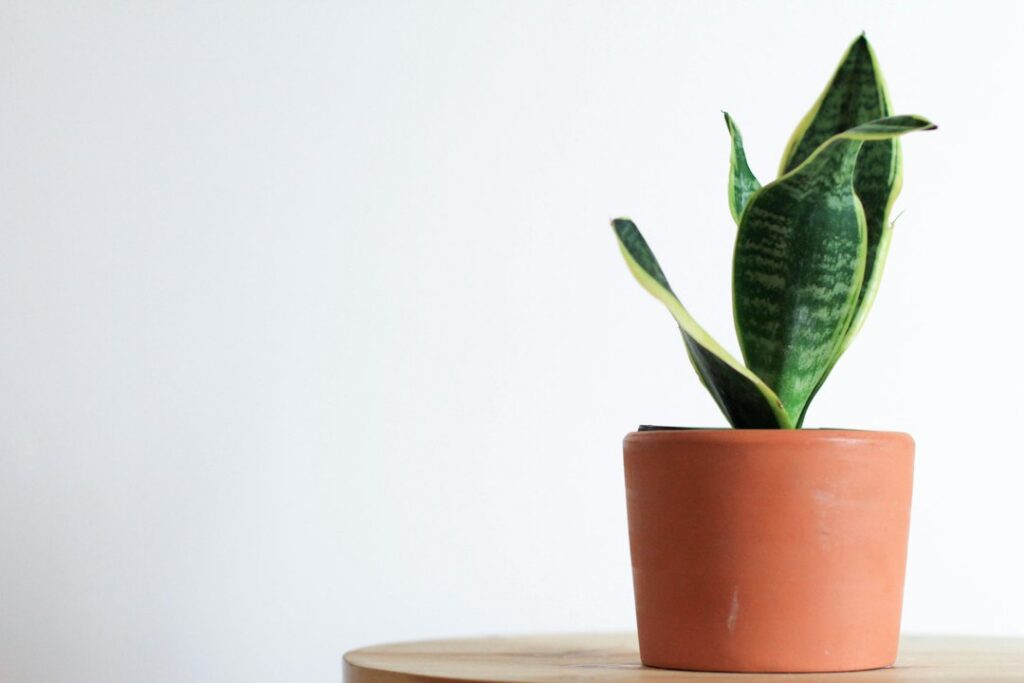
Snake plant water propagation generally takes anywhere from four to eight weeks before visible roots begin to emerge from the cut base of the leaf. However, the total duration depends heavily on ambient room temperatures, available light levels, and the overall health of the parent plant. While roots may sprout within a month under ideal […]
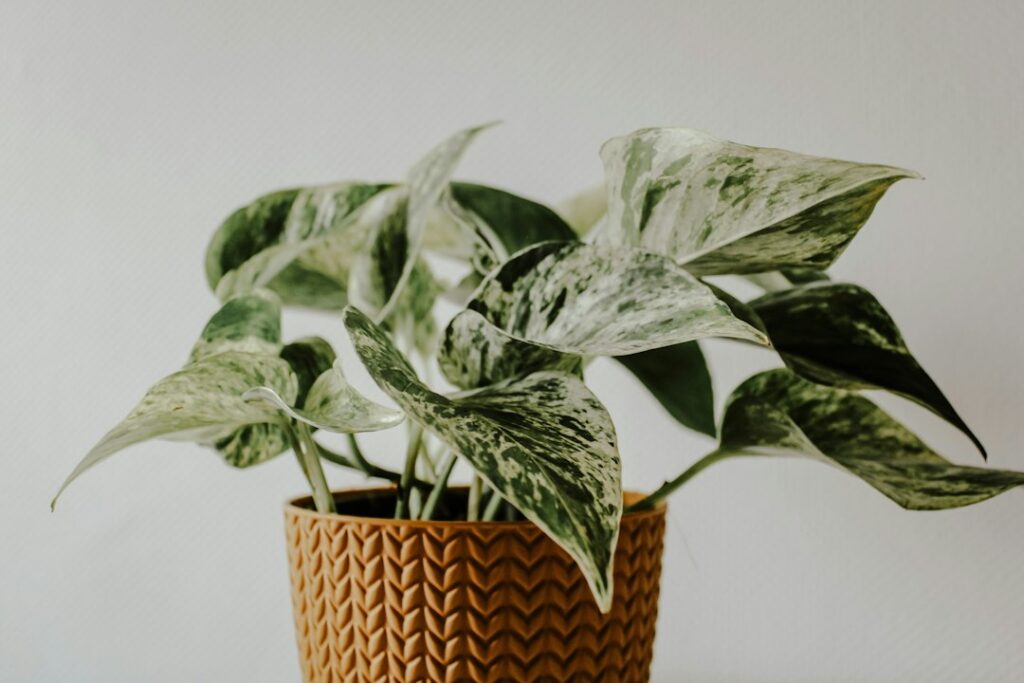
Why Are Your Pothos Propagation Roots Turning Black?
When propagating pothos stems, discovering that the newly emerging roots have turned black is a common and distressing sight for indoor gardeners. This discoloration typically indicates tissue death caused by oxygen deprivation, fungal pathogens, or bacterial decay within the propagation environment. Whether you are rooting cuttings in plain water or a specialized medium, black roots […]

Hardy Annual Flowers That Thrive in Full Sun
Growing annuals in full sun on balconies and patios requires careful attention to intense light, wind exposure, and rapid moisture evaporation. Sun-loving annual plants thrive when exposed to six or more hours of direct daily sunlight, producing vibrant blooms throughout the growing season. Selecting the right container-grown annuals involves understanding how intense solar radiation impacts […]
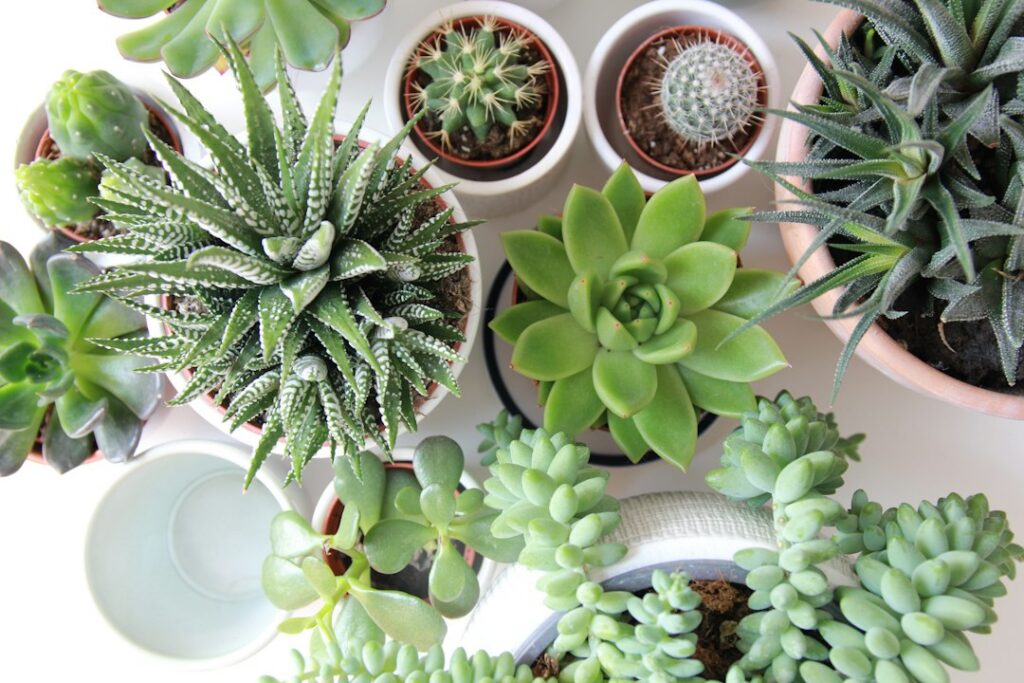
Succulent Propagation: When to Plant Your Cuttings
Succulent propagation is most successfully initiated during the spring and early summer months. During this active growing season, rising temperatures and extended daylight hours stimulate rapid cellular division and root development across most common genera. While spring serves as a reliable default timing window for the majority of indoor potted succulents, specific botanical variations matter […]

Ideal Depth of Pot for Tomatoes: Container Gardening Guide
Tomatoes require specific pot depths depending on their root architecture, varying from twelve to twenty inches or more for robust cultivars. Adequate depth ensures the taproot can extend downward without encountering physical barriers that stunt overall plant development. Choosing the correct container depth directly influences moisture regulation, nutrient availability, and structural stability throughout the growing […]
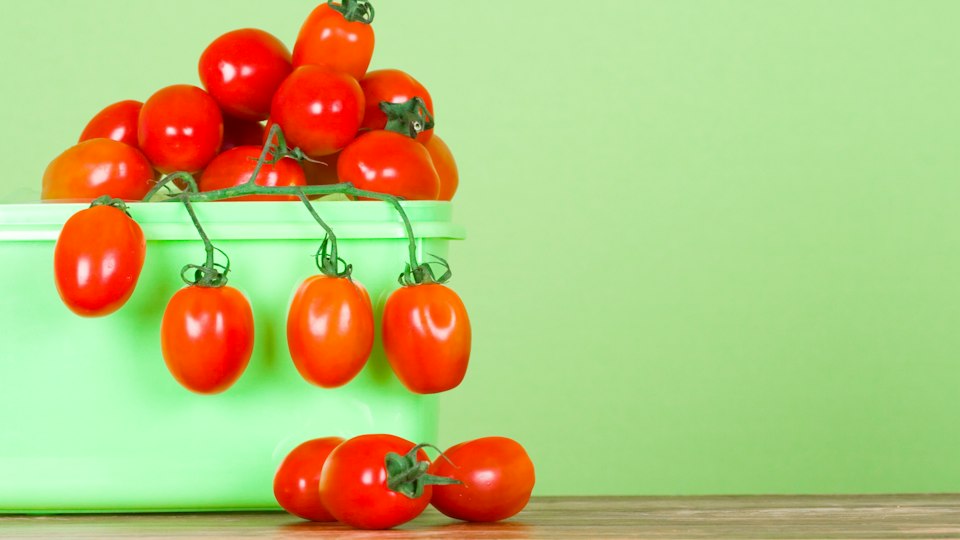
Ideal Container Depth for Growing Healthy Tomatoes
Container-grown tomatoes generally require a minimum soil depth of 12 to 18 inches to support a healthy root system and sustain heavy fruit production. Choosing the correct depth ensures that extensive fibrous and lateral feeder roots have adequate space to anchor the plant and absorb essential moisture and nutrients throughout the growing season. Standard vining […]
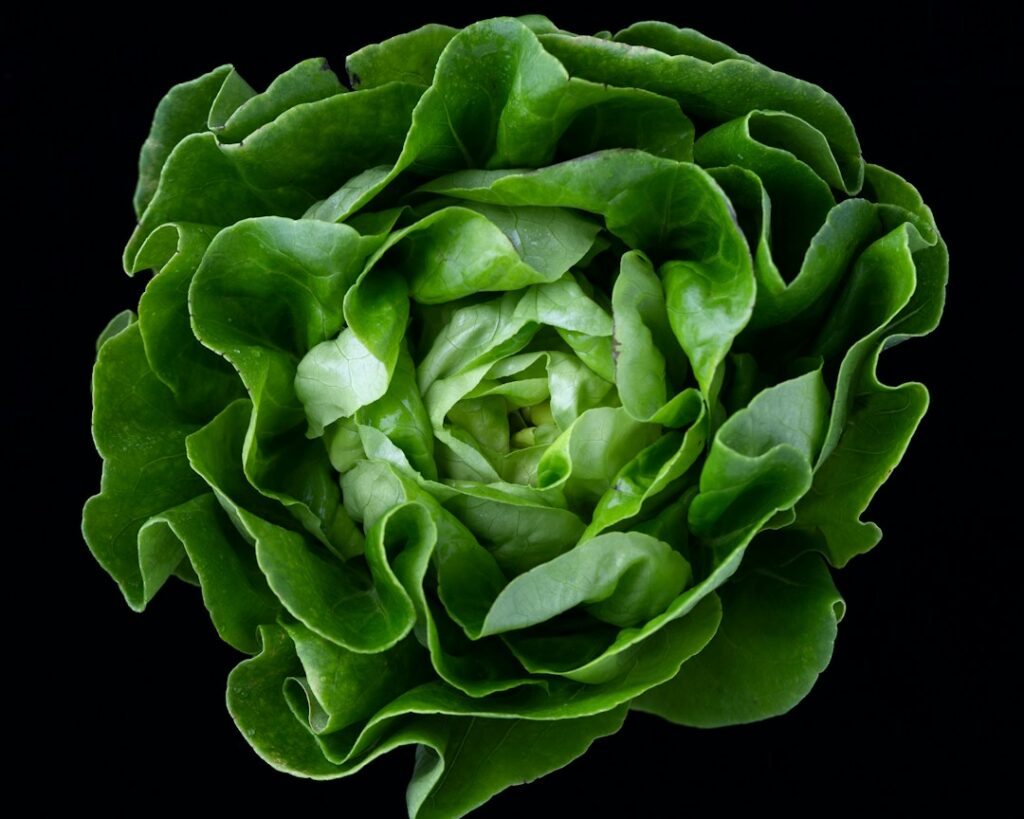
How to Choose the Right Container Depth for Lettuce
When growing lettuce in containers, the ideal container depth generally ranges from 6 to 8 inches. Because lettuce features a relatively shallow, fibrous root system that rarely extends deeper than 4 to 6 inches into the growing medium, massive pots are unnecessary and can actually complicate moisture management. Providing a moderate depth ensures roots have […]

Complete Guide to Beans You Can Grow Successfully
Growing beans in containers on balconies or patios is an accessible way to harvest fresh vegetables without a traditional garden bed. Many bean cultivars adapt exceptionally well to pots, provided they receive sufficient sunlight, well-draining soil, and proper structural support where necessary. Both bush and pole beans thrive in confined root zones if soil moisture […]
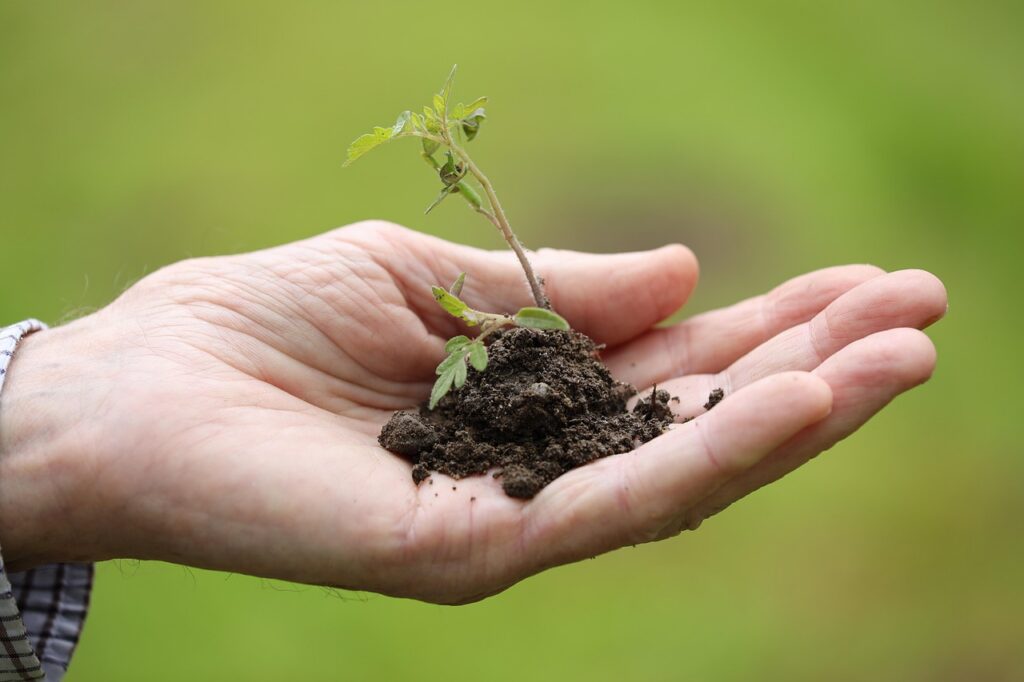
How to Choose the Right Pot Depth for Tomatoes
Choosing the correct depth of pot for a tomato plant is vital for healthy root development and overall fruit yield. Tomatoes possess vigorous root systems that require sufficient vertical space to anchor the plant and absorb adequate moisture and nutrients. For standard varieties, a container depth of twelve to eighteen inches provides the necessary vertical […]
How to Treat Yellow and Brown Tips on Dracaena Fragrans
Yellow and brown tips on Dracaena fragrans, commonly known as the corn plant, are a frequent diagnostic sign indicating environmental stress or improper cultural care. These discoloration patterns usually begin at the very edge of the long, strap-shaped leaves and can gradually spread inward if the underlying trigger remains uncorrected. While the lower leaves naturally […]