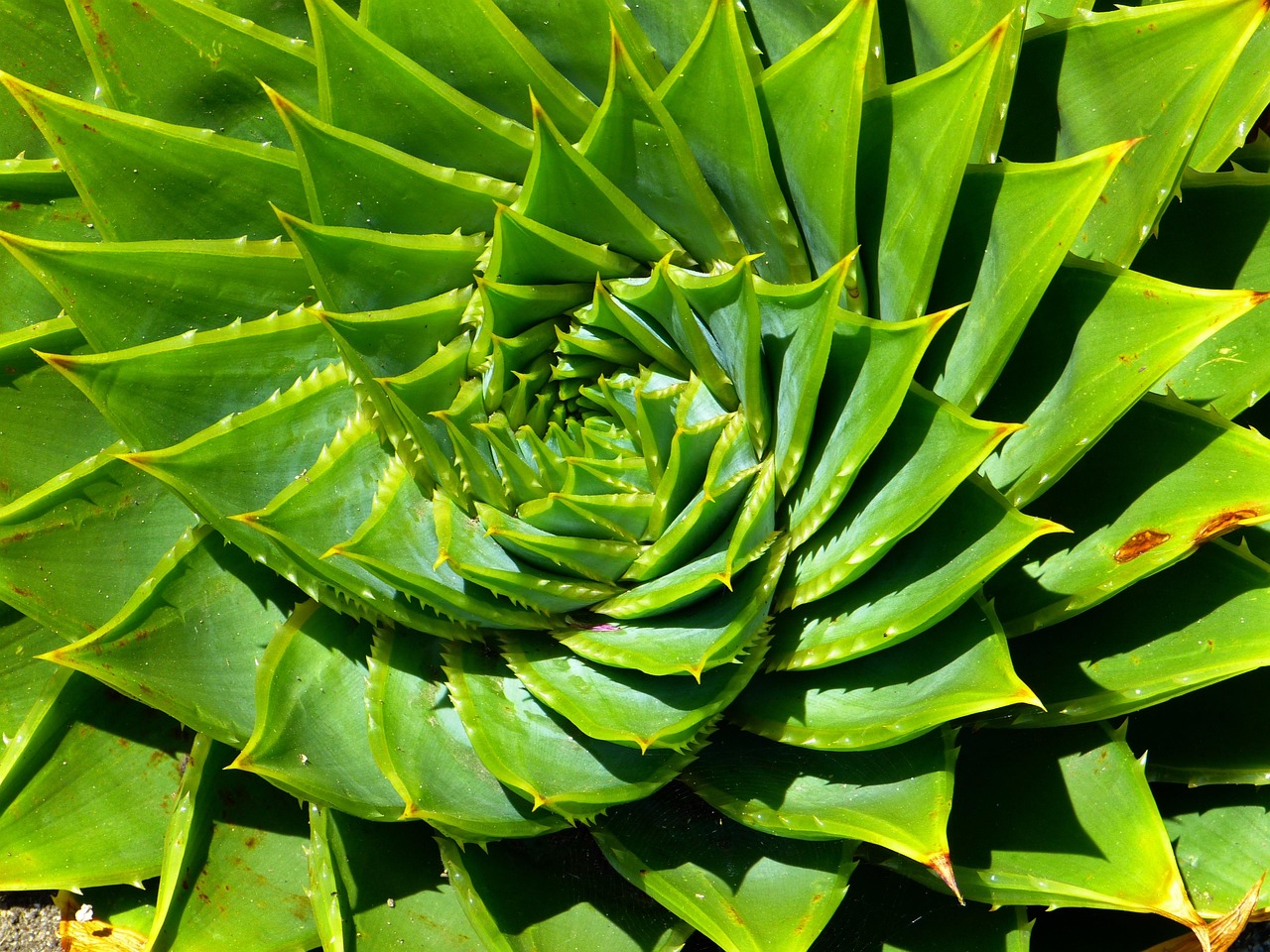
Bottom watering an aloe plant involves placing the potted succulent into a shallow basin of water, allowing the potting mix to draw moisture upward through the drainage holes via capillary action. This method ensures the deep root zone receives adequate hydration while keeping the crown and lower leaves completely dry, which significantly reduces the risk of fungal decay and stem rot common in arid species.
To execute this technique correctly, submerge the lower third of the pot for twenty to thirty minutes until the top surface of the soil feels slightly damp to the touch, then remove the container and let it drain completely. This practice encourages downward root growth and prevents the accumulation of surface mineral crusts often caused by traditional overhead watering methods.
Principles of Sub-Irrigation for Potted Succulents
How Capillary Action Draws Moisture Upward
Capillary action is the physical process by which liquid moves through narrow spaces against the force of gravity. In bottom watering, dry potting mix contains countless microscopic air pockets that act as tiny tubes. When placed in water, the soil matrix pulls moisture upward from the drainage holes. This gradual migration wets the entire root ball evenly without disturbing delicate soil structures or compacting the top layer.
Unlike overhead sprinkling, which often leaves dry pockets in hydrophobic soil, sub-irrigation ensures total saturation of the root zone. The water moves horizontally and vertically through porous amendments, ensuring every root has access to moisture based on its natural absorption rate.
Selecting Suitable Vessels and Basin Depths
The success of bottom watering depends heavily on using the right containment basin. A shallow tray, saucer, or sink basin should be deep enough to hold one to two inches of water without overflowing the rim of the plant pot. The water level must never exceed the lower third of the plant container to prevent water from splashing onto the rosette leaves or saturating the stem base.
Containers must feature functional drainage holes at the base. Pots without holes cannot utilize bottom watering effectively because air pressure and lack of direct contact prevent water from entering the soil profile from below.
Monitoring Soak Duration to Prevent Saturation
Leaving an aloe plant in water for too long can cause the potting medium to become waterlogged, starving roots of oxygen. The ideal duration ranges from fifteen to forty-five minutes, depending on the pot size and soil composition. A lightweight, porous mix absorbs water quickly, while denser soils require extended soaking times.
Gardeners should check the topsoil periodically during the soak. Once dampness reaches the surface layer, immediately lift the pot from the basin. Allowing excess water to drain out completely into a separate sink prevents prolonged root exposure to stagnant moisture.
When you want to automate your succulent care routine, investing in the best self watering planters can significantly reduce manual effort.
Root Systems and Potting Media Mechanics
Porous Soils and Rapid Drainage Essentials
Aloe plants possess fleshy root systems adapted to loose, rocky environments where water drains away almost immediately. When bottom watering, the soil mix must facilitate rapid upward capillary movement followed by fast drainage. A standard blend incorporates coarse sand, perlite, or pumice mixed with minimal organic compost to prevent water retention.
Heavy garden soils or dense peat-based mixes hold too much water during sub-irrigation, increasing the likelihood of root rot. Ensuring the medium has high porosity protects the plant from the prolonged moisture retention that can damage succulent tissues.
The Role of Terracotta Versus Plastic Containers
Container material dictates how quickly bottom-watered soil dries out. Terracotta and unglazed clay pots are porous, allowing moisture to evaporate through the container walls. This characteristic complements bottom watering by accelerating the drying process and reducing overall water dwell time in the root zone.
Plastic and glazed ceramic pots retain moisture longer because they lack porosity. When using non-porous containers for bottom watering, gardeners must wait longer between sessions to ensure the soil dries thoroughly throughout the entire depth of the pot.
Preventing Mineral Salt Buildup in Sub-Irrigated Soil
Because bottom watering pulls moisture upward rather than flushing it downward, mineral salts from tap water and fertilizers can accumulate near the soil surface. Over time, this white crust can cause chemical burns if roots grow upward into the saline zone or if salts leach back down during heavy humidity.
To mitigate salt accumulation, flush the potting mix from the top down once every three to four months. Run clear water freely through the entire pot, letting it drain completely out of the bottom holes to wash away accumulated residues.
Before undertaking maintenance tasks such as learning how to cut aloe vera plant foliage, ensure the root ball is stable.
Establishing Realistic Watering Schedules
Assessing Seasonal Variations in Indoor Growth
Aloe plants experience distinct growth phases dictated by light levels and ambient temperature. During spring and summer, active growth increases water consumption, requiring more frequent bottom watering sessions. Conversely, winter dormancy slows metabolic processes, meaning the plant needs significantly less moisture.
Adjusting the watering interval according to the season prevents over-saturation. Forcing a rigid calendar schedule without observing environmental changes often leads to root stress, as indoor heating and reduced winter sunlight drastically alter drying rates.
Testing Soil Dryness Below the Surface Crust
Relying solely on the visual appearance of the topsoil is unreliable when assessing an aloe plant’s water needs. The surface dries quickly under indoor airflow, while the root zone remains damp. Gardeners should insert a wooden dowel or moisture meter several inches deep into the pot.
If the probe emerges with clinging damp particles or dark soil stains, postpone watering. Bottom watering should occur only when the entire vertical column of soil has dried completely from top to bottom.
Adapting to Ambient Humidity and Temperature
Indoor microclimates heavily influence how frequently an aloe plant requires hydration. Homes with dry heating systems or air conditioning dry out potted soil much faster than humid environments. Conversely, high indoor humidity slows evaporation, extending the interval between watering sessions.
Monitoring local room conditions helps determine the correct frequency. In warm, dry rooms, pots dry out rapidly, whereas cooler spaces require extended rest periods between sub-irrigation cycles to maintain root health.
Many growers wonder if they can effectively bottom water with fertilizer during the active growing season to boost nutrient uptake.
Diagnosing Moisture Imbalances and Rot Risks
Identifying Early Signs of Sub-Surface Over-Saturation
Over-watering during bottom-irrigation is rarely caused by a single session, but rather by inadequate drying time between cycles. Early signs of excess moisture include pale, translucent leaves that feel unusually squishy rather than firm. The lower leaves may turn yellow or brown and detach easily from the stem.
Catching these symptoms early allows the grower to intervene by withholding water, increasing light exposure, or repotting the aloe into fresh, dry soil before systemic rot takes hold.
Distinguishing Between Under-Watering and Rot Symptoms
Both under-watered and over-watered aloes can exhibit shriveled leaves, confusing many growers. Under-watered plants show flat, curled, or wrinkled leaves that remain firm in color, whereas rotting plants display mushy, discolored foliage near the soil line.
Checking soil moisture resolves the ambiguity. If the soil is bone-dry and the pot is extremely lightweight, the plant needs a bottom-watering session. If the soil is damp and the base is soft, moisture excess is the primary issue.
Remedial Measures for Waterlogged Root Zones
When an aloe plant suffers from severe waterlogging, immediate action is required to save the specimen. Remove the plant from its pot, gently brush away wet soil from the root system, and inspect the roots for dark, mushy, or foul-smelling sections.
Sterile shears should be used to trim away all decayed root material. Allow the remaining healthy roots to dry out in a shaded, well-ventilated area for twenty-four hours before repotting the aloe into dry, well-aerated succulent mix.
Gardeners should carefully monitor soil saturation levels because over water by bottom watering can unexpectedly saturate fragile root systems.
Beginners often ask whether it is possible to accidentally overwater houseplants through bottom watering when containers sit too long.
Managing Balcony and Outdoor Potted Environments
Exposure Shifts from Indoor Windowsills to Balconies
Moving an indoor aloe plant to a balcony exposes it to intense ultraviolet radiation, wind, and fluctuating temperatures. These environmental factors dramatically accelerate evaporation rates, meaning outdoor potted aloes require closer monitoring of soil moisture.
While bottom watering remains an effective technique for balcony containers, the frequency of sessions will likely increase during peak summer months due to wind drying and solar heat load on the pots.
Rain Management and Protective Placement Strategies
Outdoor balcony containers are vulnerable to unexpected downpours that can saturate bottom-watered soil beyond safe limits. Placing potted aloes under an overhang or providing temporary shelter during heavy storms prevents uncontrolled water accumulation.
If a balcony pot becomes completely waterlogged by rain, tip the container slightly to encourage rapid drainage, and avoid any additional watering until the deep root zone dries out naturally.
Thermal Stress and Evaporation Rate Management
Balcony surfaces such as concrete and metal railings absorb and radiate heat, increasing ambient temperatures around potted plants. This thermal stress can cause rapid moisture loss, leading to root dehydration even if the soil was recently saturated from below.
Using outer decorative cachepots or elevating containers on pot feet improves airflow beneath the drainage holes, protecting roots from extreme surface heat and maintaining a stable thermal environment for the plant.
Frequently Asked Questions
How long should an aloe plant sit in water during bottom watering?
An aloe plant should typically remain in a shallow basin of water for twenty to forty minutes. This duration allows the porous potting mix to draw moisture upward through the drainage holes via capillary action without saturating the root zone to dangerous levels. Remove the pot immediately once the topsoil feels slightly damp.
Can bottom watering cause root rot in succulents?
Bottom watering itself does not cause root rot, but improper execution can. Leaving the pot submerged for too long, using dense and water-retentive soil, or failing to let excess water drain completely afterward creates a stagnant environment that encourages fungal decay in sensitive succulent roots.
How often should an aloe plant be bottom watered?
There is no fixed calendar schedule for bottom watering an aloe plant. Frequency depends on ambient temperature, humidity, pot size, and light exposure. Always test the soil deep within the pot using a wooden probe and only water when the medium is completely dry from top to bottom.
Should I use fertilizer when bottom watering my aloe?
Fertilizer can be added to the soaking basin occasionally, but only during the active spring and summer growing seasons at half-strength. Because bottom watering pulls minerals upward, infrequent top-flushing with plain water is necessary to prevent harmful salt buildup in the root zone.
Why is the topsoil still dry after bottom watering?
If the topsoil remains completely dry after a standard soaking period, the potting mix may have become hydrophobic, or the water level in the basin was too low to reach the root ball. Ensure the water reaches the lower third of the pot and allow sufficient time for capillary action to complete its work.
Is bottom watering better than overhead watering for aloes?
Bottom watering is generally preferred for aloes because it encourages deep root growth and keeps moisture off the rosette leaves and stem base. Overhead watering increases the risk of trapped water causing crown rot in the dense leaf junctions characteristic of succulent species.