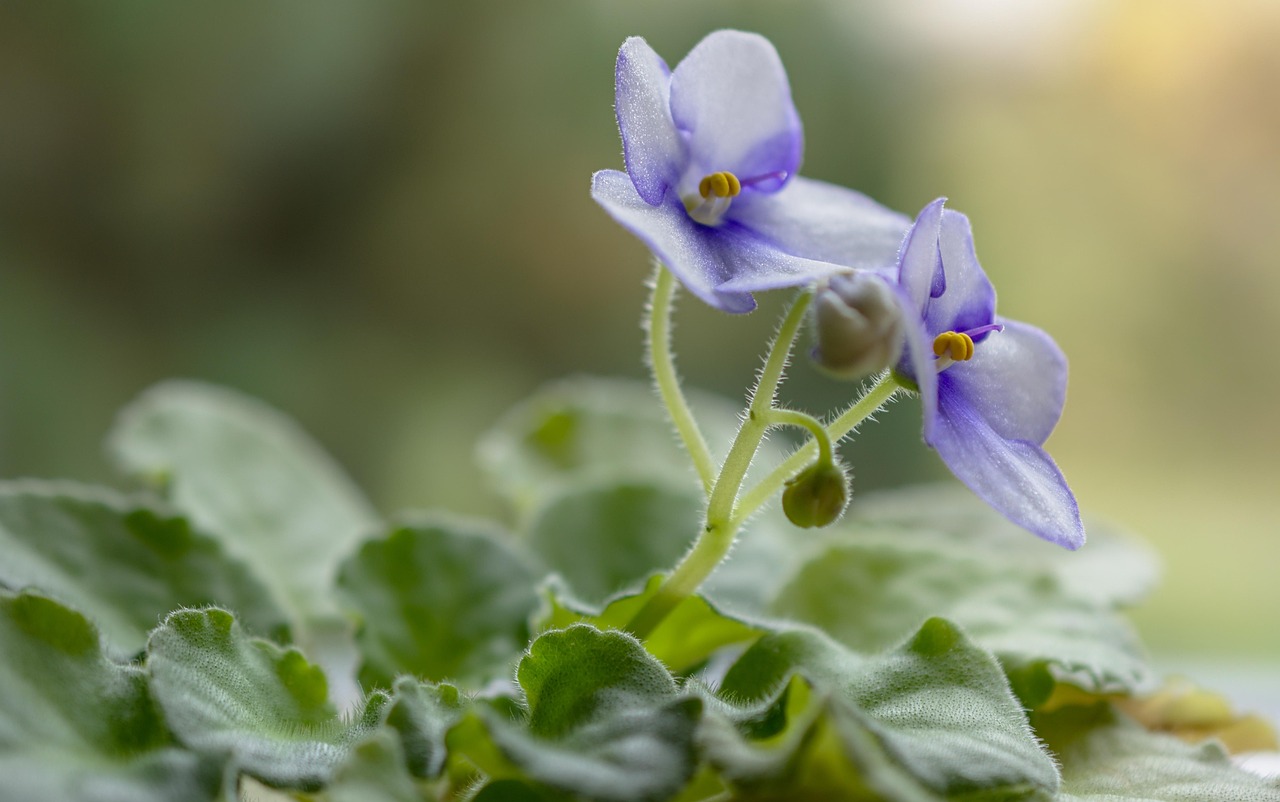
Growing African violets successfully requires balancing precise moisture levels, specialized potting media, and stable indoor environments. When paired with self-watering pots, these sensitive houseplants can thrive by drawing consistent hydration through capillary action rather than traditional top-watering methods.
Understanding the unique biological traits of Saintpaulia species helps growers adapt sub-irrigation tools effectively. By managing reservoir hygiene, soil porosity, and ambient lighting, indoor gardeners can maintain healthy foliage and continuous blooming cycles without risking common root saturation disorders.
Fundamental Dynamics of African Violets in Enclosed Containers
Biological Characteristics of Saintpaulia Species
African violets possess fleshy leaves and delicate root systems that react poorly to extreme moisture fluctuations. Their natural habitat features shaded, humid environments with well-drained organic matter. Replicating these conditions indoors requires careful container selection.
Unlike woody houseplants, Saintpaulia stems are prone to rot if buried too deeply or exposed to standing water. Self-watering systems provide a regulated moisture supply that matches their natural tropical understory origins.
The Role of Humidity and Air Circulation
Indoor humidity directly influences transpiration rates and leaf health in African violets. While they appreciate moderate moisture in the air, stagnant microclimates encourage fungal pathogens like powdery mildew.
Gentle air movement around the foliage helps prevent moisture accumulation on fuzzy leaf surfaces. Growers should position plants where air circulates freely without exposing them to harsh heating or cooling drafts.
Root Sensitivity and Container Constraints
African violets prefer slightly root-bound conditions and perform best in relatively small containers. Oversized pots hold excess moisture, increasing the likelihood of anaerobic soil conditions and root decay.
Self-watering pots must match the plant’s modest root volume. Using appropriately sized reservoirs ensures that moisture is drawn up steadily without overwhelming the narrow root zone.
Adaptation to Artificial Irrigation
Transitioning an established African violet to a self-watering pot requires a brief adjustment period. The root system must adapt from intermittent top-watering to continuous, passive moisture uptake.
Monitoring the soil surface during the first two weeks helps confirm that capillary action is functioning correctly. If the topsoil remains overly dry, supplementary top-watering may be necessary initially.
When exploring options, many growers integrate specific house plants for self watering pots to maintain consistent root moisture levels.
Principles and Mechanics of Self-Watering Pots
Capillary Action and Wick Mechanics
Self-watering containers rely on physics, specifically capillary action, to transport water from a lower reservoir to the upper growing medium. A synthetic or cotton wick bridges the gap between the water chamber and the soil.
As moisture evaporates from the soil surface, capillary forces draw water upward through the wick fibers. This creates a balanced moisture equilibrium that keeps the root zone consistently damp.
Porous Ceramic and Terra Cotta Reservoirs
Certain self-watering designs utilize unglazed ceramic or terra cotta walls instead of traditional wicks. The porous material allows water to seep directly from an outer chamber into the surrounding potting mix.
This design provides uniform moisture distribution across the entire base of the root ball. However, mineral deposits can accumulate in the porous walls over time, requiring periodic cleaning.
Water Level Management and Stagnation Risks
Maintaining the correct water level in the reservoir is essential for preventing root suffocation. The water line should never touch the bottom of the inner pot directly unless a proper air gap is maintained.
Stagnant water can harbor algae, bacteria, and fungus gnats if left unattended for too long. Emptying and refilling the reservoir every week or two keeps the system fresh and oxygenated.
Nutrient Delivery via Irrigation Water
Fertilizing plants in self-watering pots requires a diluted approach to prevent mineral salt buildup. Water-soluble nutrients can be added directly to the reservoir at a fraction of the standard recommended strength.
Because moisture constantly moves upward, dissolved salts eventually concentrate near the soil surface. Periodic flushing from the top helps wash excess minerals down and out of the root zone.
Many enthusiasts prefer building a self watering planter to simplify moisture management for sensitive root systems.
Understanding how self watering pots for houseplants operate helps prevent root rot by regulating water uptake efficiently.
Formulating Custom Potting Mixes for Sub-Irrigation
Aeration Requirements and Soil Compaction
Standard heavy garden soils are entirely unsuitable for self-watering pots because they retain too much water and restrict airflow. African violets need an exceptionally light, porous medium to support healthy root respiration.
Compacted soil suffocates roots and breaks the capillary flow necessary for sub-irrigation. Incorporating coarse materials ensures that adequate oxygen remains trapped within the root zone at all times.
Peat Moss and Organic Matter Ratios
High-quality sphagnum peat moss forms the organic backbone of most successful African violet potting mixes. It provides excellent moisture retention while remaining light and spongy.
Combining peat moss with balanced amounts of composted bark or leaf mold creates a rich, textured environment. This organic fraction holds essential nutrients without becoming heavy or soggy.
Inorganic Amendments for Drainage Control
Perlite, vermiculite, and pumice are crucial inorganic components that prevent soil compaction in self-watering systems. Perlite creates tiny air channels, while vermiculite helps distribute moisture evenly.
A standard DIY mix often combines equal parts peat moss, perlite, and vermiculite. This specialized blend guarantees optimal porosity and prevents the waterlogging common in standard potting soils.
pH Regulation and Nutrient Retention
African violets thrive in a slightly acidic soil pH ranging from 6.0 to 6.5. This specific range maximizes nutrient availability, particularly for iron and phosphorus.
Peat-based mixes naturally provide mild acidity, but growers should monitor pH levels if hard tap water is used in the reservoir. Agricultural lime can adjust overly acidic mixes, though routine water quality management is usually sufficient.
Selecting the best self watering planters requires pairing proper container mechanisms with lightweight, porous growing substrates.
Light Management and Indoor Environmental Control
Natural Light Placement and Window Directions
Adequate lighting is essential for encouraging continuous blooming in African violets. East-facing windows provide gentle morning sun, which is ideal for preventing leaf scorch while supplying sufficient energy.
North-facing windows may offer too little light for flowering, while south- or west-facing windows require sheer curtains to filter intense afternoon rays. Rotating the container weekly ensures even growth across all foliage.
Supplemental Artificial Lighting Solutions
When natural sunlight is insufficient, LED grow lights offer a reliable alternative for indoor growers. Full-spectrum LED fixtures placed ten to twelve inches above the plants mimic optimal daylight conditions.
Providing twelve to fourteen hours of artificial light daily stimulates robust growth and consistent flower production. Timers help maintain a predictable day-night cycle for the plants.
Temperature Ranges and Draft Prevention
African violets prefer stable indoor temperatures between 65 and 75 degrees Fahrenheit. Sudden temperature drops or drafts from air conditioning vents can shock the plant and halt flower bud development.
Extremes below 60 degrees Fahrenheit severely weaken the plant and increase vulnerability to rot. Maintaining a consistent ambient climate supports steady physiological processes.
Seasonal Adjustments for Indoor Growth
Shorter winter days and reduced indoor humidity require adjustments in watering and lighting routines. Lower natural light levels mean plants consume less water from their reservoirs.
Growers should monitor reservoir depletion rates during winter months and reduce fertilizer concentrations accordingly. As spring returns, normal feeding and watering schedules can be resumed.
Troubleshooting Root Rot, Salt Buildup, and Foliar Damage
Diagnosing Over-Saturation and Root Decay
Root rot is the most frequent issue encountered when growing African violets in poorly designed sub-irrigation setups. Symptoms include sudden wilting, translucent leaves, and a damp, musty odor from the soil.
If root decay is detected, the plant must be unpotted, damaged roots trimmed away, and the remaining healthy portion repotted in fresh, dry medium. Adjusting reservoir levels prevents future occurrences.
Managing Mineral Crusts from Hard Water
Hard tap water leaves white mineral crusts around the rim of the pot and on the soil surface as moisture evaporates. These accumulated salts can burn tender stems and roots.
Using distilled or filtered water in the reservoir minimizes mineral buildup. Periodically wiping pots with a damp cloth and leaching the soil from the top clears away existing residue.
Correcting Leaf Spotting from Cold Moisture
Cold water touching the leaves of an African violet creates unsightly yellow or brown ring spots. Plants should always be watered from below via the reservoir or with room-temperature water.
If splashing occurs, gently dab the foliage dry with a soft cloth. Ensuring that droplets do not sit on fuzzy leaves preserves their appearance and prevents secondary fungal infections.
Pest Prevention in High-Humidity Microclimates
Indoor microclimates around self-watering pots can occasionally attract fungus gnats or mealybugs. Inspecting the undersides of leaves and the soil surface regularly catches early infestations.
Yellow sticky traps placed near the containers help control flying gnats, while insecticidal soaps must be applied cautiously to avoid spotting sensitive fuzzy leaves.
Immediate corrective action becomes necessary if you find a self watering pot not working as intended.
Frequently Asked Questions
Do african violets rot easily in self watering pots?
African violets can rot if the potting mix is too dense or if the reservoir stays constantly flooded without proper aeration. Using a light, porous soil mix and maintaining an air gap between the water and the pot prevents this issue.
How often should the water reservoir be cleaned?
The water reservoir should be emptied, washed, and refilled as water is consumed, typically every one to two weeks depending on ambient conditions and plant size. Regular cleaning prevents algae growth, mineral accumulation, and bacterial stagnation inside the container chamber.
What type of wick material works best?
Synthetic acrylic or nylon yarn works exceptionally well as a watering wick because it resists rotting and conducts water efficiently. Cotton cords can also be used but tend to degrade faster in moist soil environments.
Can regular potting soil be used in these pots?
Standard heavy potting soil is unsuitable because it compacts easily and retains excessive moisture. A specialized African violet mix containing peat moss, perlite, and vermiculite is necessary for proper sub-irrigation performance.
How do I prevent fertilizer salt buildup on the rim?
Mineral crusts can be minimized by using filtered or distilled water in the reservoir. Additionally, flushing the pot from the top every few months washes accumulated fertilizer salts down and out of the root zone.
Are ceramic ring pots better than plastic inserts?
Porous ceramic ring pots provide excellent moisture distribution through unglazed walls, while plastic inserts rely entirely on wicks. Both designs work well when paired with the correct soil mix and proper watering habits.