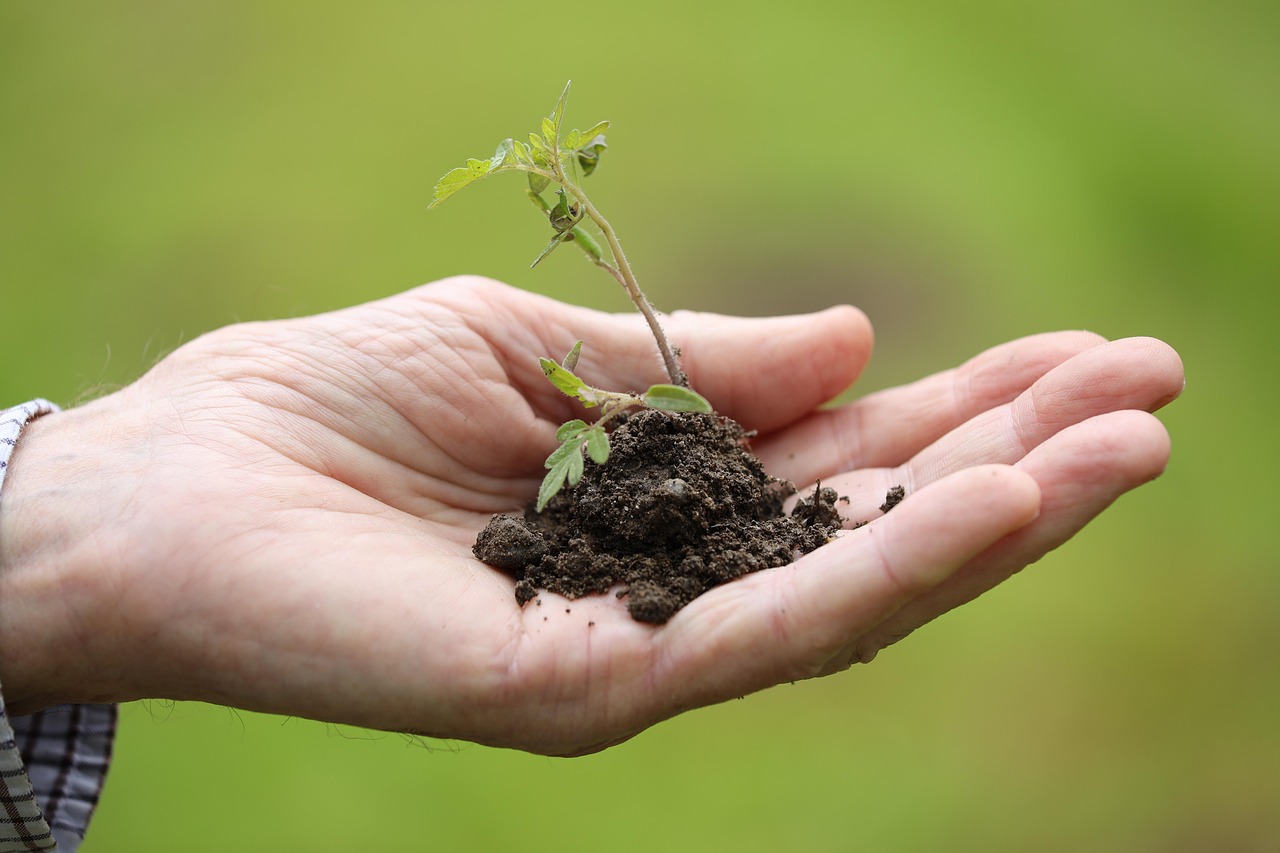
When determining how big of a pot a tomato plant requires, the fundamental rule is that larger varieties need substantial root space to support heavy foliage and fruit production. For standard indeterminate vining tomatoes, a container holding at least five to ten gallons of potting mix, with a diameter of twelve to eighteen inches, is generally required. Compact determinate or dwarf patio varieties can thrive in smaller containers holding three to five gallons.
Selecting the appropriate pot size prevents premature root crowding, minimizes severe moisture fluctuations, and ensures the plant maintains steady access to nutrients throughout the growing season. Inadequate soil volume restricts root systems, leading to stunted growth, blossom end rot, and significantly reduced harvest yields over the summer months.
Container Size Requirements for Different Tomato Varieties
Determinate Versus Indeterminate Growth Habits
Tomato plants exhibit two primary growth habits that dictate their physical dimensions and spatial needs. Determinate types grow to a fixed bush-like height, usually three to four feet, and set all their fruit within a relatively short window.
Indeterminate varieties continue growing, flowering, and producing fruit indefinitely until frost terminates them. Because indeterminate vines develop extensive root systems to sustain months of continuous vertical growth, they demand larger soil volumes than their compact determinate counterparts.
Small Containers for Dwarf and Micro-Tomato Varieties
Dwarf, micro-dwarf, and select determinate patio cultivars are specifically bred for restricted spaces like small balconies, window boxes, and narrow porches. These plants typically remain under two feet in height.
A container holding two to three gallons of potting mix, roughly ten to twelve inches across, provides sufficient root space for these miniature plants. Using oversized pots for tiny varieties offers no advantage and can actually increase the risk of waterlogged soil.
Large Containers for Standard Indeterminate Cultivars
Standard slicing and beefsteak tomatoes require heavy-duty containers that hold a minimum of seven to ten gallons. A half-barrel, a large fabric grow bag, or a deep fifteen-inch plastic pot works well for these vigorous vines.
Providing ample root capacity ensures the plant can absorb enough water during hot summer afternoons when transpiration rates peak. Insufficient pot size for large indeterminate tomatoes results in daily wilting and poor fruit development.
When calculating your container dimensions, understanding the correct depth of pot for tomato plant health is crucial for a strong harvest.
When planting your garden favorites, it helps to learn how to choose the right pot depth for tomatoes to ensure proper root expansion.
Soil Volume, Root Development, and Moisture Retention
Why Restricted Root Space Limits Fruit Production
Roots require physical space to expand, anchor the heavy above-ground canopy, and seek out moisture and minerals. When a tomato root system encounters the rigid boundaries of a small pot, it circles and becomes root-bound.
This root constriction impairs the plant’s overall vigor, reducing its ability to transport water and sugars to developing clusters of fruit. Consequently, overall yields drop sharply compared to plants grown in open ground or large volumes of soil.
Water Holding Capacity in Potted Growing Media
Small pots dry out rapidly under direct sunlight and wind, requiring multiple daily waterings during peak summer conditions. Larger containers hold a greater reserve of moisture, creating a more stable internal environment for delicate root hairs.
Consistent moisture levels are particularly vital for tomatoes, as wild swings between extreme dryness and saturation directly trigger physiological disorders such as cracking fruit and blossom end rot.
Nutrient Leaching and Soil Depletion in Containers
Frequent watering flushes soluble nutrients out of the potting mix through the container drainage holes. Smaller pots exhaust their limited nutrient reserves much faster than larger vessels.
Providing a larger volume of quality potting soil acts as a nutrient buffer, sustaining the plant longer between fertilizer applications and reducing the likelihood of sudden micronutrient deficiencies.
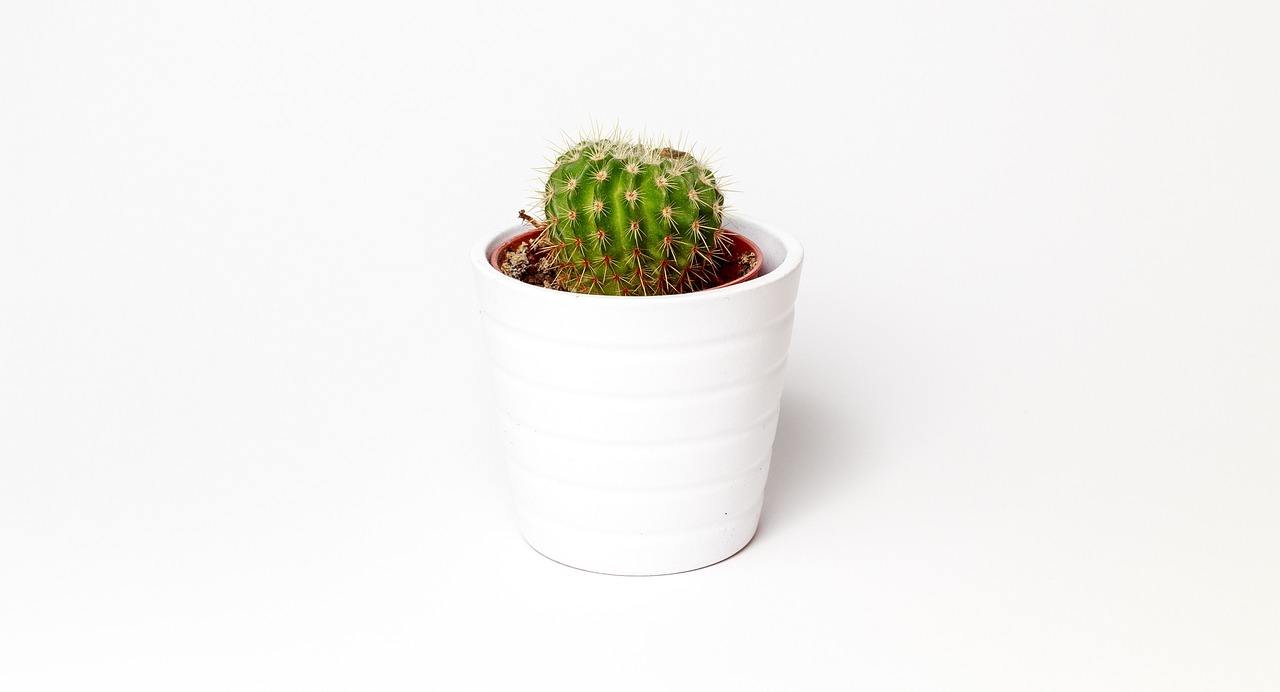
To prevent root rot and maintain healthy moisture levels, always make sure you are selecting a big pot with drainage for your patio vegetables.
Potting Mix Selection and Drainage Essentials
Choosing Soilless Mixes Over Garden Dirt
Never fill tomato containers with dense native garden soil, which compacts easily inside restricted spaces, suffocates roots, and impedes water movement. Instead, use a lightweight, commercial soilless potting mix.
Soilless blends typically consist of peat moss, coco coir, compost, and vermiculite or perlite, providing an ideal balance of structural support, moisture retention, and aeration for container-bound root systems.
Enhancing Aeration with Perlite and Organic Matter
Tomato roots require oxygen to function properly and take up water efficiently. Incorporating coarse perlite, pumice, or aged bark into the potting mix prevents the substrate from packing down too tightly.
Good structural porosity allows excess water to escape freely while maintaining tiny air pockets where oxygen remains accessible to active root tips throughout the growing season.
The Critical Role of Bottom Drainage Holes
Every tomato container must feature multiple unblocked drainage holes at the base. Without adequate drainage, water accumulates at the bottom of the pot, creating anaerobic conditions that invite root rot pathogens.
If using decorative outer pots without holes, place a smaller nursery pot with drainage inside, ensuring water never pools around the base of the root ball.
For smaller determinate varieties, using a standard 30cm plant pot with drainage can provide enough space if managed carefully.
Watering and Fertilizing Container-Grown Tomatoes
Assessing Moisture Levels Below the Surface
Surface soil often dries out quickly while the deeper root zone remains wet, making visual surface checks unreliable. Test moisture by inserting a finger two inches into the potting mix.
Water thoroughly only when the soil feels dry at that depth, ensuring moisture penetrates the entire root mass rather than just wetting the top layer of substrate.
Watering Frequency During Peak Summer Heat
Mid-summer temperatures can cause large container tomatoes to transpire massive quantities of water daily. On exceptionally hot, windy days, large pots may require once or even twice-daily watering sessions.
Always water early in the morning to minimize evaporation loss and allow any accidental foliage wetting to dry quickly under the rising morning sun.
Establishing Consistent Balanced Nutrient Schedules
Because frequent watering washes away soluble minerals, container tomatoes need a regular fertilization regimen. Begin applying a balanced, water-soluble organic fertilizer once plants establish.
Transition to a low-nitrogen, high-phosphorus and potassium formula once flowering and fruit set begin to encourage robust fruit production over excessive green vine growth.
Ongoing Maintenance, Support, and Placement
Staking and Caging Tomatoes in Confined Spaces
Heavy container-grown tomatoes require physical support to prevent them from tipping over in the wind. Install sturdy tomato cages or wooden stakes directly into the pot when planting.
Securing the vines early prevents root damage that can occur if stakes are driven into the pot later after the root system has already filled the container space.
Maximizing Sunlight Exposure on Balconies and Patios
Tomato plants require a minimum of six to eight hours of direct sunlight daily to produce sweet, healthy fruit. Position containers in the brightest available spot on your balcony or patio.
Rotate pots occasionally if light exposure is uneven from one side, ensuring all parts of the foliage canopy receive adequate solar energy for photosynthesis.
Managing Common Foliar Issues in Dense Containers
Crowded balconies with restricted airflow can trap humidity around dense tomato leaves, encouraging fungal spores. Space containers adequately and prune away lower leaves touching the soil surface.
Pruning interior suckers on indeterminate varieties also improves air circulation through the canopy, drying foliage quickly after rain or morning dew events.
Frequently Asked Questions
Can I grow two tomato plants in one large pot?
Growing two tomato plants in a single container is generally discouraged unless the pot is exceptionally massive, such as a large whiskey barrel holding fifteen or more gallons. Even in large containers, competing root systems will fight for water and nutrients, resulting in reduced yields and increased vulnerability to drought stress for both specimens. For optimal fruit production, provide each tomato plant with its own dedicated container of appropriate size.
What happens if a tomato pot is too small?
When a tomato pot is too small, the root system quickly becomes root-bound, circling the interior and running out of space to expand. This restricts the plant’s ability to take up water and nutrients efficiently. Symptoms include stunted vertical growth, daily wilting during warm weather, lower leaves turning yellow, and a sharp decline in overall fruit production. Blossom end rot also occurs more frequently in undersized pots due to erratic moisture swings.
Are fabric grow bags better than plastic pots for tomatoes?
Fabric grow bags offer distinct advantages for container tomatoes by providing superior root aeration and natural root pruning. As roots reach the porous fabric wall, air pruning stops them from circling, encouraging a dense, fibrous root mass instead. Fabric bags also prevent root overheating during intense summer heat waves. However, they dry out significantly faster than plastic pots, requiring more frequent irrigation checks throughout the hot summer months.
How often should I repot a growing tomato plant?
Tomatoes grown from seed or small starter plugs generally require one intermediate potting step before moving into their final permanent container. Transfer a seedling from a small cell into a one-gallon pot, and then into its final five to ten-gallon container once roots fill the intermediate space. Once planted in their final large containers, tomatoes remain there for the entire season and do not need subsequent repotting.
Do container tomatoes need special soil amendments?
Container tomatoes benefit greatly from specific soil amendments mixed into standard soilless potting mix at planting time. Adding slow-release organic fertilizer granules provides a steady baseline of nutrition, while worm castings improve microbial activity and nutrient retention. Incorporating a handful of crushed eggshells or agricultural lime can also supply extra calcium, helping prevent the common physiological disorder known as blossom end rot during fruiting.
Why do my potted tomato leaves turn yellow at the bottom?
Lower leaf yellowing on container tomatoes is frequently caused by natural aging, insufficient nitrogen, or overwatering. As the plant focuses its energy on upper growth and fruit development, older lower leaves often yellow and drop off. However, if yellowing is accompanied by soggy soil, it points to poor drainage and root stress. Trim away dead lower leaves to improve airflow and check your watering habits to maintain even soil moisture.