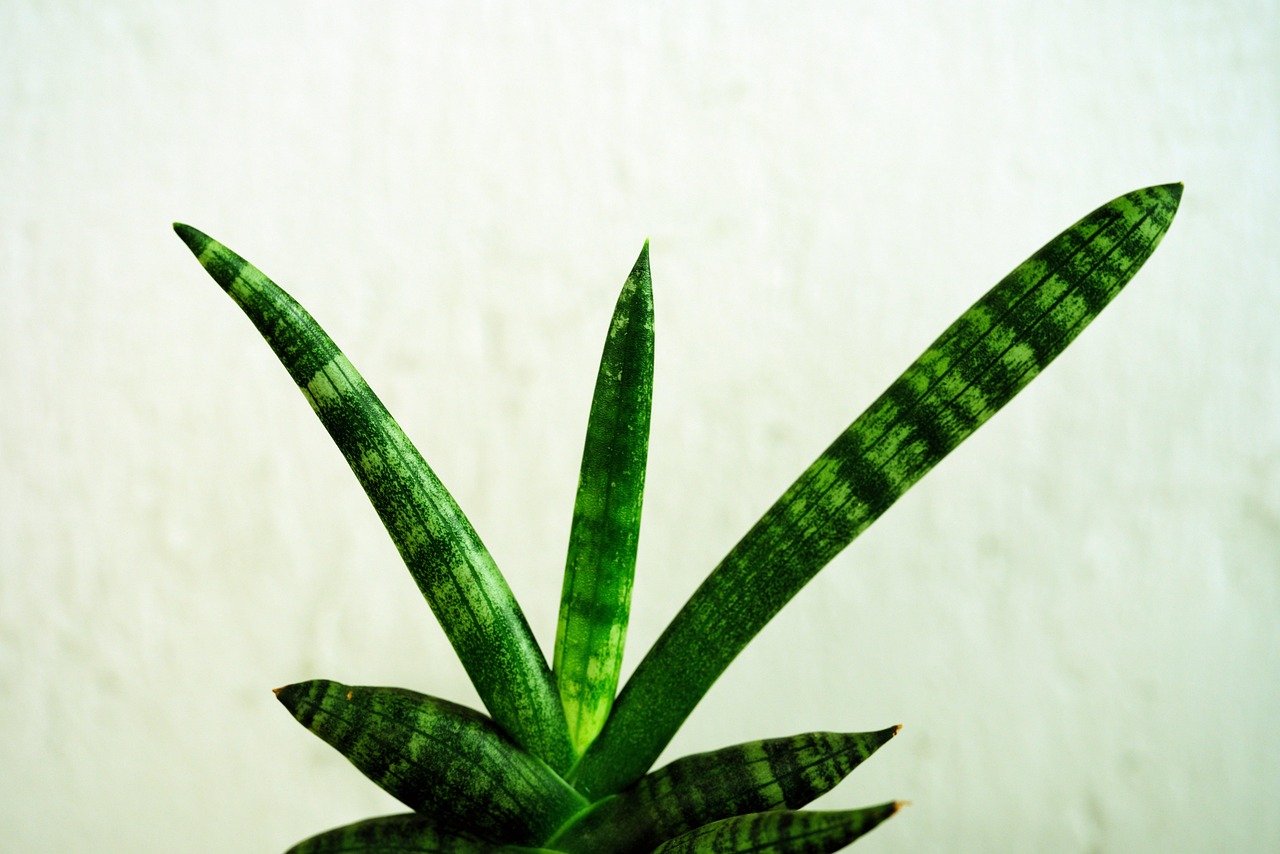
Propagating Dracaena trifasciata, commonly known as the snake plant, allows indoor gardeners to multiply their botanical collection using existing healthy specimens. This resilient succulent foliage plant responds exceptionally well to vegetative propagation methods because its thick, fleshy leaves and underground rhizomes store sufficient energy to generate new root systems and shoots independently without complex laboratory intervention.
Gardeners typically rely on two primary techniques for propagating this resilient species: root division and leaf cuttings. Division involves separating an established root clump into smaller independent plants, which preserves exact cultivar traits like distinct leaf variegation. Leaf cuttings offer a reliable way to generate multiple new plants from a single mature leaf, though this method requires patience and specific environmental controls to succeed.
Successful propagation depends heavily on maintaining appropriate warmth, utilizing well-draining succulent potting mixes, and providing bright indirect light. Overly wet conditions frequently lead to basal rot before roots can form, making moisture management the single most critical variable in determining whether a cutting or division successfully transitions into an independent, thriving potted houseplant in your indoor space.
Division Methods For Mature Plants
Assessing Root Systems Before Dividing
Before attempting plant division, carefully examine the container to ensure the root system has thoroughly filled the pot. Mature snake plants often crack plastic nursery containers or fill decorative ceramic pots entirely when they are ready for separation. Gently slide the root mass out of its container and brush away excess soil to reveal the underlying structural layout.
Look for natural groupings of stems connected by thick underground stems called rhizomes. Identifying these distinct clusters helps determine where to make clean cuts. Healthy roots should always appear firm and pale, while any decayed, bruised, or mushy sections must be trimmed away using sterilized cutting tools to prevent disease transmission.
Separating Rhizomes And Offsets Safely
Once you have exposed the root architecture, locate the connecting points between individual offsets and the main mother plant. Use a sharp, sterile utility knife or pruning shears to slice through the thick rhizome tissue cleanly. Avoid tearing the roots manually, as ragged wounds drastically increase the risk of bacterial or fungal pathogen entry.
Ensure each separated section retains a viable cluster of leaves and an adequate portion of the root system to sustain independent growth. Small offsets that lack sufficient roots can still survive if they include a healthy piece of rhizome, but sections featuring established roots adapt much faster to new potting environments.
Repotting Divisions Into Fresh Substrate
Prepare small pots featuring adequate drainage holes and fill them with a gritty, well-draining potting mix specifically formulated for succulents and cacti. Position each divided section at the exact soil depth it maintained previously in its old container. Planting the rhizomes too deeply can trap excessive moisture against the lower stems and encourage rot.
Press the substrate gently around the base of the plant to stabilize the division without compacting the soil excessively. Refrain from immediate heavy watering if the roots suffered minor cuts during separation. Instead, wait a few days to let wounded areas heal over completely before providing light moisture.
Mature root systems require careful handling to avoid developing dracaena yellow brown leaves following a successful division.
Learning how to propagate haworthia offers similar insights into managing thick, fleshy root structures and offsets during division.
Leaf Cutting Techniques In Soil
Selecting And Cutting Healthy Mature Leaves
Choose firm, healthy, fully mature leaves from an established parent plant for soil propagation projects. Avoid yellowing, damaged, or paper-thin leaves, as they lack the stored energy required to generate new roots successfully. Using a sanitized razor blade, cut the chosen leaf cleanly at the base near the soil line.
You can also divide a long single leaf into multiple horizontal sections measuring several inches in length. Maintaining the correct polarity of each section is essential for success; the end that was closest to the soil must always point downward when planted, or the cutting will inevitably fail to root properly.
Allowing Cuttings To Callus Properly
Freshly cut leaf edges contain high moisture content and open plant cells that remain highly vulnerable to soil pathogens. Place the cut leaves or leaf sections in a warm, dry area completely out of direct sunlight for several days. This allows a protective dry layer, known as a callus, to form over the wound.
Skipping this crucial drying phase drastically increases the likelihood of basal rot once the cutting is placed into moist potting mix. The callused tissue reduces moisture loss and vulnerability at the wound site, which can help improve survival rates during the initial stages of root formation.
Planting Depth And Initial Moisture Management
Insert the callused end of the leaf cutting about an inch deep into a pre-moistened, sandy potting mix. Space multiple cuttings far enough apart to ensure adequate air circulation around each stem. Firm the surrounding substrate gently to anchor the heavy leaf upright against the container walls or supporting stakes.
Keep the soil barely moist but never soggy while waiting for new shoots to emerge from the base. Enclosing the pot in a loose plastic bag can help retain necessary humidity, provided you remove it periodically to air out the container and prevent stagnant moisture buildup that encourages fungal growth.
Gardeners should address environmental stressors promptly if my dracaena is turning yellow during the propagation phase.
Water Propagation For Leaf Cuttings
Preparing And Submerging Leaf Sections
Water propagation offers a visible way to track root development on snake plant leaf cuttings over time. Select healthy foliage, slice it into manageable sections, and let the cut ends callus for a day or two. This brief drying period prevents immediate decay when the plant material enters the liquid environment.
Fill a clean glass jar or narrow vase with room-temperature water. Submerge only the lower third to half of each leaf section, ensuring that upper leaf surfaces remain completely above water. Placing too much foliage underwater rapidly accelerates bacterial decay and ruins the entire cutting before roots can ever start developing.
Monitoring Water Quality And Root Development
Maintain optimal water hygiene by replacing the liquid inside the container every week to prevent algae growth and mineral buildup. Use filtered or dechlorinated water when possible to reduce chemical stress on the developing plant tissues. Rinse the glass container thoroughly during each routine water change procedure.
Watch for tiny white roots to emerge from the submerged callused edges over the course of several weeks. Root formation speeds up when the jar sits in a bright room with warm ambient temperatures, although direct outdoor sunlight should be avoided to prevent overheating the water and cooking the new roots.
Transitioning Water Roots To Potting Soil
Transfer water-grown cuttings into soil once the new roots reach roughly one to two inches in length. Roots grown in water adapt differently than soil roots, making this transitional phase delicate. Plant the rooted cutting carefully into a small pot filled with a well-draining succulent substrate designed for arid species.
Water the newly potted cutting lightly to settle the soil around the fragile root system. Keep the substrate slightly more humid than you would for mature plants during the first couple of weeks, allowing the water-adapted roots to adjust gradually to obtaining moisture from dense soil particles.
Environmental Conditions And Post-Propagation Care
Providing Adequate Light And Ambient Temperature
Newly propagated snake plants require bright, indirect light to fuel cellular growth without scorching fragile new tissues. Position containers near an east-facing window, or another spot that receives gentle indirect illumination throughout the day, avoiding deep shade. Avoid dark corners, as insufficient light severely slows down root and shoot development across all varieties.
Maintain consistent indoor temperatures between seventy and eighty degrees Fahrenheit for optimal growth results. Cold drafts from air conditioners or exterior doors can shock immature root systems, halting progress entirely and increasing susceptibility to secondary moisture-related issues during the critical establishment period.
Avoiding Common Watering Mistakes
Overwatering remains the single greatest hazard for propagating dracaena trifasciata specimens in home environments. Allow the upper portion of the potting mix to dry out between watering sessions to ensure oxygen reaches developing roots; newly rooted cuttings benefit from slightly more consistent — though never soggy — moisture than fully established plants. Test moisture levels deeper in the pot using a wooden skewer before adding any more water to the container.
Err on the side of underwatering rather than keeping the soil constantly saturated. Snake plants store ample water in their thick leaves and rhizomes, meaning mature specimens and established cuttings tolerate drought far better than they tolerate waterlogged, airless, and stagnant soil conditions that cause rapid decay.
Managing Potential Pests And Fungal Issues
Inspect propagation containers regularly for signs of fungus gnats, which thrive in damp organic soil mixes. Letting the top layer of substrate dry out completely between waterings generally discourages these small flying insects. Use yellow sticky traps near the base of the container if an infestation begins to develop indoors.
Fungal stem rot typically manifests as soft, discolored, or foul-smelling plant tissue near the soil line. Discard infected cuttings immediately to protect nearby healthy plants in your collection. Ensure good air circulation around your propagation setup to minimize humidity pockets that encourage fungal spores to germinate on vulnerable plant surfaces.
Careful monitoring of your watering habits will help avoid issues like dracaena leaf tips turning yellow on new growth.
When you are managing your new plants, fixing yellow and brown leaves early prevents broader issues from destroying the root system.
If you notice that my dracaena is turning yellow after repotting, adjust your watering schedule and check the ambient temperature.
Frequently Asked Questions
Why Do Variegated Leaf Cuttings Grow Solid Green?
Variegated cultivars like Laurentii feature distinctive yellow leaf margins maintained by a periclinal chimera — a stable arrangement of genetically distinct cell layers. When you propagate these specific varieties using leaf cuttings in soil or water, the resulting pups typically produce solid green growth rather than retaining the variegated pattern, because adventitious buds arising from leaf tissue tend to originate from cell layers that do not carry the full chimeric arrangement.
This occurs because the genetic chimera responsible for variegation is only preserved through physical root division of the rhizome. If you want new plants to retain their attractive yellow border stripes, you must use the division method rather than propagating individual leaf sections or segments.
How Long Does It Take For Roots To Appear?
Root generation timelines vary considerably depending on ambient indoor temperatures, available light levels, and the specific propagation method you choose to employ. In optimal indoor conditions, water-propagated cuttings may begin showing initial root nubs within a few weeks under warm, bright conditions, while soil propagation can require two months or considerably longer to show visible progress.
New shoot emergence from the soil surface happens even more slowly, occasionally taking several months before visible pups break through the substrate surface. Patience is essential, as this slow growth simply reflects the natural biology of these hardy foliage plants, which are native to tropical West Africa rather than true desert environments.
Is Dracaena Trifasciata Toxic To Household Pets?
Yes, Dracaena trifasciata contains chemical compounds known as saponins, which act as a natural defense mechanism for the plant against herbivores. Ingestion by cats, dogs, or other household pets can lead to adverse clinical symptoms including excessive drooling, nausea, vomiting, and general digestive discomfort.
Place your propagating leaves, cuttings, and newly potted divisions on high shelves, plant stands, or out of reach if you share your living space with curious animals. Consult a veterinarian promptly if you suspect a pet has ingested parts of the foliage during your propagation activities.